About
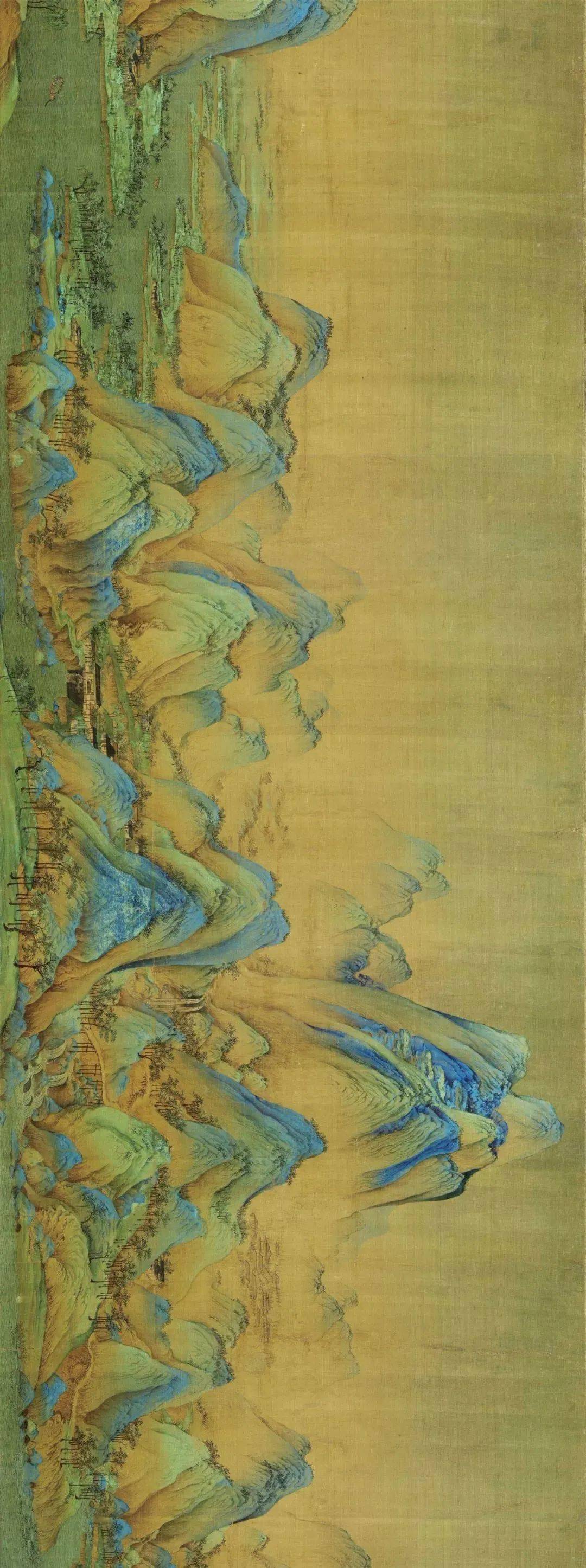
Chinese traditional painting, commonly known as Guohua (国画) or Danqing (丹青), is the quintessential visual art of China, with a continuous heritage spanning thousands of years. Rooted in ancient totem worship, symbolic imagery, and the early practices of Fuxi’s Eight Trigrams and Cangjie’s character creation, it evolved alongside Chinese civilization, integrating philosophy, religion, literature, and craftsmanship to form an independent, profound artistic system.
Broadly, Chinese traditional painting includes scroll painting, mural, New Year painting, woodblock print, fan painting, album leaf, and architectural color painting. In the narrow sense, it refers specifically to ink-and-color painting on rice paper (Xuan paper) or silk, executed with wolf-hair or goat-hair brushes, ink sticks, mineral and plant pigments—tools and materials unique to Chinese art that shape its distinct aesthetic language.
Classified by subject matter, it falls into three core categories: figure painting (renwu hua), depicting human figures, historical stories, and social customs; landscape painting (shanshui hua), capturing mountains, rivers, forests, and natural scenery as expressions of spiritual realm; and flower-and-bird painting (huanniao hua), portraying flowers, birds, insects, and fish to convey emotions and moral meanings. By technique, it is divided into meticulous painting (gongbi), characterized by fine lines, layered colors, and detailed depiction; and freehand brushwork (xieyi), marked by unrestrained strokes, concise ink application, and emphasis on artistic conception. Common mounting forms include vertical/horizontal scrolls, folding screens, albums, and framed panels, combining art with craftsmanship for both appreciation and collection.
The development of Chinese traditional painting mirrors the evolution of Chinese culture. The Xia, Shang, and Zhou dynasties saw painting closely linked to ritual vessels, bronze decorations, and ceremonial art. The Spring and Autumn and Warring States periods witnessed its diversification, with decorative and narrative painting flourishing. From the late Han to Sui dynasties, techniques matured, core painting genres took shape, and early theoretical works laid the foundation for its aesthetic principles.
The Tang and Song dynasties were its golden age. Tang painting excelled in grandeur and realism, with figure painting (e.g., Zhang Xuan’s Court Ladies Preparing Newly Woven Silk, Zhou Fang’s A Lady with a Fan) and landscape painting reaching unprecedented heights. Song painting emphasized refinement and poetic charm, with meticulous flower-and-bird painting and literati landscape painting dominating, integrating poetry, calligraphy, and painting into one.
From the Yuan to Qing dynasties, literati painting (wenren hua) became the mainstream. Scholar-painters prioritized personal expression, ink charm, and artistic conception over realistic depiction, creating works that blended emotion, philosophy, and aesthetics—exemplified by the Yuan Four Masters, Ming’s Tang Bohu and Wen Zhengming, and Qing’s Shitao and Bada Shanren.
In the 20th century, Chinese traditional painting faced both challenges and opportunities. Masters like Xu Beihong, Qi Baishi, and Pan Tianshou integrated Western painting concepts and techniques with traditional ink art, innovating themes and forms while preserving core aesthetics. Today, it continues to evolve, absorbing modern art elements while inheriting ancient traditions, gaining global recognition as a representative of Eastern art.
Chinese traditional painting is not merely a visual art but a carrier of Chinese culture and spirit. It embodies the ancient Chinese philosophy of harmony between man and nature, the aesthetic pursuit of expressing emotion through scenery and conveying meaning through objects, and the literati’s ideal of integrating poetry, calligraphy, painting, and seal carving. As one of the Four Arts (qin, qi, shu, hua), it reflects the unique wisdom and aesthetic taste of the Chinese nation, remaining a timeless treasure in the world art treasury.
Masters
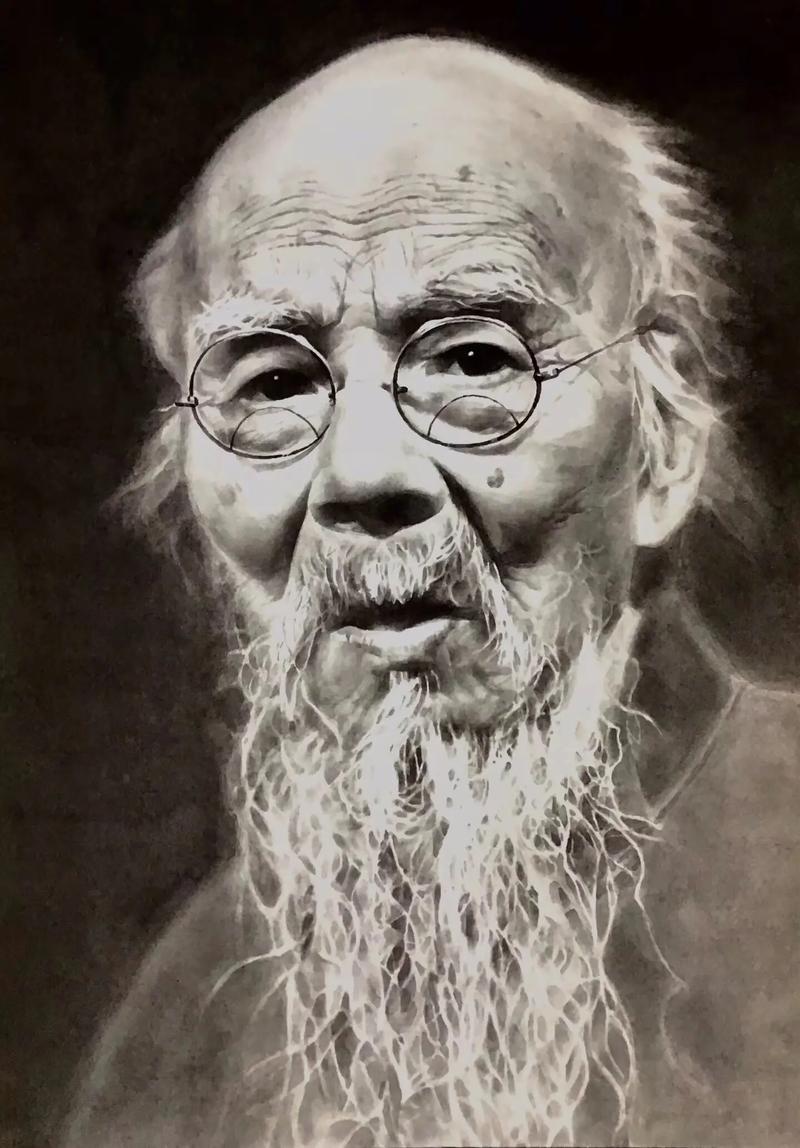
Qi Baishi
Master of Modern Chinese Painting (近现代绘画大师)
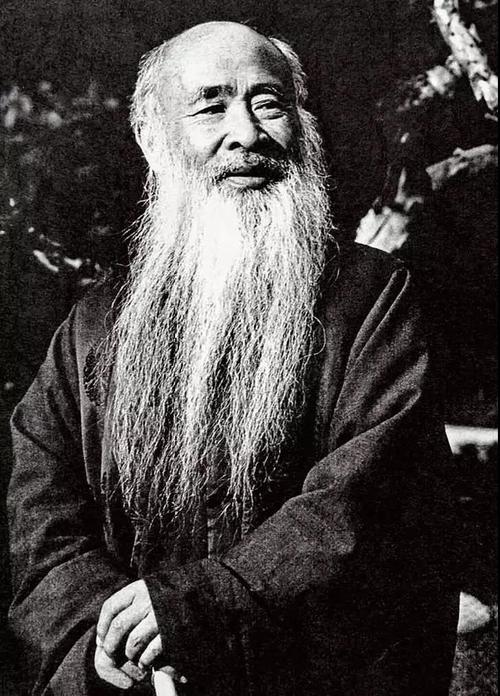
Zhang Daqian
The Greatest Master of Chinese Painting in 500 Years (五百年来第一人)
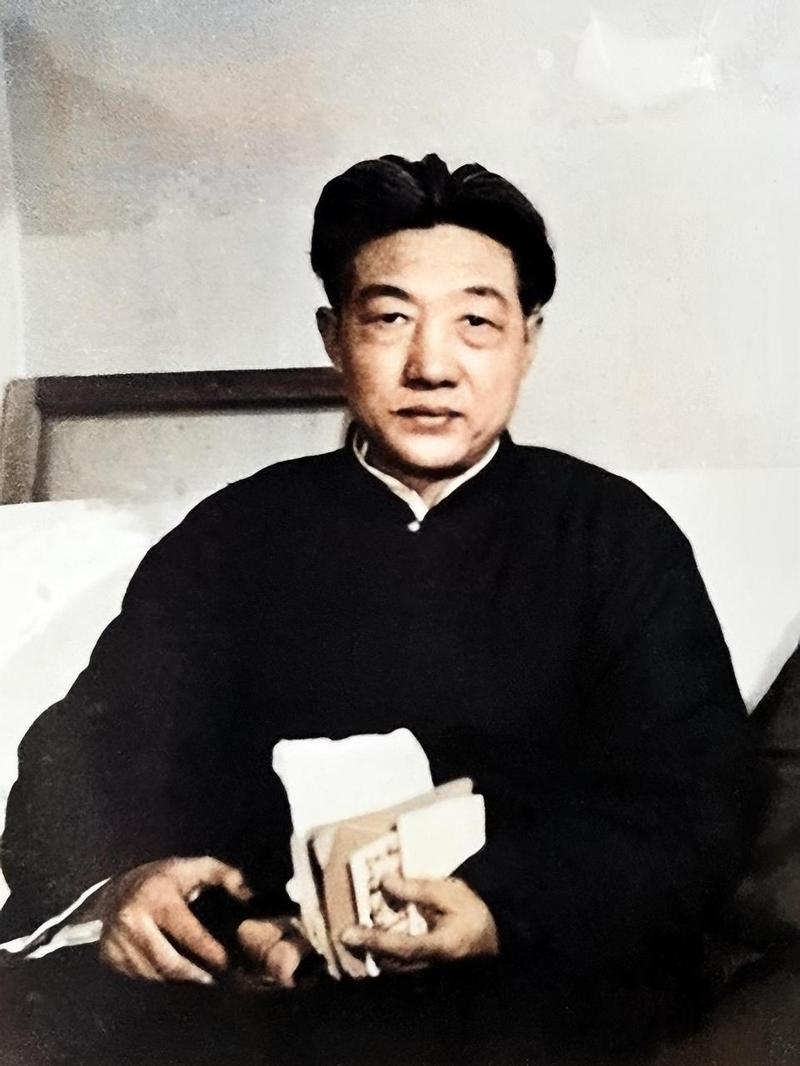
Xu Beihong
Father of Modern Chinese Painting (现代中国画之父)
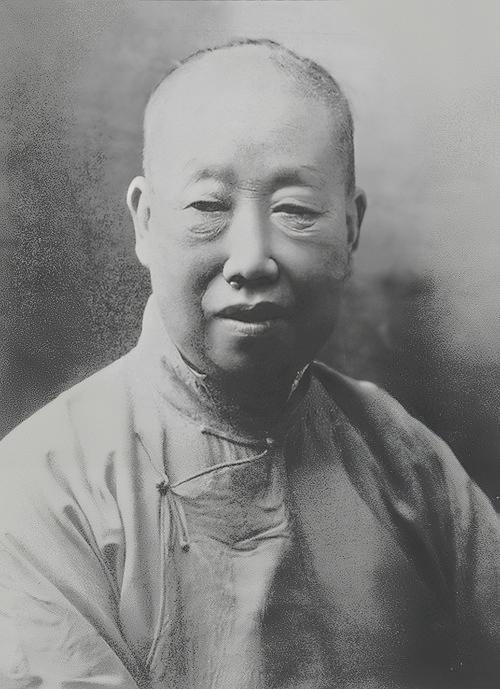
Wu Changshuo
Master of Poetry, Calligraphy, Painting and Seal (诗书画印四绝)
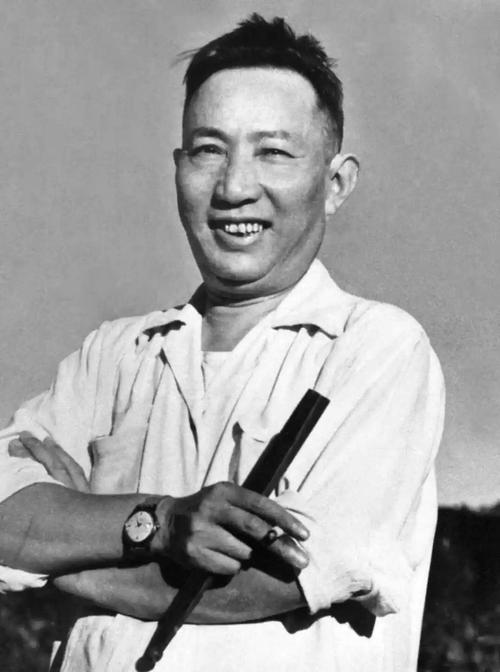
Fu Baoshi
Creator of 'Baoshi Cun' Texture Stroke, Professor at Nanjing Normal University
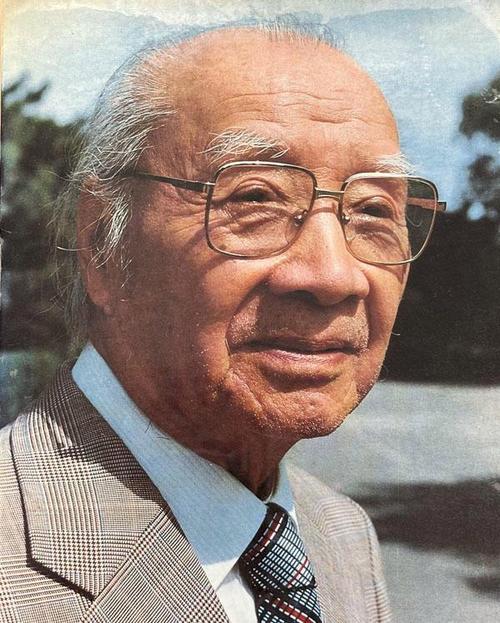
Liu Haisu
Master Painter, Lived to Age 98
Guides
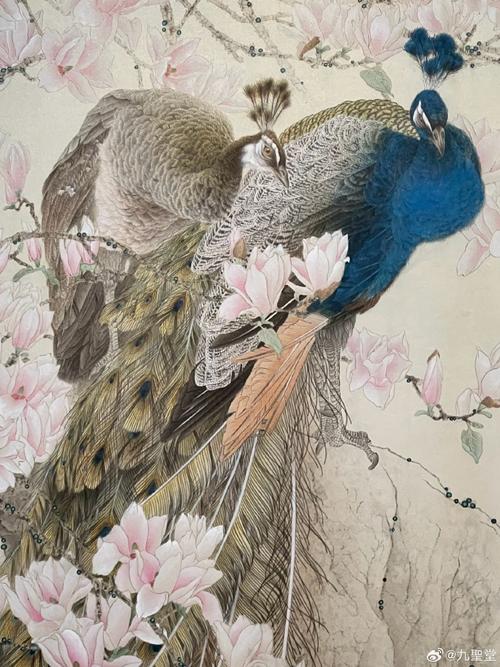
Large Freehand vs Small Freehand: Understanding the Two Faces of Chinese Xieyi Painting
The Spirit of Xieyi Painting Chinese freehand painting (xieyi) represents one of the most distinctive expressions of Eas...
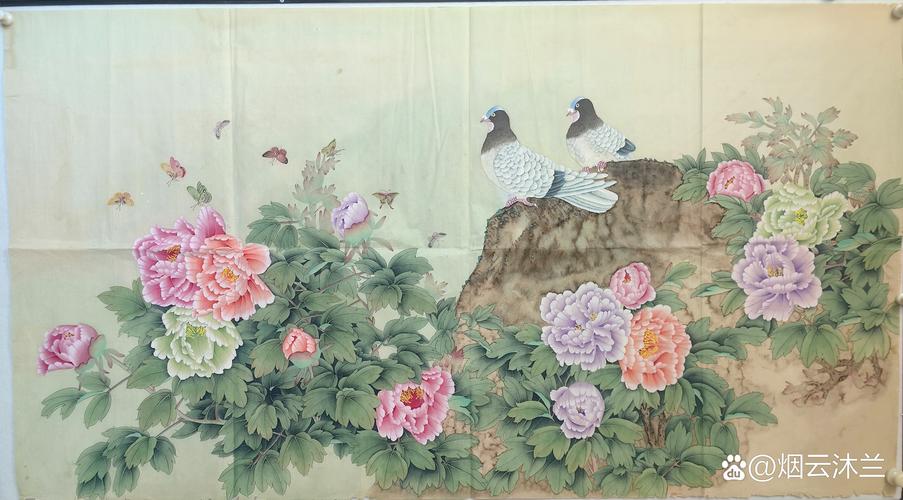
The Art of Inscriptions and Seals: The Hidden Dimension of Chinese Painting
Beyond the Brush: The World of Painting Inscriptions Chinese painting inscriptions open a parallel universe alongside th...
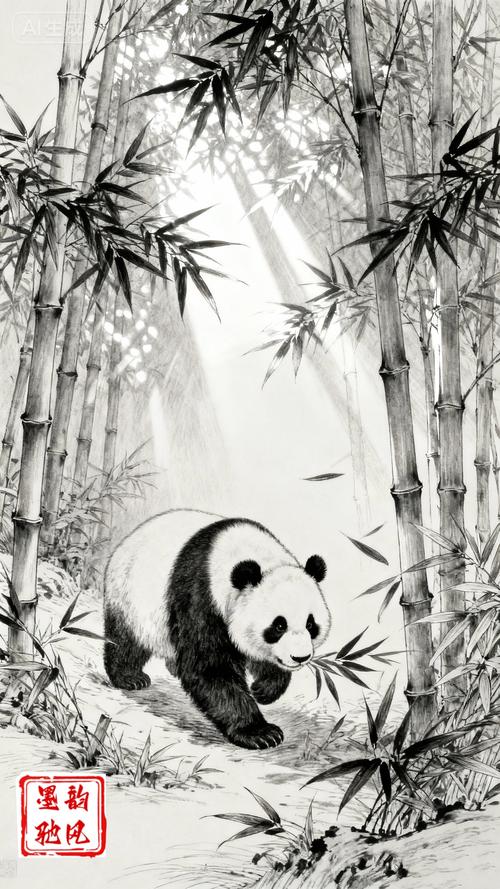
The Southern and Northern Schools: Understanding Chinese Landscape Painting's Great Divide
Origins of the Theory The "Southern and Northern Schools" theory is one of the most influential ideas in the history of...
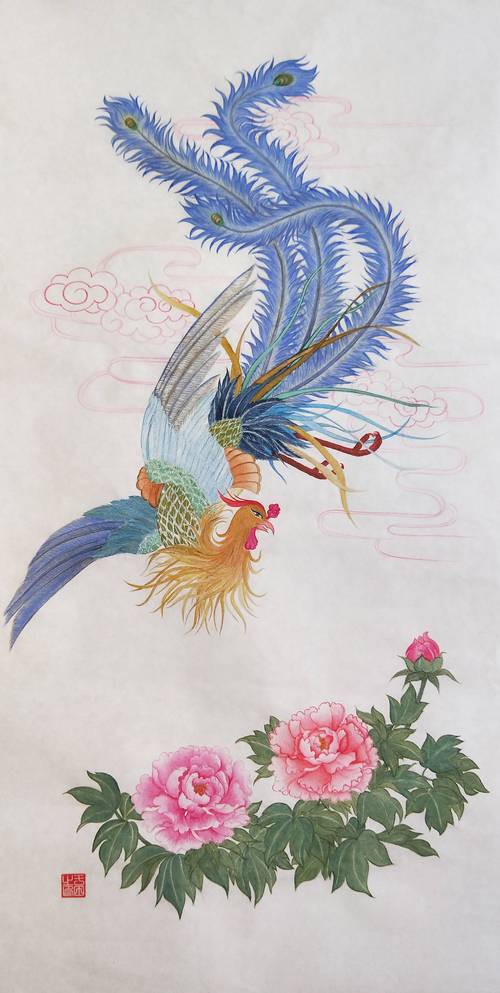
The Complete Guide to 18 Essential Gongbi Painting Techniques
Mastering the Art of Gongbi Through 18 Core Techniques Gongbi heavy-color painting relies on a systematic set of techniq...
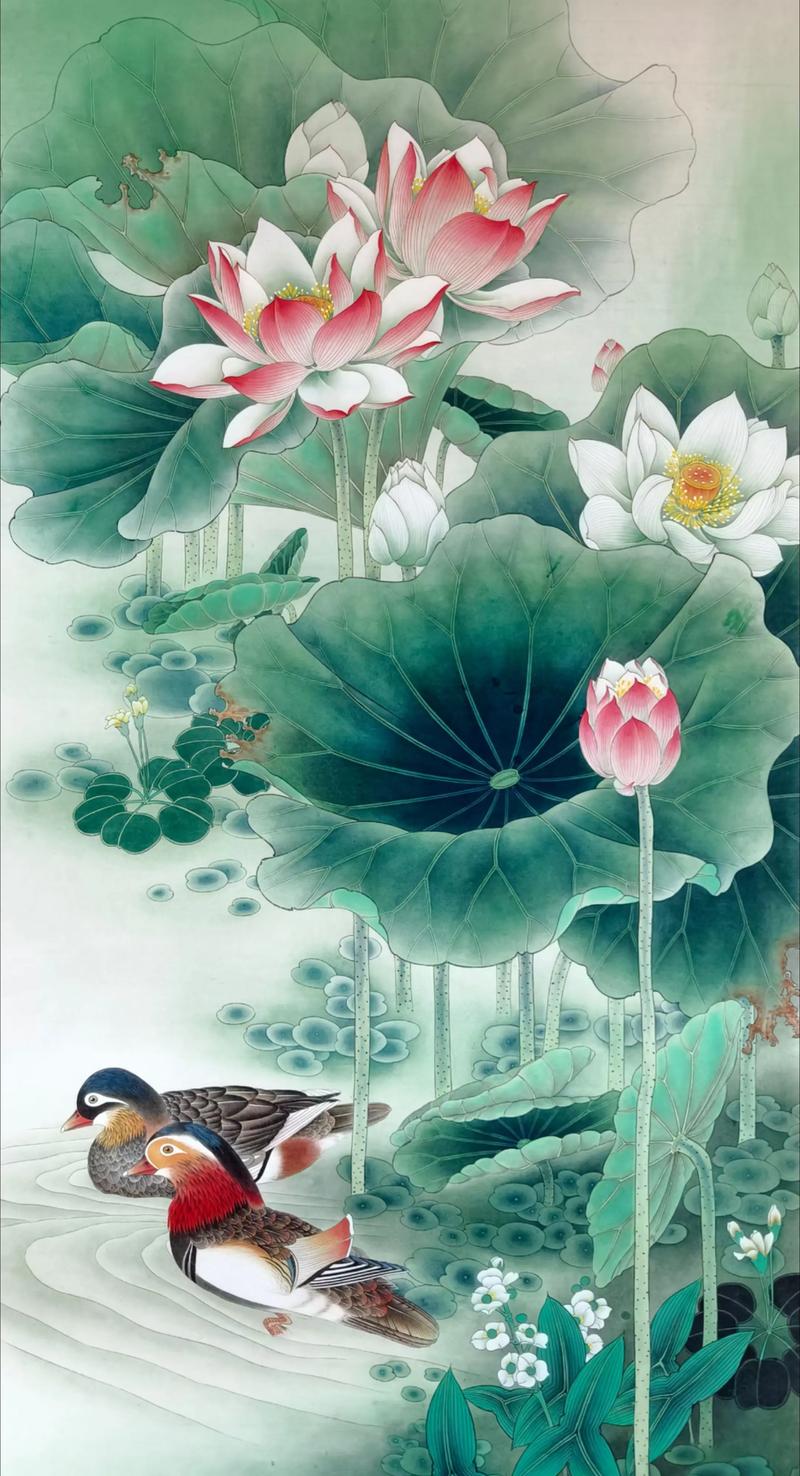
Gongbi Brush Techniques: A Complete Guide to Expressive Line Work
Understanding the Core of Gongbi Brushwork Chinese Gongbi painting captivates with its extraordinary precision and expre...
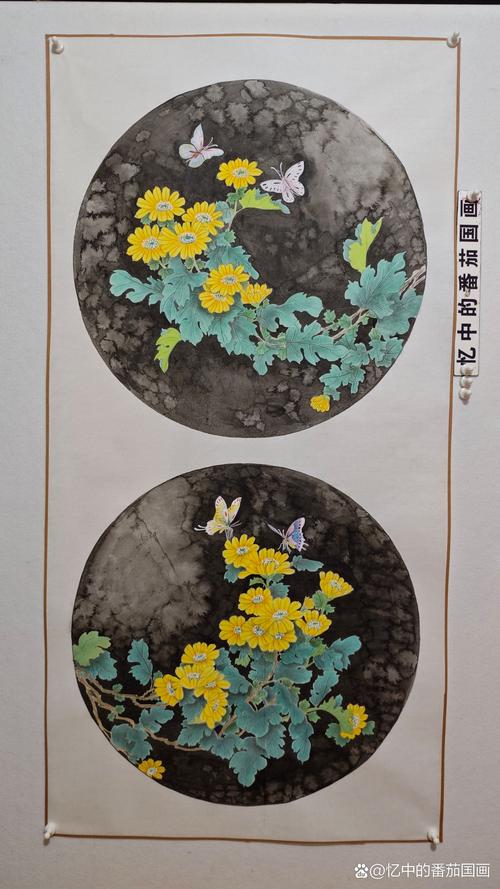
Advanced Gongbi Painting: Mastering Splashing, Kneading, Spraying and Washing
The Four Pillars of Advanced Gongbi Gongbi painting, the meticulous art of Chinese fine-line painting, employs a sophist...
Famous Works
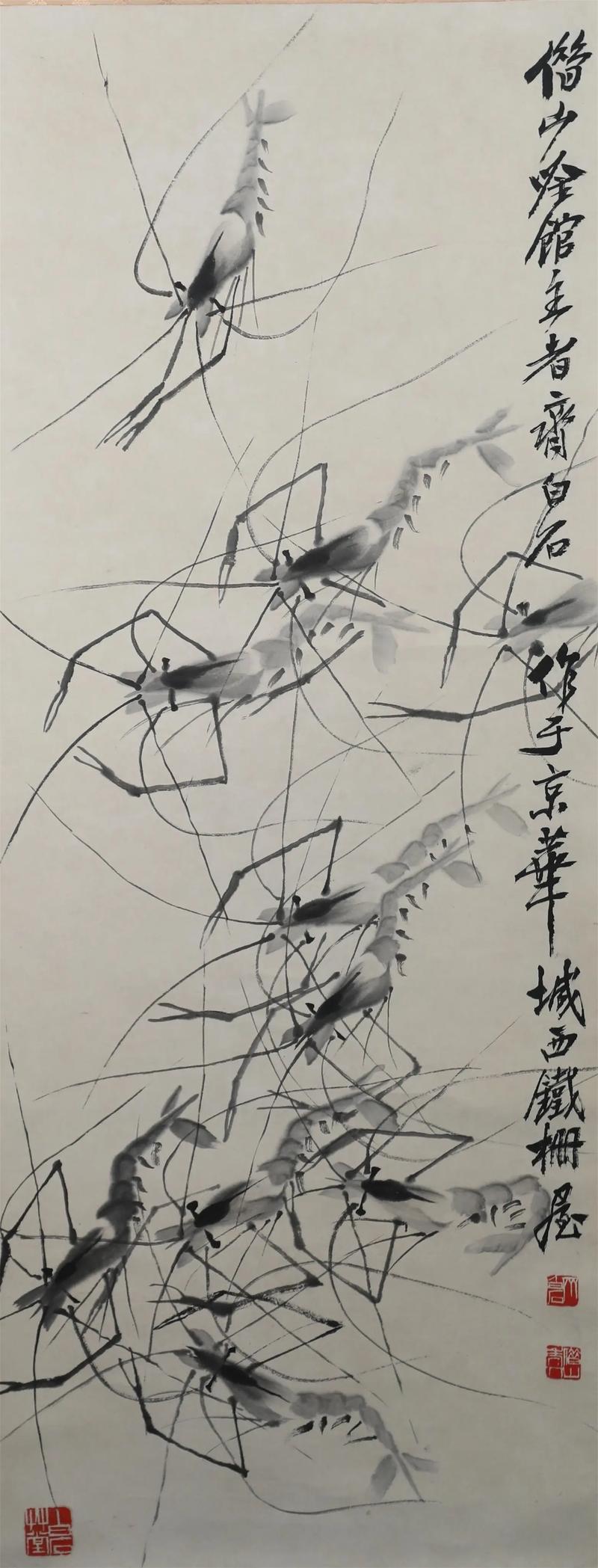
Shrimps
1945
From childhood, Qi Baishi lived by a pond and often amused himself by fishing for shrimp. In his you...
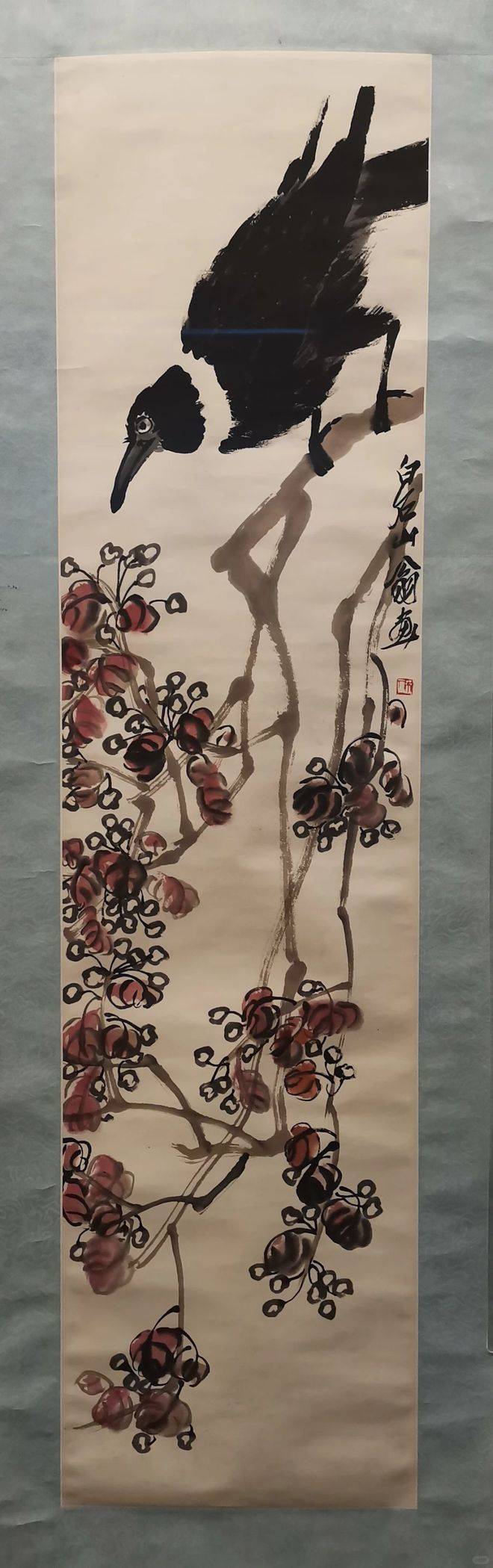
Tallow Tree with White-Necked Crow
Tallow Tree with White-Necked Crow is a masterwork of bird-and-flower painting by Qi Baishi (1864–19...
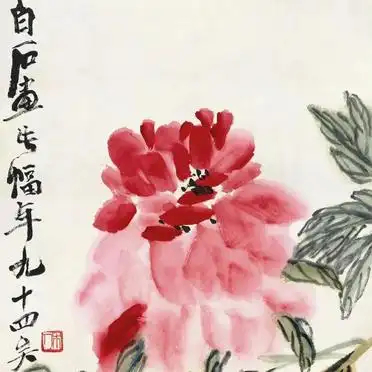
Qi Baishi: Appreciation of the Four Seasons Flavors
Throughout his illustrious career, Qi Baishi (1864-1957) turned his brush to the ever-changing rhyth...