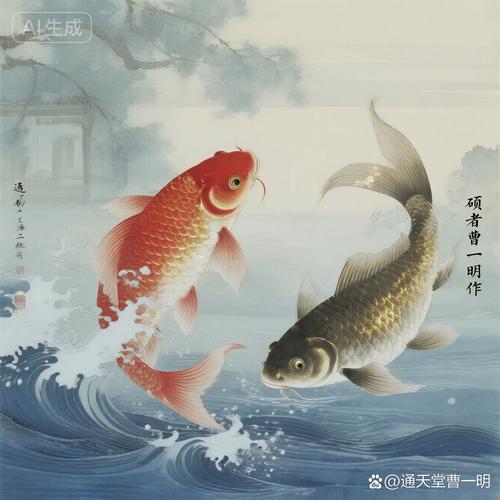
The Four Pillars of Advanced Gongbi
Gongbi painting, the meticulous art of Chinese fine-line painting, employs a sophisticated repertoire of techniques beyond basic brushwork. Four advanced methods — splashing (zhuang), kneading (rou), spraying (pen), and washing (xi) — offer painters powerful tools to create depth, texture and visual drama. This guide explores each technique in detail.
Splashing Techniques (Zhuang)
Splashing is among the most expressive Gongbi methods, encompassing water-splashing, color-splashing, and powder-splashing variants. Water-splashing (also called water-pooling) involves applying ink or color and then, while still wet, dropping clear water onto the surface. The resulting collision creates mottled, organic water marks. To execute: outline the form with fine even lines, apply graded washes of indigo-ink, then introduce drops of water while the wash is damp. After the accidental effects dry, refine with touches of azurite.
Color and Powder Splashing
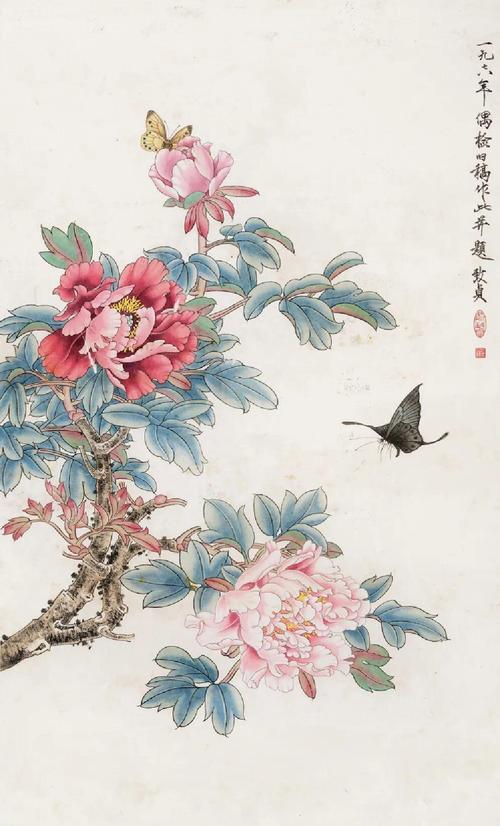
Color-splashing works similarly but uses contrasting pigments — for example, applying rouge-red to leaves and then, while wet, introducing gamboge yellow to create vibrant layered transitions. Powder-splashing substitutes titanium white to enhance gloss and three-dimensionality, especially effective on flower petals. Begin with a base of gamboge-yellow, apply rouge to petal tips, then splash in concentrated white — the result is luminous, lifelike blooms.
Kneading Technique (Rou)
Kneading originated in heavy-color painting and gradually spread to various paper types due to its rich textural possibilities. The process: evenly spray water onto sized (xuan) paper, then fold and knead the damp sheet from multiple directions. For heavier papers, lightly tap to deepen the crease patterns. Once unfolded and flattened, apply a base color wash — the irregular absorption creates a naturally mottled, atmospheric background. This technique is often combined with subsequent detailed rendering, such as depicting pampas grass with burnt sienna over the textured ground.
Spraying Technique (Pen)
Widely used in contemporary Gongbi, spraying creates unified, atmospheric backgrounds and subtle tonal transitions. Artists choose between fine-nozzle sprayers (for delicate mist effects) and coarser spray bottles (for bolder texture). Color-spraying adds pigment to the water before spraying, producing dynamic, flowing backgrounds that enhance the painting's visual appeal.
Washing Technique (Xi)
When structural errors occur — especially in figure painting where inaccurate proportions are painfully obvious — the washing technique provides a remedy. Trim a used outline brush to a flat oval tip, dampen the offending area with clean water, then gently wash away excess pigment in repeated light strokes. For larger areas, spray the entire surface and use a broad brush for uniform washing. This technique not only removes flaws but also enables fine adjustments during the final stages of a painting.