Mastering the Art of Gongbi Through 18 Core Techniques
Gongbi heavy-color painting relies on a systematic set of techniques that collectively define its distinctive aesthetic. From foundational coloring methods to advanced textural effects, these eighteen techniques form the essential toolkit for any serious practitioner of Chinese fine-line painting.
Foundational Coloring Techniques
1. Double Outlining (Shuanggou): The defining feature of Gongbi heavy-color painting, where all forms are constructed through contour line drawing. Every bamboo leaf and stem is delineated along its outer edge, establishing the structural framework before any color is applied.
2. Flat Wash (Pingtu): The uniform application of a single color within defined boundaries, without tonal variation. Bamboo leaves receive an even coat of pale emerald green on the front and light sap-green on the reverse, never exceeding the ink contour lines.
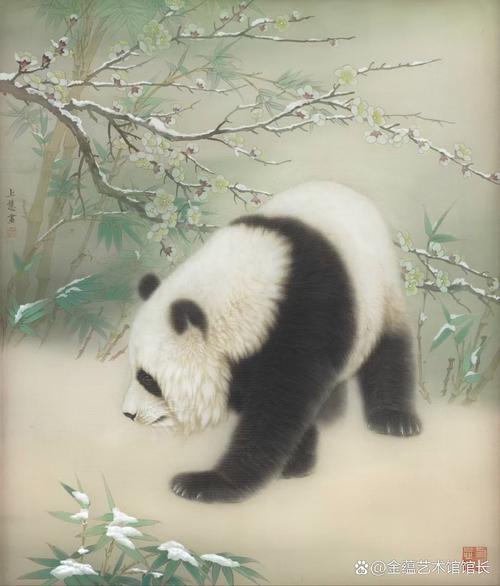
3. Unified Washing (Tongran): When multiple leaves or petals require coherent tonal treatment, a broad wash of light indigo is applied from base to tip, establishing the overall light-dark relationship across the entire area.
Graded and Refined Washing Methods
4. Graded Wash (Fenran): The most critical coloring technique in Gongbi. Using two brushes — one loaded with color, the other with clear water — the artist applies pigment and then gently disperses it with the water brush, creating a seamless gradient from concentrated to diluted. This technique is reserved for small, localized areas requiring precise tonal modeling.
5. Accentuating Wash (Tiran): Toward the end of the graded-wash phase, small areas receive intensified color to brighten highlights or deepen shadows. The base of bamboo leaves, for instance, may be darkened with concentrated indigo-black for greater depth.
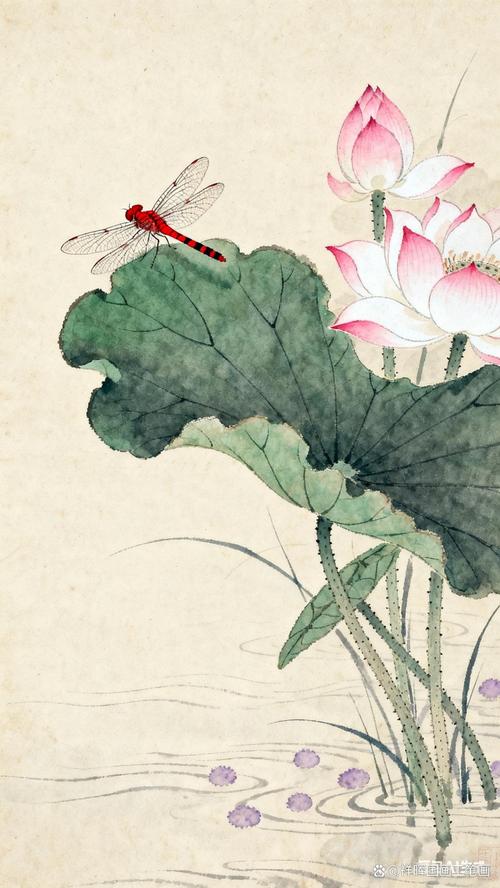
6. Overlay Wash (Zhaoran): A translucent layer of color applied over previously painted areas, with gentle blending at the edges. The final emerald-green surface of bamboo leaves is achieved through this technique.
Refinement and Edge Techniques
7. Reviving Wash (Xingran): After overlay washing can leave the painting feeling dull, a subtle reapplication of darker color in key areas revives the underlying tones and restores visual clarity.
8. Halo Washing (Hongran): A pale color wash applied around the painted object to create a subtle glow and integrate it with the background, preventing isolation of the subject.
9. Re-outlining (Fule): Once all coloring is complete, ink or tinted lines are traced along the edges of forms. A light rouge line along bamboo reverse leaves adds a warm blush and soft, moist quality.
10. Water Line (Shuixian): A reserved bright edge along contours or veins that preserves the ink outline and adds decorative refinement, particularly effective in conveying leaf thickness.
Advanced Textural Effects
11. Mottled Wash (Ziran): A wet-on-wet technique using a relatively dry color brush with slight rubbing, then points of clear water to break up the pigment — ideal for rendering the tattered edges of withered leaves.
12. Spiral Wash (Woran): The water brush rotates around the periphery of a color patch, dispersing it outward evenly — used for the rosy blush on court ladies' cheeks or peony petal bases.
13. Dot-and-Wash (Dianran): A semi-freehand approach where the brush carries graded tones, applied in connected dots and washes for lively, spontaneous effects on backgrounds and small flowers.
14. Joined Wash (Jieran): Using two or more brushes with different colors, the artist blends adjacent pigment areas while still wet, producing seamless tonal transitions ideal for distant lotus leaves.
15. Raised Powder (Lifen): The definitive stamen-dotting technique — a long-tipped brush heavily loaded with gamboge-white pigment is held vertically and gently touched to the surface, leaving a raised dot that creates genuine three-dimensional relief.
16. Color-Explosion (Chongcai): A modern textural method where pigments, clear water, or alum solution are splashed into still-wet base color, producing unpredictable, organic patterns perfect for old tree trunks and rocky slopes.
17. Single-Hair Stroking (Simao): Used for bird plumage, a fine outline brush traces each feather individually, following natural growth patterns with rigorous precision — the foundation of Gongbi bird painting.
18. Flattened-Hair Stroking (Pimao): For medium-sized birds, a stiff brush is flattened into a fan shape and used to paint groups of feathers in sweeping strokes that follow plumage structure.