Straw Art: Beyond the Harvest
Traditionally a byproduct of agriculture, straw is being reimagined by a new generation of Chinese artists. Moving beyond simple baskets and mats, "Straw Art" has evolved into a sophisticated medium for large-scale sculptures and gallery installations that challenge our perceptions of value and material.
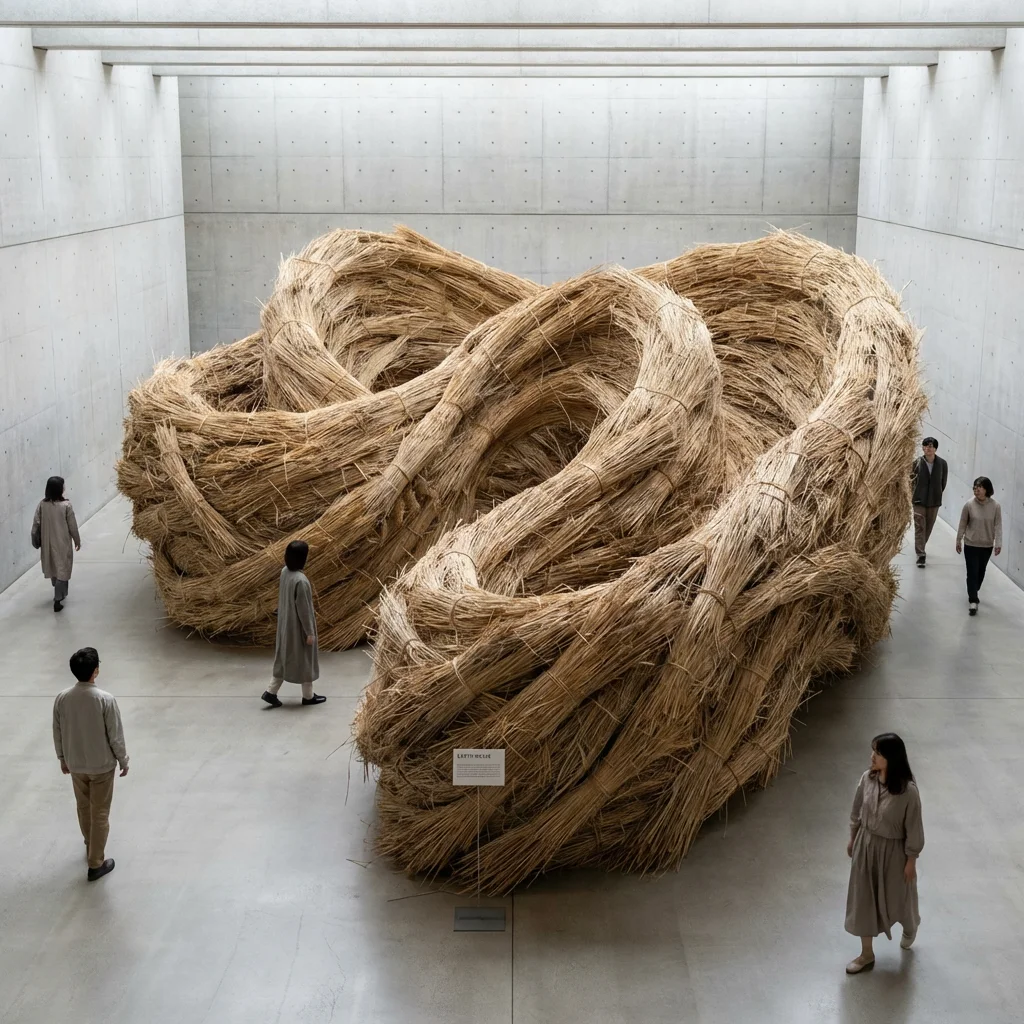
Contemporary Straw Sculpture and Installation
Artists are now using straw to create massive, life-like figures of animals, mythical creatures, and abstract forms. By braiding, binding, and layering thousands of individual stalks, they can achieve a level of detail and movement that is both ethereal and grounding.
Exploring New Fibers and Textures
While wheat straw remains the primary material, contemporary artists are experimenting with wild grasses, raffia, and even recycled agricultural waste. These materials are often chosen for their specific colors and textures, allowing for a rich, multi-sensory experience that connects the viewer to the land.
Straw Art in Galleries and Public Spaces
From rural "Land Art" festivals to urban high-end galleries, straw art is gaining recognition as a serious artistic medium. Its temporary nature reminds us of the cycles of growth and decay, making it a powerful tool for environmental commentary and cultural storytelling.
Frequently Asked Questions
How long do straw sculptures last?
Outdoor sculptures are designed to be temporary, lasting from a few months to a couple of years as they slowly return to the earth. Indoor pieces, kept in a controlled environment, can last for many decades.
Is straw art a fire hazard?
For indoor displays and public installations, straw is often treated with eco-friendly fire retardants to ensure safety while maintaining the material"s natural appearance.
Can I buy straw art for my home?
Yes, many artists create smaller, framed straw "collages" or miniature sculptures that are perfect for home decor, offering a unique piece of nature-inspired art. | 



 Posted an update: