Inscriptions in Bronze: Voices from the Past
The inscriptions found on the interior surfaces of ancient Chinese bronze vessels—known as "Jinwen"—are some of the most important historical documents in human history. They were cast into the metal to ensure that the laws, achievements, and family lineages of the Zhou Dynasty would be remembered forever.
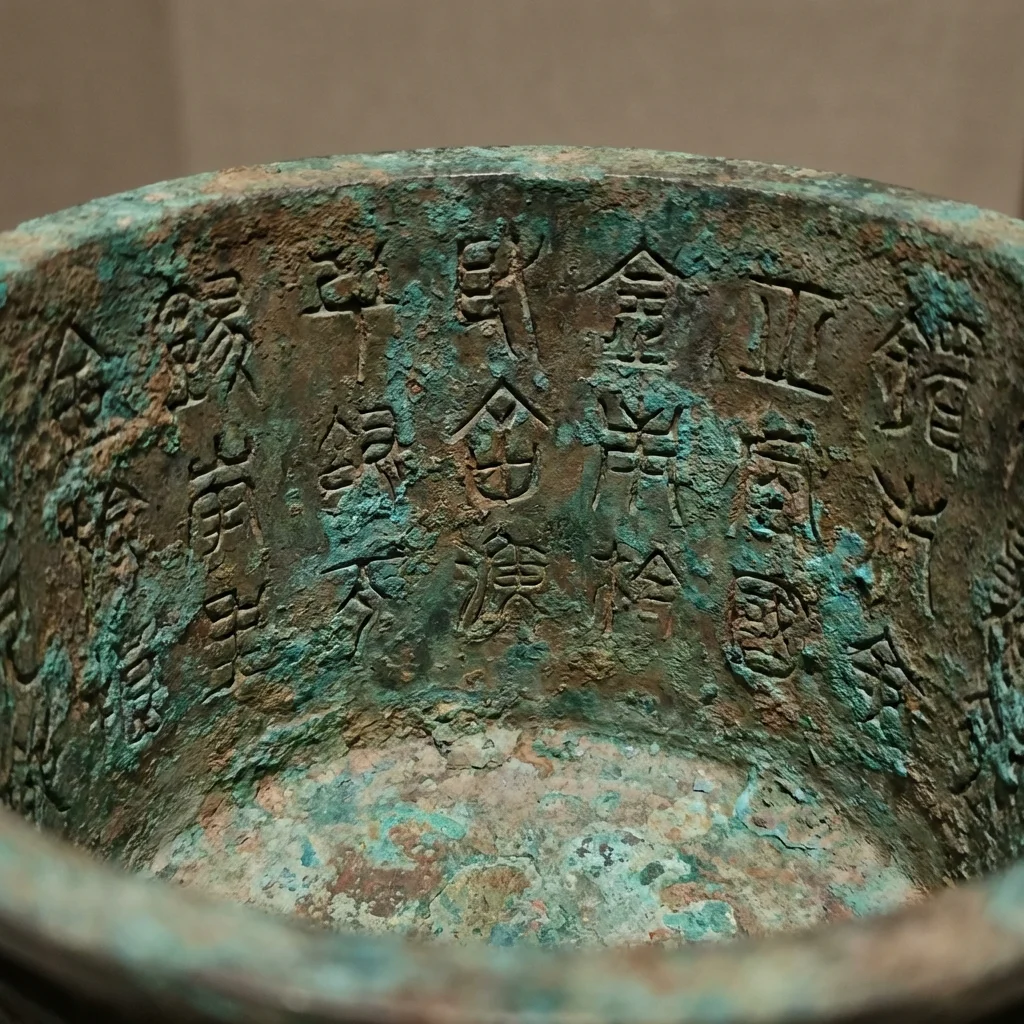
The Evolution of Jinwen Calligraphy
Jinwen represents a crucial stage in the evolution of Chinese writing. Developing from the Oracle Bone Script, it became more rounded and structured as it was adapted for the bronze casting process. These inscriptions are highly valued by calligraphers today for their powerful, archaic energy and their historical authenticity.
What the Bronzes Tell Us: Laws, Rituals, and Deeds
The content of these inscriptions varies from simple names of ancestors to long, complex narratives. Many record the granting of land, the proclamation of new laws, or the details of successful military campaigns. They were intended to be "read" by both the living and the spirits of the ancestors during ritual ceremonies.
Historical Significance for Modern Scholarship
For historians, Jinwen provides a direct, unedited window into the political and social life of ancient China. They often confirm or correct information found in later literary sources, acting as "time capsules" that preserve the actual language and concerns of people who lived over 3,000 years ago.
Frequently Asked Questions
How were the inscriptions made?
The characters were carved into the clay mold in reverse before the molten bronze was poured in. This required the artisans to be masters of both calligraphy and the technical aspects of casting.
Are all bronze vessels inscribed?
No, many functional items were left plain. Inscriptions are typically found on "Ritual Vessels" (Liqi) used by the nobility for important state and family ceremonies.
What is the longest bronze inscription ever found?
The "Mao Gong Ding" from the late Western Zhou Dynasty features the longest known inscription, with nearly 500 characters detailing a royal decree and the history of the Mao family. | 



 Posted an update: