The Ethereal Art of Filigree Inlay
Filigree Inlay, known as "Huasi Xiangqian" in Chinese, is one of the most sophisticated jewelry-making techniques in the world. It involves twisting extremely thin gold or silver wires into delicate patterns and then inlaying them with precious gemstones like jade, pearls, and rubies.
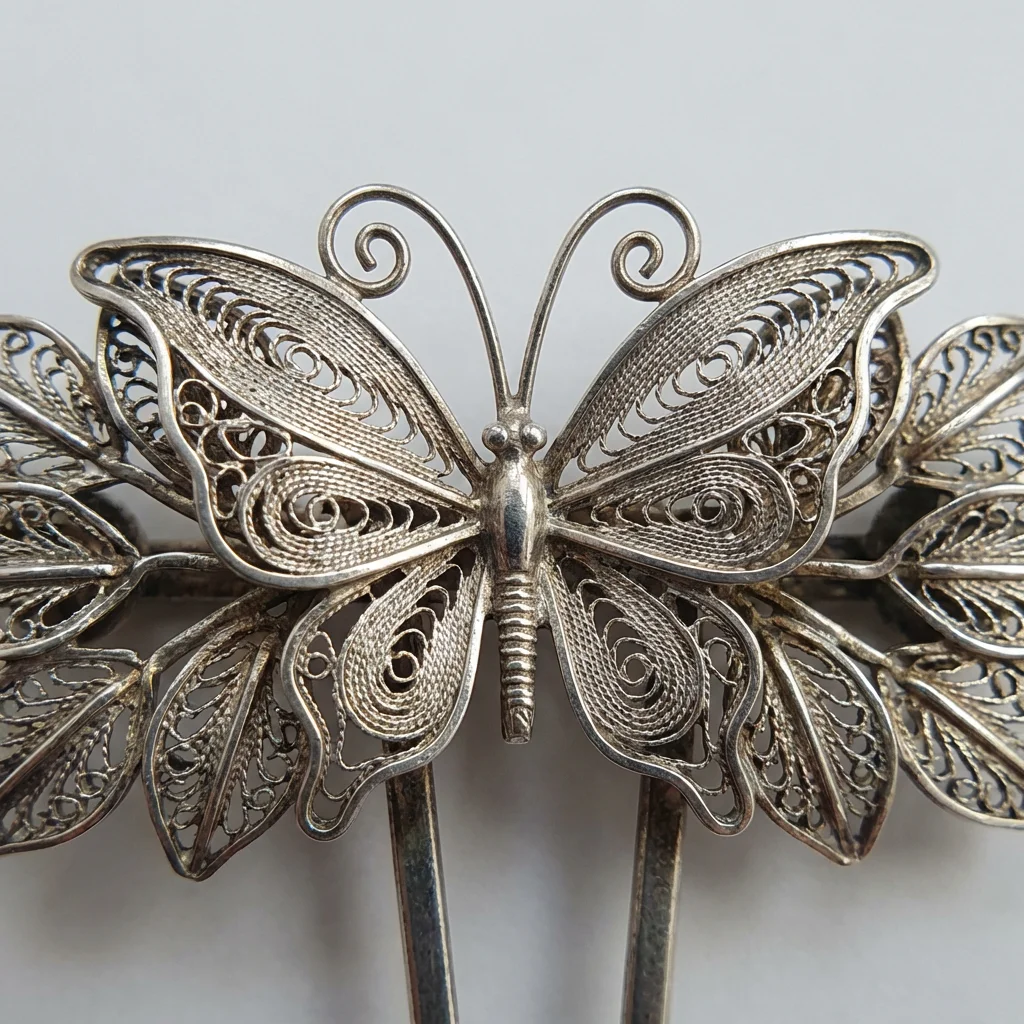
The Eight Processes of Gold and Silver
The craft is traditionally divided into eight major processes: nipping, braiding, joining, gathering, filling, jointing, piling, and weaving. The resulting pieces are so fine and intricate that they look like metallic lace, combining structural strength with a light, airy aesthetic.
Imperial Jewelry of the Ming and Qing
Filigree inlay was historically reserved for the imperial family. The most famous example is the "Gold Filigree Crown" of the Wanli Emperor of the Ming Dynasty, which is made from 518 gossamer-thin gold wires and weighs only 826 grams, yet features a complex dragon motif.
Filigree Inlay in Contemporary Luxury
Modern Chinese designers are reviving filigree inlay by creating elegant, wearable pieces that blend traditional motifs with modern silhouettes. This ancient craft is now finding its place in global luxury markets as a pinnacle of handcrafted excellence.
Frequently Asked Questions
Is filigree jewelry durable?
While it looks delicate, filigree jewelry is surprisingly strong because the wires are soldered together at multiple points. However, it should be handled with care and stored separately to avoid tangling or bending.
What is the difference between filigree and casting?
Casting involves pouring molten metal into a mold, while filigree is built entirely by hand from wires. Filigree is much lighter and allows for a level of detail that casting cannot achieve.
Why is it called "Filigree Inlay"?
The "Huasi" (Filigree) part refers to the wirework, while "Xiangqian" (Inlay) refers to the setting of precious stones within the wire structure. | 



 Posted an update: