The Ancient Rhythm of Ikat Weaving
Ikat weaving is an ancient technique found in various cultures across the Silk Road. In China, particularly among ethnic minority groups in the southwest, Ikat has been used for centuries to create vibrant, complex fabrics that are as much a form of storytelling as they are a functional material.
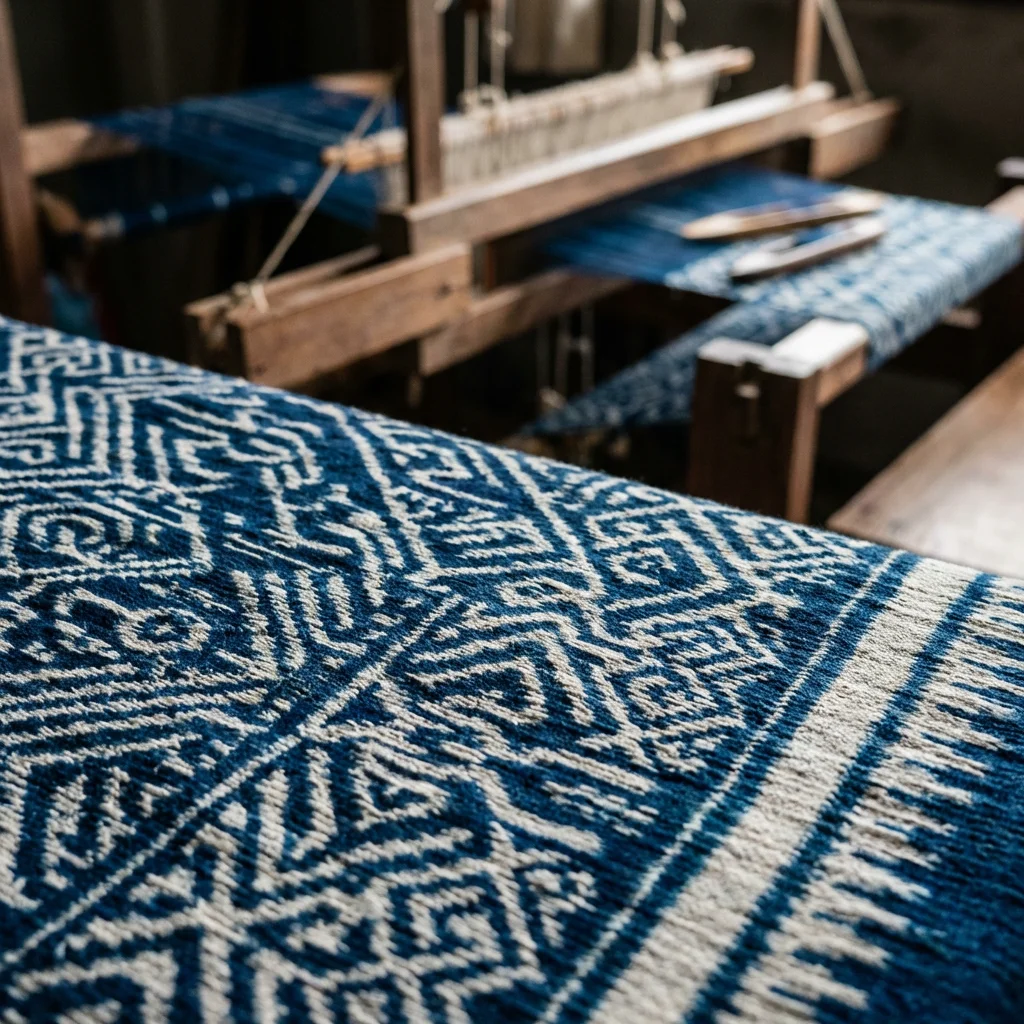
The Art of Resist Dyeing
Unlike most printed or dyed fabrics, Ikat creates patterns by binding and dyeing the individual threads *before* they are woven on the loom. This requires incredible precision and foresight, as the weaver must know exactly where each color should be on each thread to create the final image once woven.
Geometric Motifs and Cultural Identity
The patterns in traditional Chinese Ikat often feature geometric shapes, stylized flowers, and symbols of protection. Each village or ethnic group often has its own signature motifs, making the fabric a powerful marker of cultural identity and heritage.
Traditional Weaving in Modern Textiles
In recent years, traditional Ikat techniques have been adopted by modern designers who value the fabric"s unique "blurred" edge (known as "nebula" or "cloud" patterns). This organic, hand-crafted aesthetic is a perfect antidote to the uniformity of mass-produced modern textiles.
Frequently Asked Questions
Why do Ikat patterns look slightly blurred?
The characteristic "blurriness" occurs because the threads are dyed before weaving, and slight shifts during the weaving process create a rhythmic, painterly transition between colors. This is a hallmark of authentic, hand-woven Ikat.
How can I tell hand-woven Ikat from a print?
In authentic Ikat, the pattern will be visible on both sides of the fabric, and you will see the subtle, irregular variations in color that only come from manual resist dyeing.
Is Ikat weaving still done by hand?
While industrial versions exist, true artisan Ikat is still produced by hand in rural workshops, preserving techniques that have been passed down through generations of weavers. | 



 Posted an update: