Cloisonne: The Brilliance of Jingtai Blue
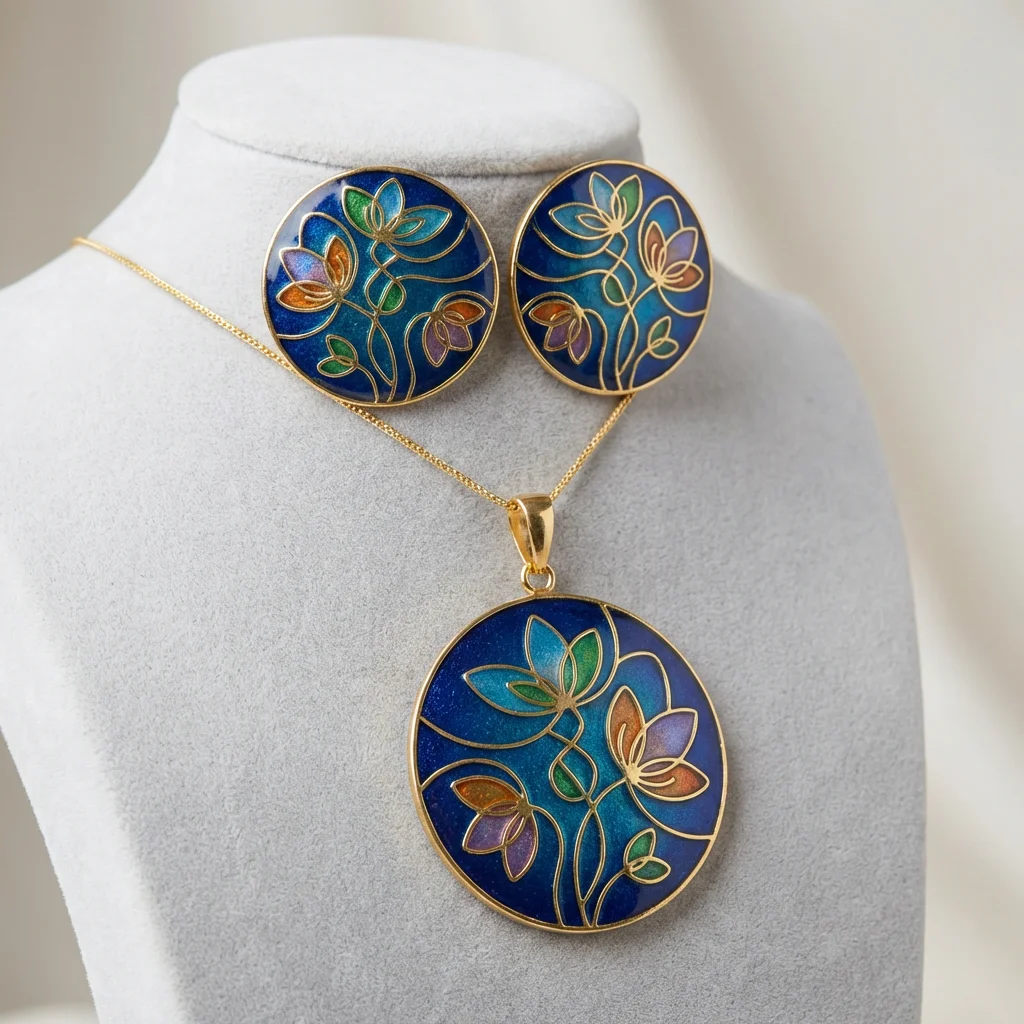
Cloisonne, known in Chinese as "Jingtailan," is a unique art form that combines metalwork, glasswork, and jewelry. It involves soldering thin copper wires onto a metal base to create intricate patterns, which are then filled with colored enamels and fired in a kiln.
The Ten-Step Craftsmanship
The creation of a cloisonne piece is incredibly complex, involving over ten major steps. These include body making, wire soldering, enamel filling (often repeated several times), firing, polishing, and finally gold plating. The most iconic color is the deep "Jingtai Blue," a cobalt-rich enamel that became popular during the Ming Dynasty.
Royal Roots and Imperial Patronage
Cloisonne was historically an imperial art, used exclusively for the decoration of palaces and ritual objects. During the Ming Dynasty under the reign of Emperor Jingtai, the craft reached its zenith, which is why the name "Jingtailan" (Jingtai Blue) is still used today.
Modern Cloisonne as Luxury Decor
Today, cloisonne has expanded from large vases to delicate jewelry, watches, and modern home decor. While the techniques remain traditional, contemporary designs often feature minimalist patterns and unconventional color palettes to suit modern tastes.
Frequently Asked Questions
Why is cloisonne so heavy?
Cloisonne has a solid copper or bronze base, and the multiple layers of glass-like enamel and gold plating add significant weight, which is a sign of high quality and durability.
Is cloisonne fragile?
The enamel surface is like glass and can chip if dropped or struck with force. However, it is resistant to fading and can maintain its vibrant colors for hundreds of years if handled with care.
How can I distinguish high-quality cloisonne?
Look for very thin and even copper wires, a smooth surface with no bubbles or pits in the enamel, and vibrant, saturated colors. Gold plating should be bright and uniform. | 



 Posted an update: