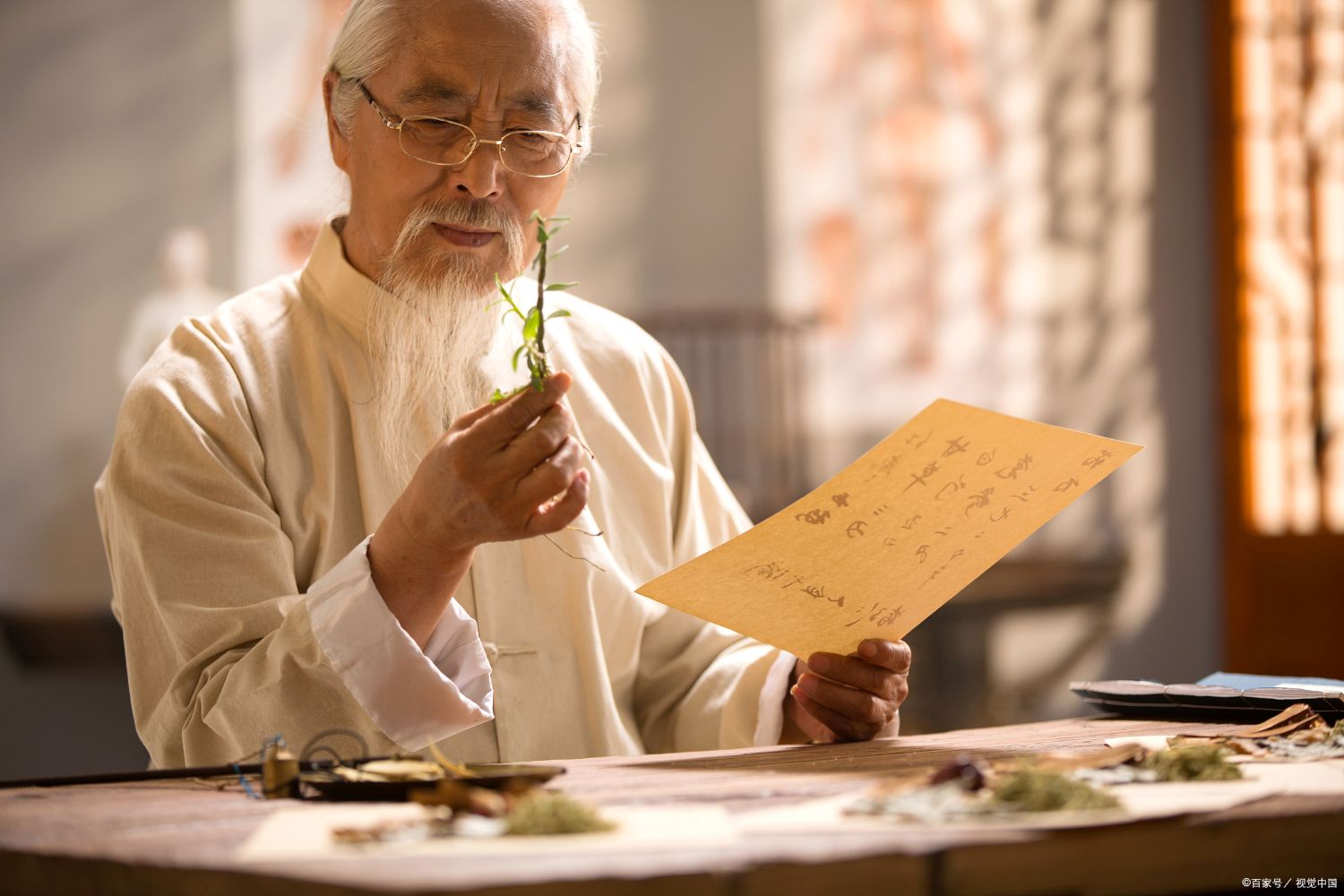
About
Traditional Chinese Medicine (TCM) is a comprehensive, ancient medical system originating in China, with a continuous history of more than 5,000 years. It is not only a healing practice but also a profound system of philosophy, lifestyle, health preservation, and cultural wisdom, deeply rooted in Chinese traditional culture, philosophy, and natural science. TCM was inscribed on the UNESCO Intangible Cultural Heritage List and is widely practiced worldwide as a core representative of Eastern medicine and holistic health.
Origin & Long History
TCM evolved alongside Chinese civilization, integrating ancient people’s experience in fighting diseases, observing nature, and pursuing longevity.
- Ancient Myth & Early Practice (c. 2700 BCE): Legend links TCM’s origin to Shennong, who tasted hundreds of herbs to identify medicinal properties, laying the foundation for herbal medicine.
- Yellow Emperor’s Canon of Internal Medicine (c. 200 BCE): The foundational text of TCM, systematically establishing core theories (Yin-Yang, Five Elements, Qi, Blood, Body Fluids, Zang-Fu Organs, Meridians), marking TCM’s theoretical maturity.
- Han & Tang Dynasties: TCM flourished. Zhang Zhongjing wrote Treatise on Cold Damage, establishing clinical diagnosis and treatment principles; Hua Tuo pioneered surgical anesthesia; Tang’s Tang Materia Medica standardized herbal medicine.
- Song & Ming Dynasties: TCM specialized into internal medicine, surgery, gynecology, pediatrics, acupuncture, etc. Li Shizhen’s Compendium of Materia Medica recorded 1,892 herbs, becoming a global medical classic.
- Modern Era: TCM integrates modern science, coexists with Western medicine in China, and spreads globally as a natural, holistic therapy.
Core Philosophical & Theoretical Foundation
TCM’s core philosophy is holism and Yin-Yang balance, viewing the human body as an integrated whole connected to nature and the universe.
1. Yin-Yang Theory
The fundamental law of nature. Yin = cold, dark, quiet, internal; Yang = warm, bright, active, external. Health = Yin-Yang balance; disease = imbalance.
2. Five Elements Theory
Five basic substances (Wood, Fire, Earth, Metal, Water) correspond to human organs, emotions, seasons, and tastes. Emphasizes intergeneration, interrestraint between elements, guiding diagnosis and treatment.
3. Qi, Blood & Body Fluids
- Qi: Vital energy, flows through the body, maintains life activities.
- Blood: Nourishes organs and tissues.
- Body Fluids: Moisturizes and lubricates the body. Health depends on sufficient, smooth circulation of Qi, Blood, Body Fluids.
4. Zang-Fu Organs Theory
Core organs: Five Zang (Heart, Liver, Spleen, Lung, Kidney); hollow organs: Six Fu (Small Intestine, Large Intestine, Gallbladder, Stomach, Bladder, Triple Energizer). Organs are interconnected, governing physical and mental functions.
5. Meridian System
12 Main Meridians + 8 Extraordinary Vessels form an energy network, connecting organs, limbs, and skin. Acupuncture points lie on meridians; stimulating them regulates Qi and Blood.
Diagnostic Methods: Four Examinations
TCM diagnoses diseases through holistic observation, not just symptoms.
- Inspection (Wang): Observe appearance, tongue, face, eyes, skin, nails.
- Listening & Smelling (Wen): Listen to voice, breathing; smell body odor, breath.
- Inquiry (Wen): Ask about symptoms, medical history, lifestyle, emotions, diet, sleep.
- Pulse-Taking & Palpation (Qie): Feel radial pulse (28 pulse types); press abdomen, limbs, acupuncture points.
Core Therapeutic Methods
TCM treats diseases by regulating balance, not suppressing symptoms.
1. Herbal Medicine
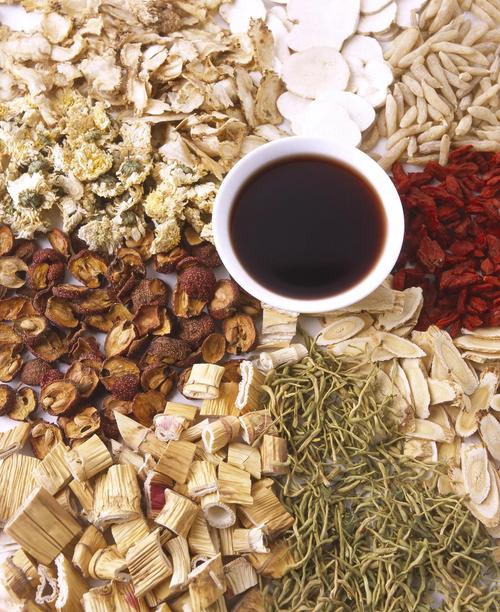
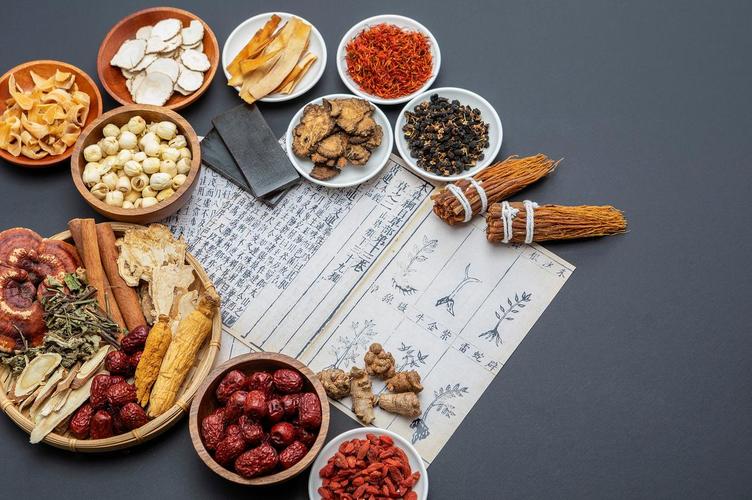
The most common therapy. Uses natural herbs, minerals, animal products; prescriptions are personalized. Forms: decoction, pill, powder, ointment, tincture. Famous herbs: ginseng, astragalus, wolfberry, angelica, licorice, cinnamon.
2. Acupuncture & Moxibustion
- Acupuncture: Insert thin needles into acupuncture points to regulate Qi, Blood, and meridians. Treats pain, stress, insomnia, digestive issues.
- Moxibustion: Burn mugwort near points to warm meridians, dispel cold, nourish Qi.
3. Tuina (Chinese Massage)
Manual massage, kneading, pressing, rolling techniques. Relieves muscle pain, improves circulation, regulates organs, suitable for adults and children.
4. Cupping Therapy
Place heated cups on skin to create suction. Relieves muscle tension, dispels dampness, promotes blood flow.
5. Scraping (Gua Sha)
Scrape skin with smooth tools. Promotes blood circulation, releases toxins, relieves fatigue.
6. Dietary Therapy
Food as medicine: Adjust diet according to constitution and seasons. E.g., warm foods for cold constitution, light foods for damp constitution.
7. Lifestyle & Mental Cultivation
Emphasizes emotional balance (seven emotions: joy, anger, sorrow, worry, anxiety, fear, shock), regular sleep, moderate exercise, and harmony with nature.
Health & Wellness Values
TCM focuses on preventive medicine (treating undiseased)—prioritize health maintenance over curing illness.
- Prevent disease: Strengthen immunity, balance constitution.
- Treat chronic issues: Effective for insomnia, fatigue, digestive disorders, joint pain, stress, sub-health.
- Natural & safe: Uses natural substances, fewer side effects.
- Holistic care: Treats body, mind, and spirit together.
Modern Integration & Global Influence
- China: TCM and Western medicine are integrated in hospitals, covering prevention, treatment, and rehabilitation.
- Global spread: TCM clinics, acupuncture centers, and herbal stores exist worldwide.
- Scientific recognition: Modern research confirms TCM’s efficacy in pain management, chronic diseases, and mental health.
- Cultural symbol: TCM represents Eastern wisdom, natural harmony, and holistic health, influencing global wellness trends.
Conclusion
Traditional Chinese Medicine is far more than a medical system—it is a living cultural heritage, a wisdom of harmony between man and nature, and a bridge connecting ancient health wisdom to modern life. With its holistic philosophy, natural therapies, and preventive health concept, TCM has safeguarded Chinese people’s health for millennia and continues to benefit the world as a timeless treasure of Eastern medicine.
Masters
Guides
TCM Wellness for Beginners: Everything You Need to Know
What Is TCM Wellness? Traditional Chinese Medicine (TCM) wellness is not just about steeping goji berries in hot water....
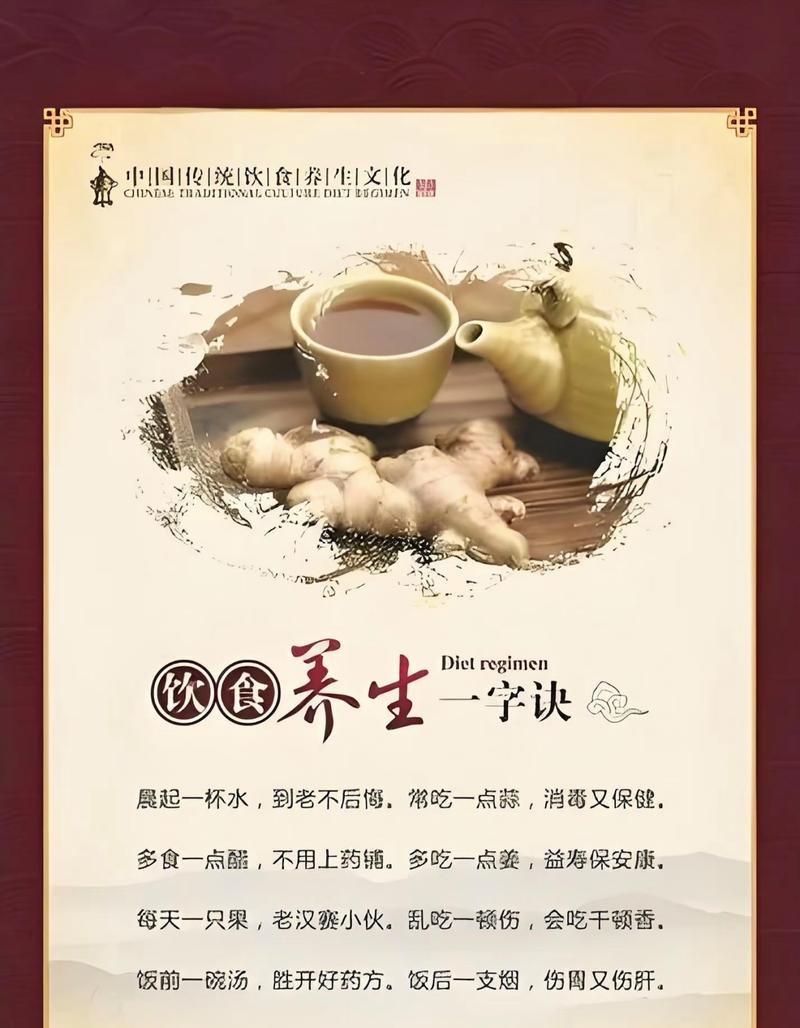
Food as Medicine: A Practical Guide to TCM Dietary Therapy
The Philosophy of Food as Medicine In Traditional Chinese Medicine, food is far more than mere nutrition. The theory of...
Moxibustion Basics: A Beginner's Guide to This Ancient Warming Therapy
What Is Moxibustion? Moxibustion is a traditional TCM therapy that uses the gentle warmth of burning mugwort (artemisia)...
The Nine Constitution Types in TCM: Identify Your Body Type for Personalized Wellness
A New National Standard for Body Constitution In April 2026, China implemented its first national standard for TCM const...
The 12-Hour Body Clock: Living by TCM's Time Wisdom for Daily Wellness
What Is the TCM Body Clock? The TCM body clock, known as "Zi Wu Liu Zhu" or the midnight-noon ebb-flow theory, is the co...
Nine Essential Acupoints for Daily Wellness: A Practical Self-Care Guide
The Power of Acupoint Therapy In TCM, acupoints are access points to the body's meridian network — the channels through...