The Philosophy of Food as Medicine
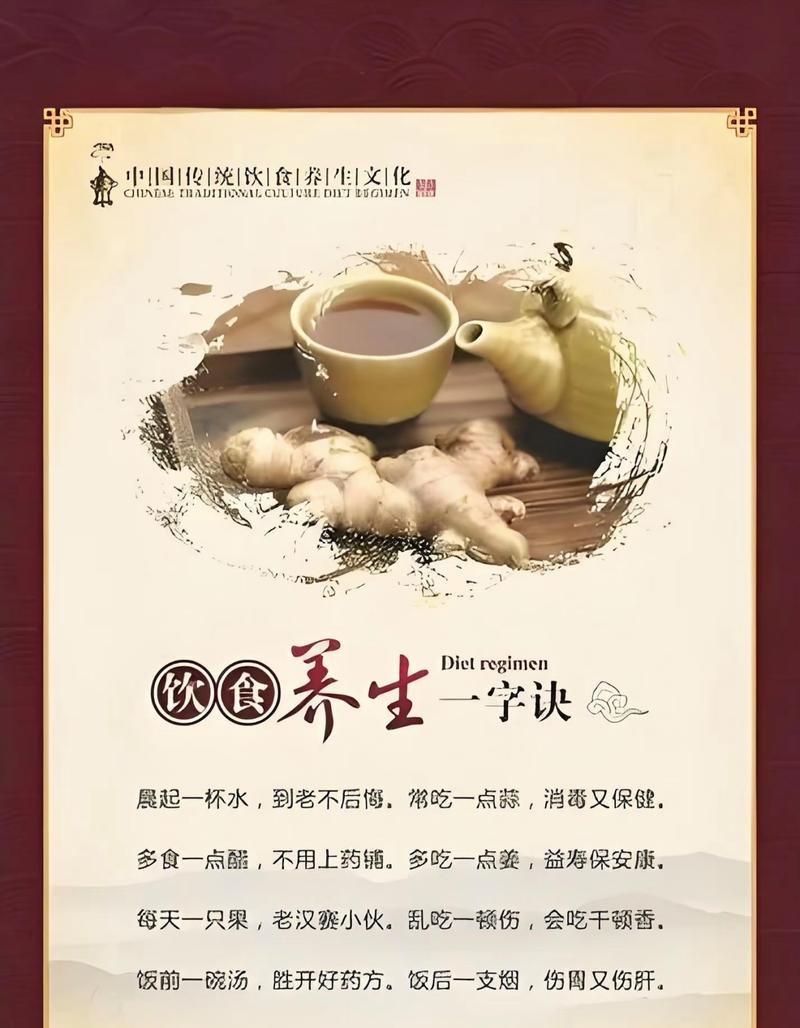
In Traditional Chinese Medicine, food is far more than mere nutrition. The theory of "medicine-food homology" holds that many everyday ingredients possess both culinary and medicinal properties. This wisdom transforms your daily meals into a powerful tool for preventing illness and maintaining vitality.
Foods in TCM are classified by "four natures" — cold, cool, warm, and hot — and "five flavors" — sour, sweet, bitter, pungent, and salty. Understanding these characteristics helps you choose foods that best suit your body's needs. Someone with a cold constitution benefits from warming foods like ginger and lamb, while a person with excess heat should favor cooling foods like mung beans and bitter melon.
Three Categories of Medicinal Foods
Tonic and Nourishing Foods
Ginseng, astragalus, goji berries, and jujube dates strengthen immunity, replenish qi, and nourish the blood. These are ideal for those who feel chronically tired, catch colds easily, or have a weak constitution. Astragalus in particular is known as the "king of immunity boosters" and is excellent for long-term gentle strengthening.
Regulating and Balancing Foods
Ginger releases exterior cold and disperses pathogens. Honey moistens dryness and soothes pain. Lily bulb nourishes yin, moistens the lungs, clears the heart, and calms the spirit. These ingredients help the body return to equilibrium when imbalanced.
Therapeutic Recipe Foods
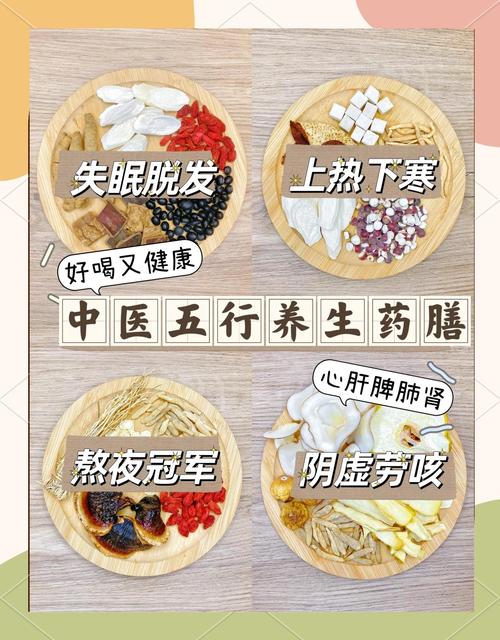
Chinese yam replenishes qi and calms the spirit. Coix seed strengthens the spleen and drains dampness. Lotus seed tonifies the spleen, stops diarrhea, and calms the heart. These versatile ingredients can be incorporated into daily soups, congees, and stews.
Practical Applications for Common Conditions
Cold and Flu
For wind-cold patterns with chills and clear nasal discharge, simmer fresh ginger with jujube dates into a warming soup. For wind-heat patterns with sore throat and fever, opt for cooling mung bean soup or chrysanthemum tea.
Digestive Issues
Hawthorn berry and poria cocos make an excellent digestive congee that strengthens the spleen and harmonizes the stomach. This is particularly helpful after heavy meals or for those with chronic bloating.
Sleep Difficulties
Suanzaoren (sour jujube seed) and lily bulb, prepared as a soup or congee, nourish the heart and calm the spirit, supporting restful sleep without the side effects of pharmaceutical sleep aids.
Important Guidelines
Always match foods to your individual constitution and the current season. Avoid combining incompatible ingredients — for instance, do not eat radish when taking ginseng, as radish disperses qi and counteracts ginseng's tonifying effects. Practice pattern differentiation: what heals one person may harm another with a different constitution.
Integrating Food Therapy into Daily Life
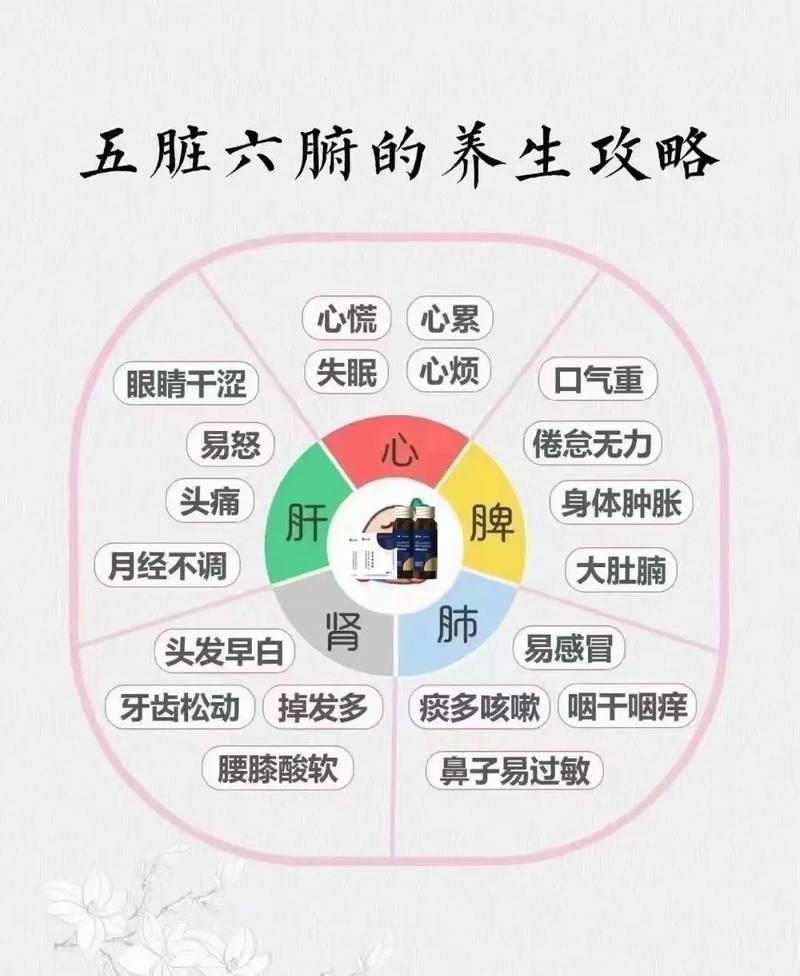
The beauty of TCM dietary therapy is its accessibility. Every bowl of soup, every cup of tea becomes an opportunity to support your health. By understanding the energetic properties of foods and matching them to your body's needs, you transform eating from a simple necessity into a daily healing practice that has sustained Chinese wellness culture for millennia.