What Is TCM Wellness?
Traditional Chinese Medicine (TCM) wellness is not just about steeping goji berries in hot water. It is a complete life science system spanning thousands of years, with one clear goal: helping you maintain harmony between your body and nature even in a busy modern life.
The Yellow Emperor's Inner Canon, written over two thousand years ago, established the foundational framework. Its principle of "correspondence between heaven and humanity" remains central — your body is like a miniature natural world, and seasonal changes directly affect your health.
Three Core Principles
Unity of Heaven and Humanity
Wellness practice must align with seasons, climate, and even lunar phases. In spring, nourish the liver by waking early and taking walks. In winter, protect the kidneys by sleeping earlier and waking later.
Cultivating Both Body and Spirit
Physical exercise and emotional management are equally important. The Tang dynasty physician Sun Simiao said the way of wellness involves regular moderate activity without exhaustion — and he also noted that anger injures the liver while excessive joy strains the heart.
Prevention as the Priority
Top physicians excel at intervening before illness manifests. Modern research confirms this preventive approach significantly reduces chronic disease risk.
Understanding Yin-Yang and Qi-Blood Balance
Think of your body as having twin brothers: Yang is responsible for warmth and vitality — heartbeat, digestion, energy; Yin governs nourishment and rest — sleep, fluid secretion, recovery. When they work in harmony, you feel great. When they fall out of balance, problems arise.
Signs of imbalance include: feeling cold and fatigued (Yang deficiency), or feeling hot and restless at night (Yin deficiency). Simple adjustments help — those with Yang deficiency can drink ginger-date tea in the morning; those with Yin deficiency can have tremella soup before bed.
Dietary Therapy: Your Kitchen Is Your Pharmacy
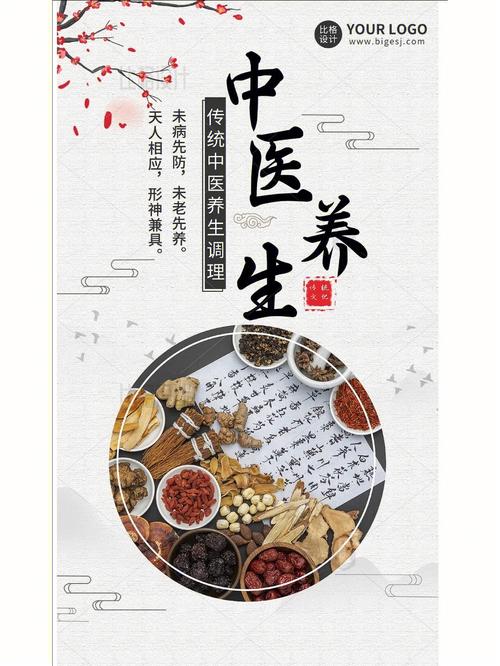
TCM's "food as medicine" philosophy makes wellness delicious. Seasonal stars include: spring sprouts (Chinese toon with tofu), summer gourds (winter melon and coix seed soup), autumn fruits (stewed pear with lily bulb), winter roots (yam and spare rib soup). Classic pairings like angelica-ginger-lamb soup nourish both qi and blood, while lotus seed heart tea clears internal heat.
Movement and Emotional Wellness
You don't need intense workouts. Tai Chi for 10 minutes a day improves microcirculation. The "Two Hands Hold Up the Heavens" move from Baduanjin relieves neck stiffness in just 3 minutes. These slow movements have been shown to activate the parasympathetic nervous system and effectively reduce stress.
For emotional balance: pressing the Taichong acupoint on the foot helps vent liver stagnation, and guqin music in the Jue mode helps soothe the liver.
Starting Your TCM Wellness Journey
Begin with three small daily habits: check your tongue coating each morning to assess your condition, take a 10-minute midday break while pressing the Neiguan acupoint, and soak your feet for 15 minutes before bed while massaging the Yongquan point on your soles. Wellness is not about dramatic transformations — it is about small, consistent practices that accumulate into lifelong vitality.