What Is Moxibustion?
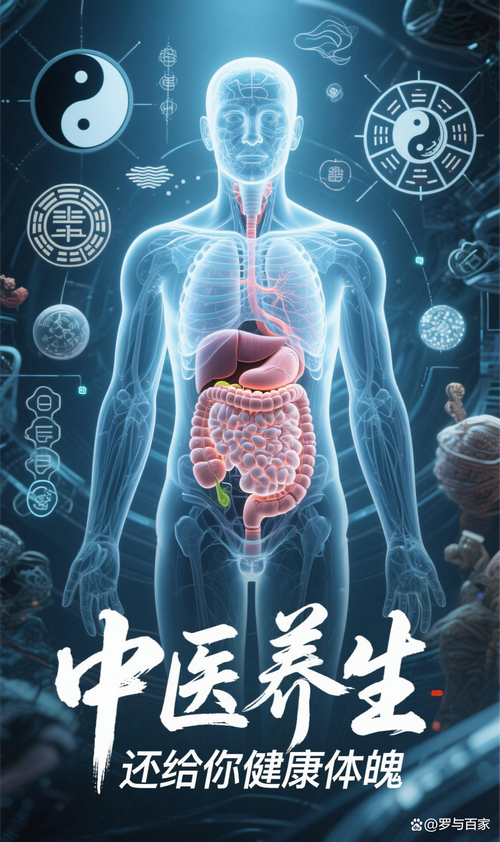
Moxibustion is a traditional TCM therapy that uses the gentle warmth of burning mugwort (artemisia) to stimulate acupoints on the body. This time-tested practice warms and unblocks meridians, disperses cold and dampness, and harmonizes qi and blood flow. Unlike acupuncture, moxibustion is non-invasive and can be safely practiced at home with proper technique.
Preparation and Equipment
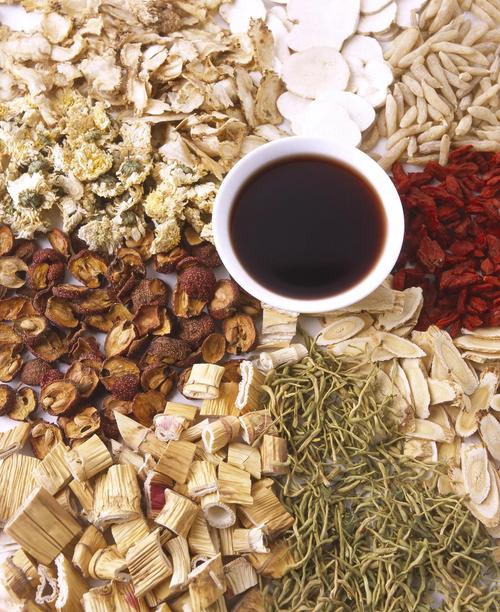
The quality of your materials matters greatly. Choose aged moxa sticks — those made from mugwort that has been stored for at least three years. Aged moxa burns more evenly, produces less smoke, and delivers a gentler, more comfortable warmth. Prepare a moxibustion box or holder, a lighter, tweezers, and a heat-insulating pad to prevent accidental burns. Clean the treatment area thoroughly, keep the skin dry, wear loose clothing that allows easy access to acupoints, and ensure good ventilation in the room.
Core Technique: The Suspended Moxibustion Method
The most common technique for home use is "suspended moxibustion." Light the moxa stick and hold it 3-5 centimeters above the skin surface. The goal is a sensation of gentle, penetrating warmth with the skin turning slightly pink — never allow the stick to get close enough to cause burning. Gently rotate the stick to distribute heat evenly across the acupoint. If you feel any sharp heat, immediately increase the distance.
Sequence and Timing
Follow the "top first, bottom second; yang first, yin second" rule. Begin with the head and back areas (yang surfaces), then move to the abdomen and legs (yin surfaces). Start with back yang meridians, then proceed to abdominal yin meridians. Each acupoint should receive 5-10 minutes of moxibustion. Limit total daily treatment to 30 minutes maximum to avoid over-stimulation which can cause internal heat.
Aftercare and Beginner Tips
After moxibustion, gently press and knead the treated area to promote circulation. Drink a cup of warm water to replenish fluids and avoid exposure to cold or drafts. Beginners should start with simple, well-known acupoints: Zusanli (Stomach 36) on the lower leg for digestive health, Zhongwan (Ren 12) on the abdomen for stomach harmony, and Guanyuan (Ren 4) below the navel to strengthen overall vitality. Master these points before exploring more complex acupoint combinations.
Safety and Contraindications
Never apply moxibustion to broken or irritated skin. Pregnant women should avoid abdominal and lower back points. Those with high fever, bleeding disorders, or extreme fatigue should postpone treatment. Proper ventilation is essential — while aged moxa produces less smoke, some smoke is inevitable. With consistent, correct practice, moxibustion becomes a deeply comforting and effective part of your wellness routine.