What Is the TCM Body Clock?
The TCM body clock, known as "Zi Wu Liu Zhu" or the midnight-noon ebb-flow theory, is the core of TCM chronomedicine. First recorded in the Yellow Emperor's Inner Canon, it reveals the synchronized rhythm between your body's qi and blood circulation and the natural cycles of day and night. Each two-hour period corresponds to a specific meridian and organ system at its peak function.
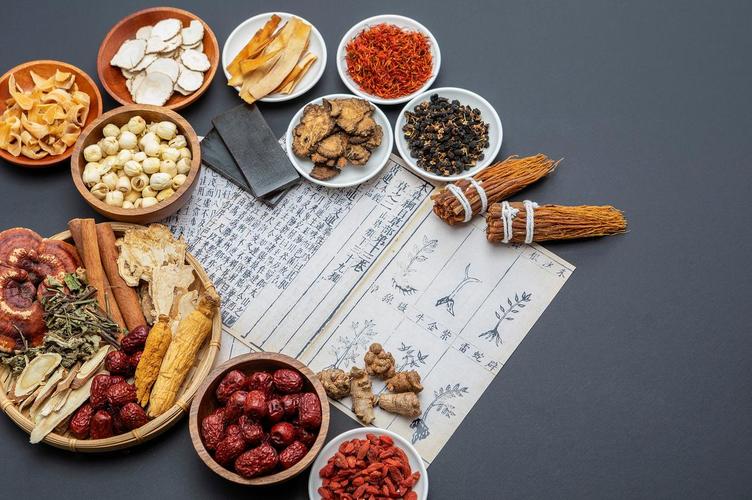
Your Day, Hour by Hour
Mao Hour (5:00-7:00 AM) — Large Intestine Time
This is the optimal time for elimination. Upon waking, drink a glass of warm water on an empty stomach, then use your palm to massage around your navel clockwise for three minutes. This supports the large intestine meridian at its peak and promotes healthy bowel movements.
Chen Hour (7:00-9:00 AM) — Stomach Time
The stomach meridian is most active, making this the best time for breakfast. Choose easily digestible, nutrient-rich foods like millet porridge, eggs, and steamed corn. A good breakfast at this hour maximizes nutrient absorption and sets your digestive fire for the day.
Si Hour (9:00-11:00 AM) — Spleen Time
The spleen transforms food into qi and blood. During work breaks, cross one leg over the other in a figure-four position and tap along the inner thigh where the spleen meridian runs. This gentle stimulation supports optimal spleen function and prevents afternoon energy slumps.
Wu Hour (11:00 AM-1:00 PM) — Heart Time
The heart meridian peaks at midday. This is the ideal window for a 15-30 minute nap, which nourishes the heart and calms the spirit. Avoid vigorous activity right after lunch, and press the Shaofu acupoint in the center of your palm for three minutes to clear heart fire and ease anxiety.
Wei Hour (1:00-3:00 PM) — Small Intestine Time
The small intestine separates the clear from the turbid. Massage the Hegu acupoint between thumb and index finger to promote circulation. Rest your eyes with eye exercises or by gazing into the distance. A warm ginger-jujube tea at this hour supports the small intestine meridian.
Shen Hour (3:00-5:00 PM) — Bladder Time
This is the body's second peak energy window. Rotate your ankles to prevent fluid retention. Stand with hands on your hips, lean back, lift your heels, and hold for five seconds — this stimulates the bladder meridian along your spine. Choose low-sugar fruits for your afternoon snack.
You Hour (5:00-7:00 PM) — Kidney Time
The kidneys store your essence and govern vitality. Make a loose fist and rub the knuckles up and down along the Taixi acupoint between your inner ankle and Achilles tendon. Dinner should be light — congee or steamed dishes — and avoid overeating, which burdens the kidneys during their restorative phase.
Xu Hour (7:00-9:00 PM) — Pericardium Time
The pericardium protects the heart. Press the Zhongchong acupoint at the tip of your middle finger to relieve palpitations, chest tightness, and anxiety. Sustained pressure on this point for five minutes can notably improve sleep onset.
Hai Hour (9:00-11:00 PM) — Triple Burner Time
This is the gateway to sleep. Soak your feet in warm water with mugwort, keeping the water level above the Sanyinjiao acupoint. Massage the Yongquan point on the sole of each foot to draw fire downward and anchor the spirit. Aim to be in bed before 11:00 PM to catch the gallbladder meridian's repair window at Zi hour.
For Night Shift Workers
If your schedule prevents following the natural clock, mitigate the impact by pressing the Taichong acupoint on the top of your foot after waking to smooth liver qi. Include yin-nourishing foods like black fungus and mulberry in your diet, and avoid spicy, grilled foods that exacerbate deficiency fire. Press the Neiguan acupoint on your inner wrist every hour during long shifts to ease heart strain.