


 Posted an update: 2026-4-1 13:39:22 109
The beauty of Hanfu lies not just in its shape, but in its texture. For thousands of years, Chinese artisans have perfected the art of weaving silk, linen, and ramie into fabrics that feel like a second skin.
Hanfu Fabrics: The Ancient Art of Textiles and the Luxury of Silk
In ancient China, fabric was more than just a material—it was a form of currency and a marker of civilization. The story of Hanfu is inseparable from the history of silk (Si) and other natural fibers like linen (Ma). From the shimmer of brocade to the lightness of gauze, the fabrics used in Hanfu represent the peak of human craftsmanship.
1. Silk: The "Queen of Fabrics" and its Varieties
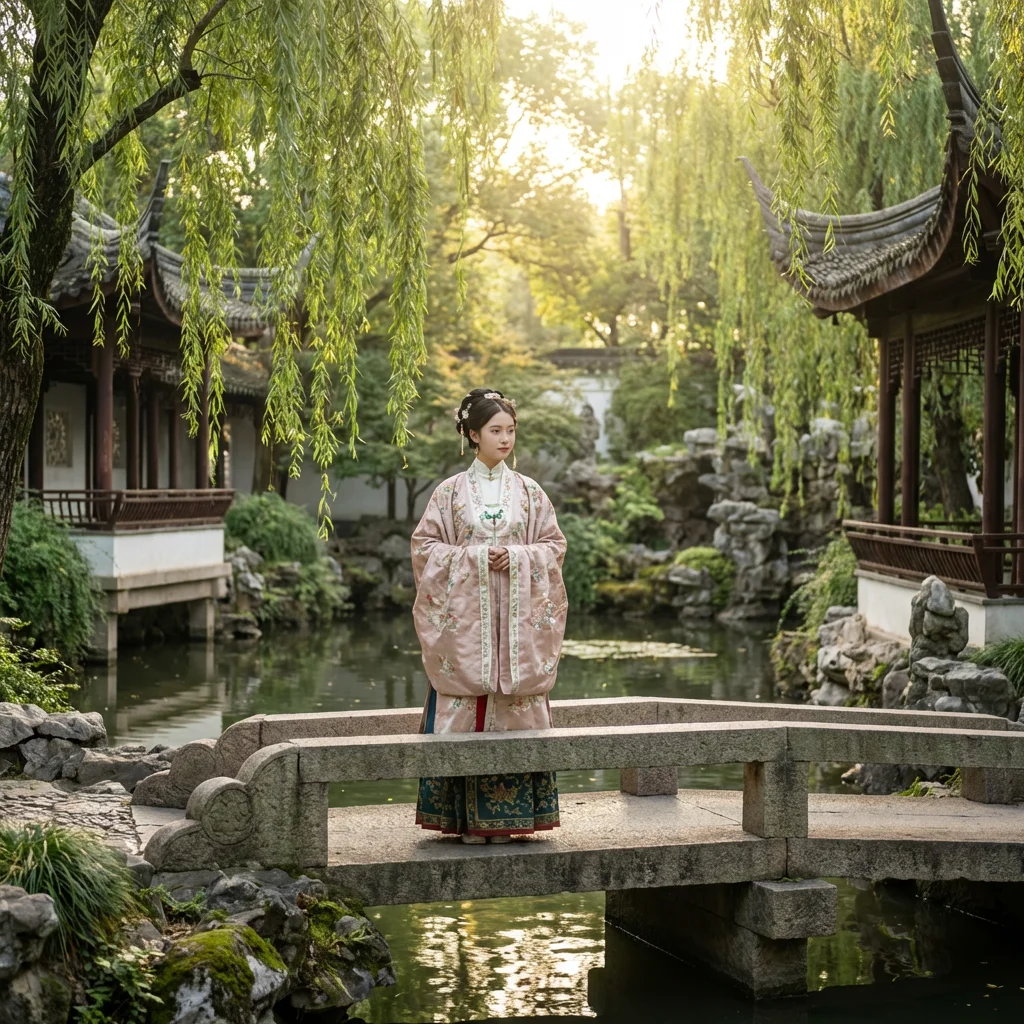
Silk is the soul of Hanfu. Ancient China developed many types of silk, each for a different purpose. Juan (tough silk) was used for durable outer garments, while Sha (gauze) was perfect for summer veils and layered robes. The most luxurious was Duan (satin) and Jin (brocade), which featured complex woven patterns of flowers, birds, and auspicious clouds.
2. Linen and Ramie: The Breathable Beauty of Summer
While the elite wore silk, the common people—and many scholars—preferred the simplicity of Ma (linen and ramie). Ramie is known for its incredible strength and breathability, making it the perfect choice for the hot and humid climates of southern China. Even today, high-quality linen Hanfu is prized for its crisp texture and natural elegance.
3. Weaving the Future: Brocade, Satin, and Gauze
The weaving techniques used in Hanfu fabrics are a marvel of ancient engineering. The Yun-jin (Cloud Brocade) of Nanjing, for example, is so complex that it can only be woven by hand using a massive wooden loom. These fabrics often incorporate gold and silver threads, creating a shimmering effect that changes as the wearer moves.
4. Natural Dyes: The Colors of the Earth
Ancient Hanfu was dyed using natural pigments from plants and minerals. Indigo (Lan) was used for blues, madder (Qian-cao) for reds, and gardenia (Zhi-zi) for yellows. These natural dyes produce soft, harmonious colors that age beautifully and are gentle on the environment—a philosophy that modern eco-fashion is only now rediscovering.
5. FAQ: Caring for Your Hanfu Fabrics
How do I wash silk Hanfu?
Silk is delicate! It is best to hand wash in cold water with a neutral detergent or have it professionally dry cleaned. Never wring silk; instead, roll it in a towel to remove excess water.
Does linen Hanfu wrinkle easily?
Yes, natural linen and ramie will wrinkle. This is considered part of their natural charm, but you can use a steam iron on a low setting to smooth out large creases.
Can I wear silk Hanfu in the rain?
It"s best to avoid it. Rainwater can cause permanent spots on some types of silk. Always check the weather before wearing your finest silk robes!
6. Conclusion
The fabrics of Hanfu are a bridge to the past. When you touch a piece of ancient-style silk or linen, you are feeling the work of generations of weavers and dyers. By choosing high-quality, traditional fabrics, we honor the history of Hanfu and ensure its beauty lasts for years to come.
Ready to accessorize? Next, we dive into the world of Hanfu hair accessories and the elegance of Zan, Chai, and Buyao!