


 Posted an update: 2026-4-1 13:43:10 146
Capturing the beauty of Hanfu is an art form of its own. It requires a balance of light, environment, and an understanding of the traditional aesthetic to turn a simple photo into a timeless masterpiece.
Hanfu Photography Guide: How to Capture the Ethereal Beauty of Traditional Dress
Whether you are a professional photographer or an enthusiast with a smartphone, Hanfu photography is about more than just the subject—it is about creating an atmosphere. To truly reflect the spirit of Hanfu, you must blend the person, the clothes, and the background into a single, harmonious story. This guide will help you master the key elements of Hanfu visuals.
1. Location is Key: Finding the Perfect Backdrop
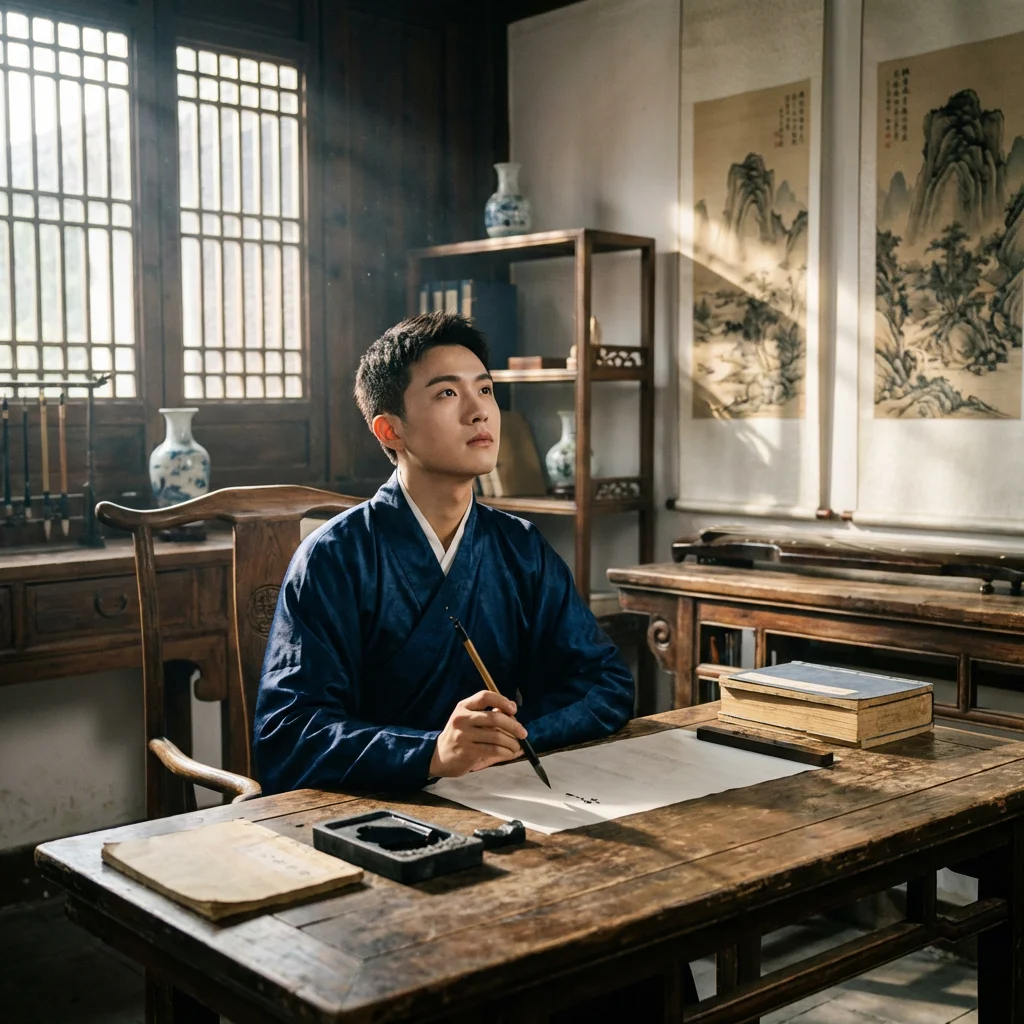
The background should complement, not distract from, the Hanfu. Traditional locations like Chinese gardens with pavillions, bamboo forests, and ancient temples are classic choices. If you are in a modern city, look for "neutral" natural spots like parks with weeping willows or lakes. The goal is to find an environment that feels "timeless" and resonates with the dynasty style you are wearing.
2. Mastering the Light: Softness and Shadow
Hanfu fabrics—especially silk and gauze—interact beautifully with soft light. The "Golden Hour" (shortly after sunrise or before sunset) is ideal. Overcast days are also perfect, as they provide an even, diffused light that brings out the subtle textures and colors of the embroidery. Avoid harsh midday sun, which can create unflattering shadows and wash out the delicate details of the garments.
3. Posing and Expression: The Art of Stillness
Hanfu poses should be elegant and restrained. Instead of bold, modern fashion poses, think about "circular" movements and gentle curves. A slight tilt of the head, a delicate hand gesture, or a slow walk can capture the flowing nature of the robes. Expressions should be calm and thoughtful—a "half-smile" or a distant gaze often works better than a wide, modern grin.
4. Using Props: Fans, Umbrellas, and Flutes
Props are essential for storytelling in Hanfu photography. A folding fan (Shan-zi) or a round fan (Tuan-shan) provides a natural place for the hands. An oil-paper umbrella adds a poetic touch to outdoor shots. Musical instruments like the Dizi (flute) or Pipa can suggest a scholarly or artistic persona, adding depth to the character you are portraying.
5. FAQ: Editing and Post-Processing Your Hanfu Photos
How much editing is too much?
In Hanfu photography, many people use a "painterly" style of editing. Softening the skin, adjusting colors to be more like traditional Chinese ink paintings, and adding a slight "glow" can enhance the ethereal feel. However, try to keep the textures of the fabric as realistic as possible.
Can I take good Hanfu photos with a phone?
Yes! Modern smartphones have great portrait modes that can mimic the depth of field of a professional camera. Focus on your lighting and composition, and you"ll be amazed at the results.
Which dynasty style is easiest to photograph?
Tang Dynasty Hanfu is very vibrant and dramatic, making it great for high-impact shots. Song and Ming styles are more subtle and work well for "moody" or "contemplative" photography.
6. Conclusion
Hanfu photography is a way to bridge the gap between history and the modern lens. It is about capturing a feeling—a sense of grace, mystery, and cultural pride. By following these steps, you don"t just take a photo; you create a window into another world. Grab your camera, put on your robes, and start capturing the beauty of the ages.
That concludes our 10-article series on Hanfu! Explore our next category, Chinese Embroidery, to see the art that decorates these beautiful robes!