


 Posted an update: 2026-4-1 13:51:01 102
Thousands of years before the first factories, the ancient loom was the most complex machine on earth. From the Neolithic Era to the height of the Silk Road, the art of weaving and dyeing has shaped the identity of Chinese civilization.
Introduction to Ancient Chinese Weaving and Dyeing: The Threads of a 5,000-Year Civilization
The history of China is inextricably linked to the history of textiles. The very name of the country in the West—China—is believed to have roots in the word for silk (Si). From the invention of the vertical loom to the mastery of plant-based dyes, Chinese weaving and dyeing (Zhi-ran) represent the perfect marriage of technical engineering and artistic soul. This is the foundation upon which the legendary Silk Road was built.
1. The Neolithic Spark: From Hemp to Silk
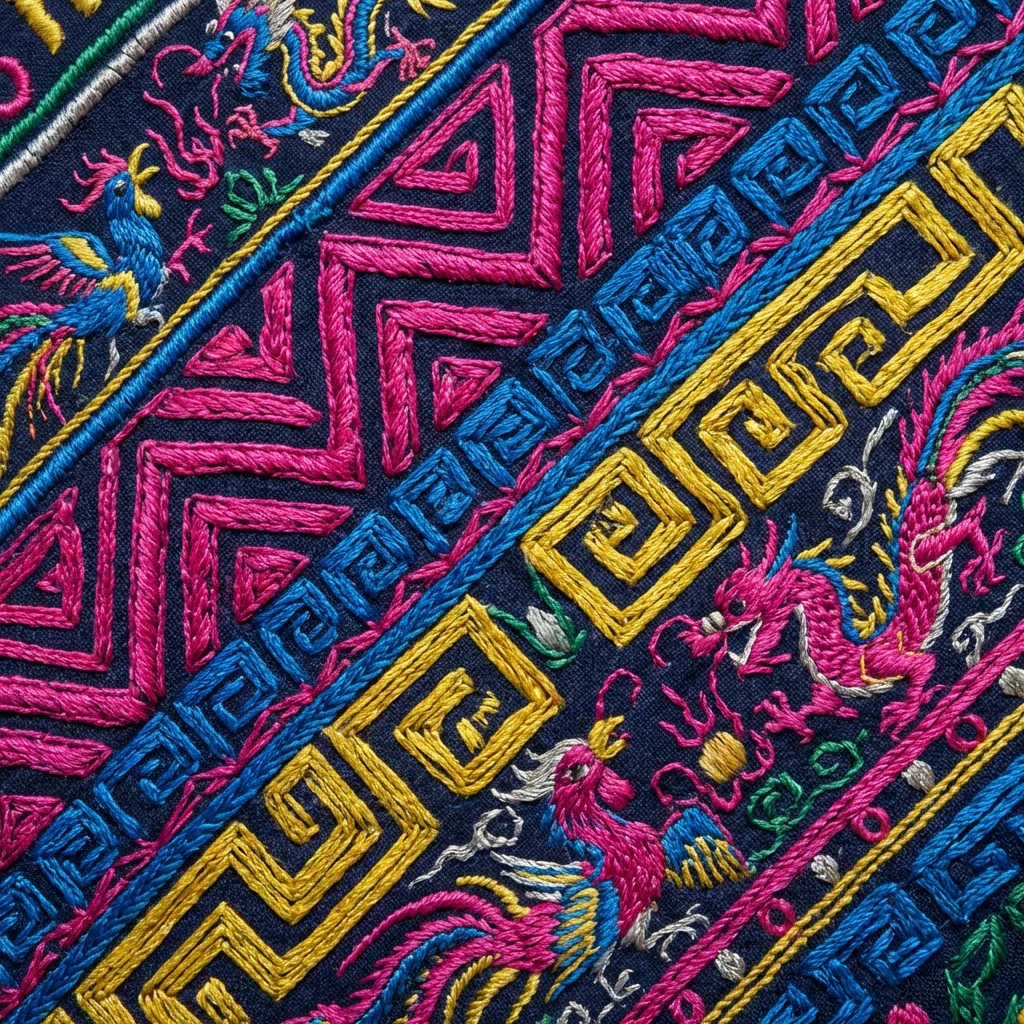
Weaving began in China over 5,000 years ago. Before the widespread use of silk, ancient people used Ma (hemp and ramie) to create durable fabrics. However, the discovery of silk (Si-chou) changed everything. Legend says that Leizu, the wife of the Yellow Emperor, discovered silk when a cocoon fell into her tea. By the Shang and Zhou dynasties, silk weaving had become a royal industry, and the "Sericulture" (raising silkworms) became the heartbeat of the rural economy.
2. The Engineering Marvel of the Ancient Loom
The development of the vertical loom and the draw-loom (Hua-lou) was a revolutionary moment in human technology. These machines allowed weavers to create complex, multi-colored patterns that were impossible to achieve by hand. By controlling thousands of individual threads using a system of pulleys and weights, ancient Chinese engineers created the world"s first "programmable" machines, predating modern computers by thousands of years.
3. Natural Dyes: The Alchemy of Plant and Earth
Ancient Chinese dyeing was a sophisticated science. Our ancestors used hundreds of plants, minerals, and even insects to create a rainbow of colors. Indigo (Lan) for deep blues, Safflower (Hong-hua) for brilliant reds, and Gardenia for bright yellows. These natural dyes were not only vibrant but also carried medicinal and ritual properties, believed to protect the wearer from the elements and evil spirits.
4. The Silk Road: Connecting the World through Weaving
The high quality of Chinese weaving and the brilliance of its dyes created a global demand that opened the Silk Road. For centuries, Chinese silk was the ultimate luxury in Rome, Persia, and India. This cultural exchange was not just about trade; it brought new patterns and techniques—like the round-collar robe—back to China, forever enriching the diversity of the Hanfu we see today.
5. FAQ: Basics of Ancient Chinese Textiles
How can you tell ancient silk from modern silk?
Ancient silk was often hand-spun and hand-woven, giving it a slightly irregular but incredibly rich texture. Modern machine-made silk is perfectly uniform but sometimes lacks the "soul" and unique sheen of hand-crafted textiles.
Why was silk so expensive?
Because of the labor-intensive process: it takes thousands of cocoons and weeks of careful reeling and weaving to produce a single meter of high-quality silk fabric.
Are natural dyes better than synthetic ones?
Natural dyes produce more harmonious, "living" colors that age with a unique character. While they may fade faster in direct sunlight, they are much gentler on the skin and the environment.
6. Conclusion
The art of weaving and dyeing is the thread that holds Chinese history together. It is a story of human ingenuity, artistic vision, and a deep respect for the natural world. As we rediscover these ancient techniques, we are not just looking at fabric; we are looking at the very tapestry of our civilization.
Ready for the peak of weaving? Next, we explore the world of Kesi, the "Carved Silk" that is as valuable as gold!