


 Posted an update:
 The transformation of raw earth into translucent porcelain is a feat of engineering and artistry. Before a single brushstroke is applied, the "mud" itself must be mastered through a series of labor-intensive preparation steps that haven"t changed in over a thousand years.
Table of Contents
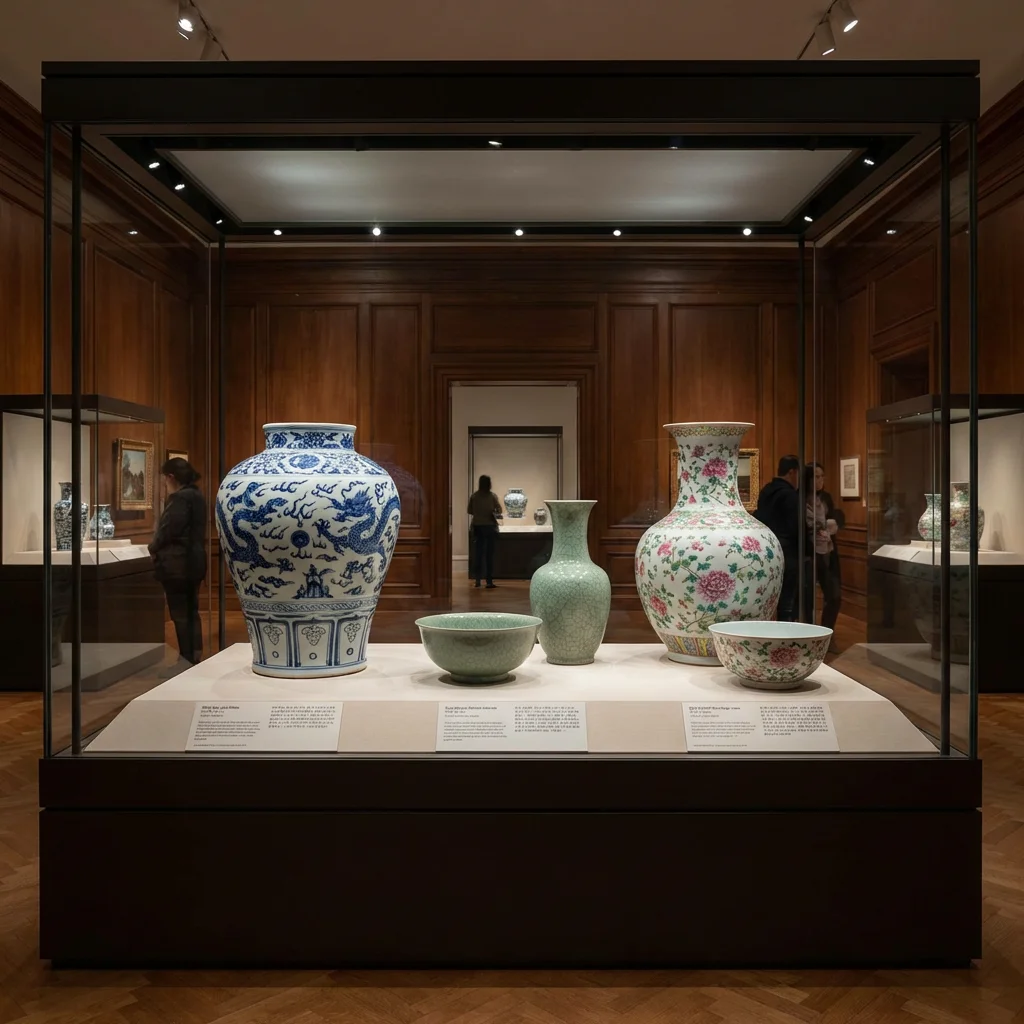
1. The secret of Kaolin and Petuntse
Chinese porcelain is a "hard-paste" porcelain made from two primary minerals. Kaolin (white clay) provides the refractory strength, allowing the vessel to stand tall in the kiln"s heat. Petuntse (porcelain stone) acts as a flux, melting into a glassy substance that fills the pores of the kaolin. The perfect ratio of these two "bones and flesh" of the porcelain is the foundation of quality.
2. Wedging and Kneading the Clay
Once the clay is mixed, it must be "wedged" and kneaded by hand. This process removes all air bubbles and ensures a uniform consistency. Any air pocket left in the clay will expand in the kiln, causing the piece to explode. In traditional workshops, this is a physically demanding task usually performed by the youngest apprentices.
3. The Precision of Trimming
After a vessel is thrown on the wheel and dried to a "leather-hard" state, it is returned to the wheel for trimming. Using specialized iron scrapers, the potter shaves the walls to a uniform thinness—sometimes as thin as 1-2 millimeters for "eggshell" porcelain. This step determines the final weight and balance of the object.
4. Frequently Asked Questions
Q: Why do potters knead the clay in a spiral pattern?
A: The "ox-horn" or spiral kneading technique is the most efficient way to force air out and align the clay particles for maximum plasticity.
Q: How long can clay be stored?
A: In traditional Jingdezhen practice, clay was often prepared by one generation and used by the next. Long aging (souring) improves the clay"s workability through bacterial action.