


 Posted an update:
 The mastery of hemp weaving lies in the rhythm of the loom and the steadiness of the spinner"s hand. It is a slow art that requires a deep understanding of the fiber"s tension and elasticity—a skill that can only be acquired through years of practice.
Table of Contents
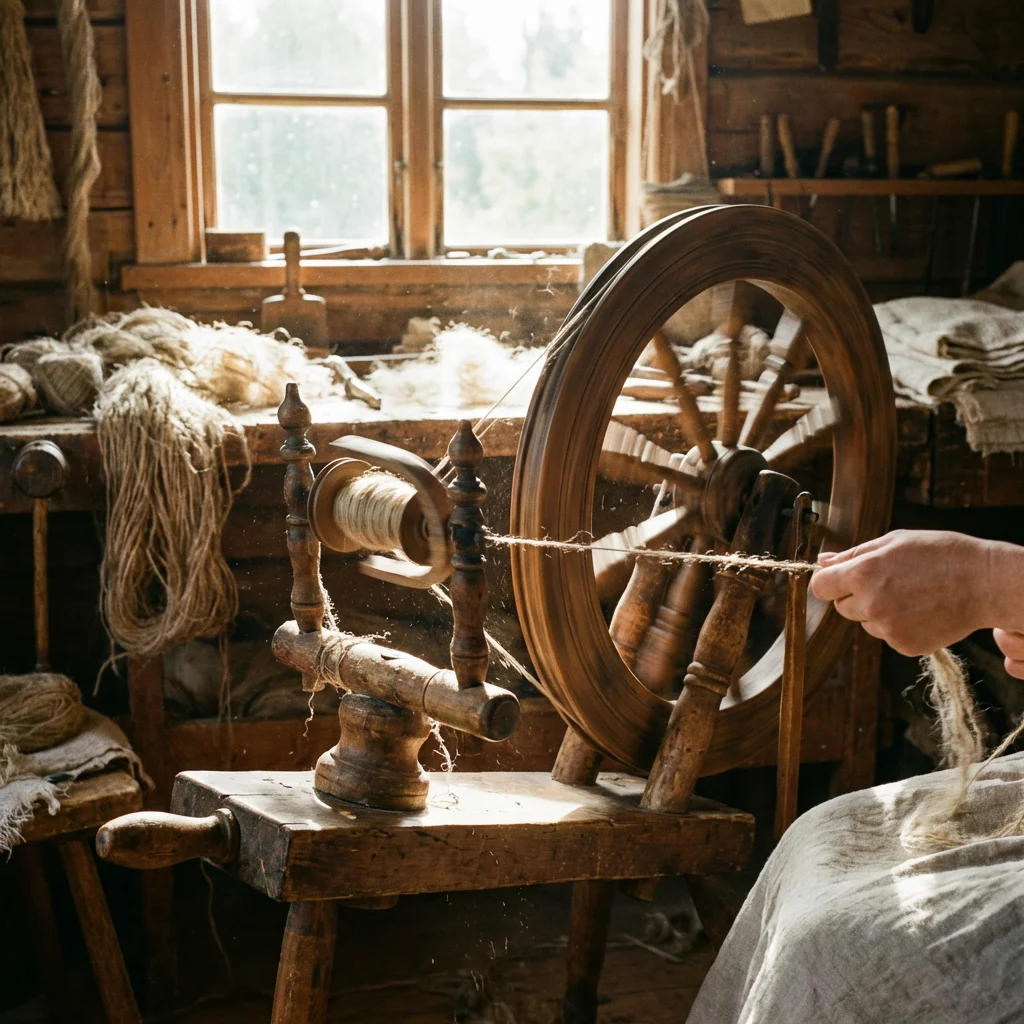
1. Mastering the Spinning Wheel
The traditional Chinese spinning wheel is a marvel of wooden engineering. The spinner must coordinate the foot pedal with the hand-feeding of raw fiber, ensuring a consistent thickness (count) for the thread. This "muscle memory" allows experienced spinners to produce hundreds of meters of uniform thread every day.
2. Warping the Loom
Warping—arranging the longitudinal threads on the loom—is perhaps the most mentally taxing part of the process. Hundreds of threads must be kept at perfectly even tension. Any mistake during warping will lead to irregularities or snapped threads once the weaving begins.
3. The Traditional Treadle Loom
The treadle loom allows the weaver to use their feet to lift the heddles, freeing their hands to pass the shuttle back and forth. This invention, which appeared in China over 2,000 years ago, significantly increased the speed of production while maintaining the high quality of hand-woven fabric.
4. Frequently Asked Questions
Q: Can a beginner learn to weave hemp?
A: Yes, but it requires patience. Learning to spin a consistent thread usually takes several months of daily practice before one can produce "weaving quality" yarn.
Q: What happens if a thread breaks during weaving?
A: The weaver must carefully knot the broken thread using a specialized "weaver"s knot" that is small enough to pass through the reed without being visible in the final fabric.