


 Posted an update: 2026-4-2 11:12:42 61
Chinese paper cutting is no longer confined to red paper and windows. Today, it is interacting with modern technology and international design, evolving into a sophisticated medium for contemporary art, fashion, and high-tech manufacturing.
Table of Contents
1. Laser Cutting: Precision at Scale
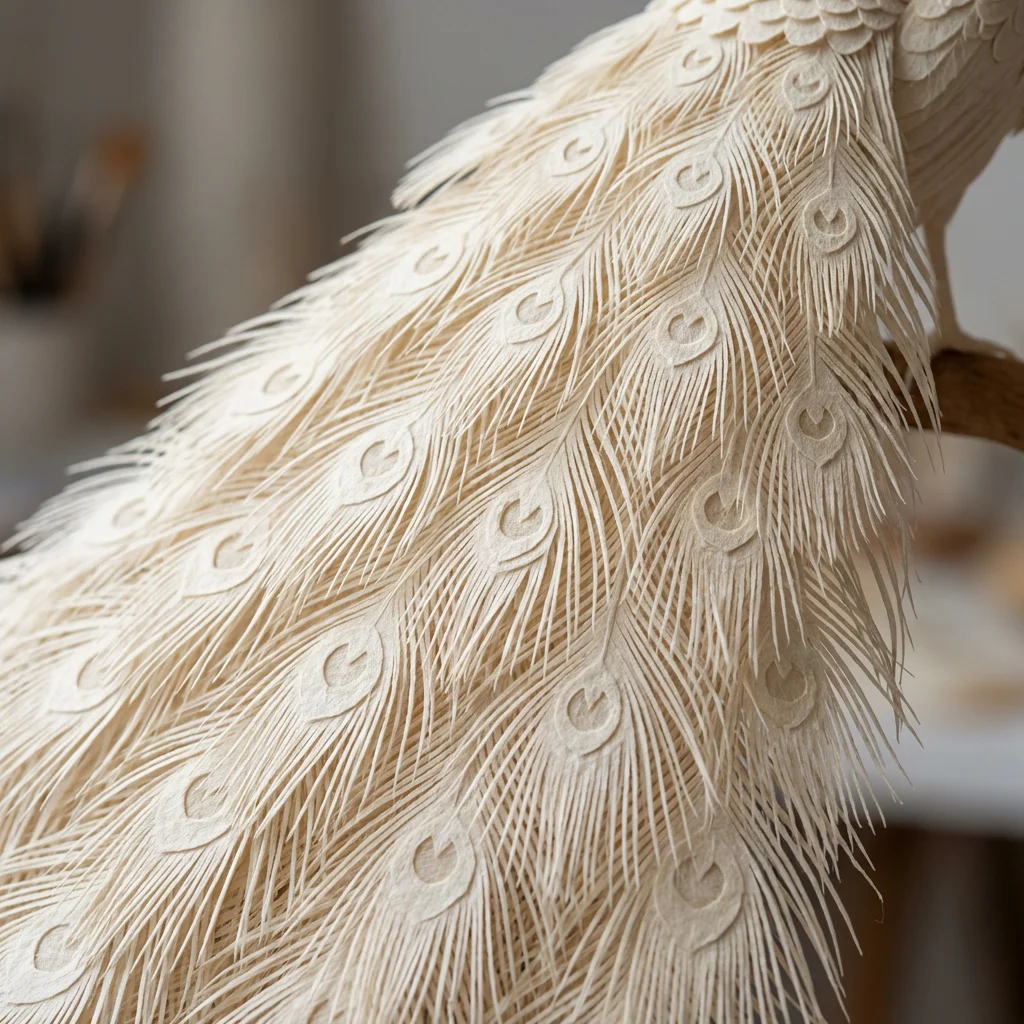
While hand-cutting remains the pinnacle of the art, laser cutting has allowed the aesthetic of Jianzhi to be applied at an industrial scale. This technology allows for the creation of intricate paper-cut patterns on furniture, architectural screens, and even high-fashion garments. It has made the "Paper Cut Look" accessible to a global audience while maintaining the cultural resonance of the original craft.
2. New Materials: Metal, Plastic, and Light
Modern artists are applying paper-cutting techniques to non-traditional materials. Large-scale stainless steel installations in public parks use the "hollow-out" principles of Jianzhi to create a play of light and shadow. Acrylic and synthetic films are used to create 3D paper-cut sculptures that are weather-resistant and glow with internal LED lighting, bringing the tradition into the 21st-century cityscape.
3. Jianzhi as Contemporary Art
Contemporary artists are using paper cutting to explore complex themes like urbanization, memory, and environmentalism. By scaling up the designs or using multi-layered compositions, they are transforming a simple folk art into a powerful medium for social and artistic commentary. These works are now found in major museums like the MoMA and the British Museum.
4. Frequently Asked Questions
Q: Is laser-cut paper art still "Chinese Paper Cutting"?
A: Purists would say no, as the "Scissors-and-hand" connection is lost. However, many see it as a necessary evolution that preserves the *aesthetic* and *symbolism* of the tradition in a modern context.
Q: Where can I see modern paper art?
A: The Beijing 798 Art District and the Shanghai Power Station of Art often host exhibitions featuring contemporary paper-cutting artists.