


 Posted an update: 2026-4-2 11:12:44 66
A well-made Chinese paper cut is a delicate treasure that can bring a touch of Eastern elegance to any interior. However, because it is made of paper, it requires specific methods of display and preservation to ensure it remains vibrant and intact for years to come.
Table of Contents
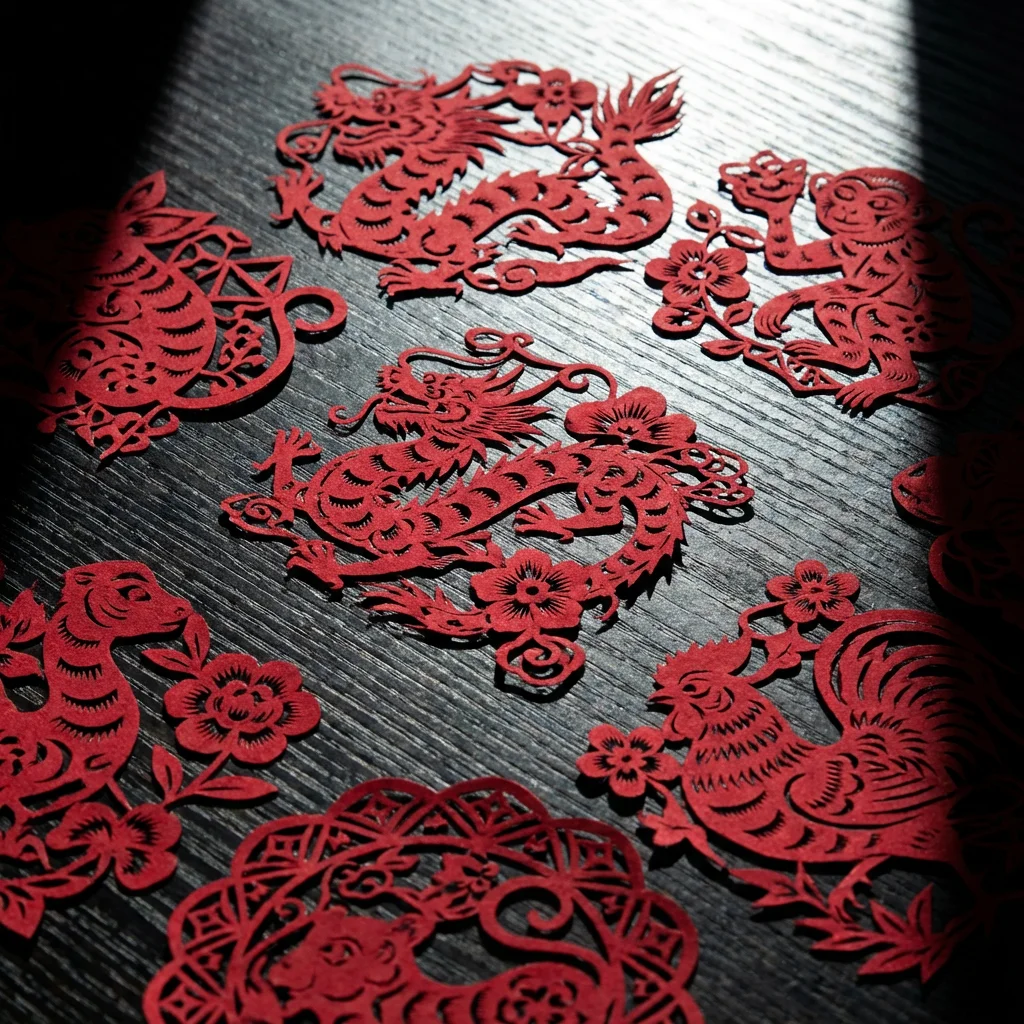
1. The Art of Framing Paper Cuts
The best way to display a high-quality paper cut is to "sandwich" it between two sheets of clear glass or acrylic. This allows the intricate hollow areas to be seen against the wall color while providing structural support. Avoid using glue or tape directly on the paper; the pressure of the glass is usually enough to hold the delicate fibers in place.
2. Integrating Jianzhi into Modern Decor
Paper cuts are incredibly versatile. Beyond traditional window pasting, they can be used as wall art, bookmarks, or even as decorative elements under a glass tabletop. In modern minimalist interiors, a large, single-color paper cut provides a sophisticated graphic element that balances contemporary style with deep cultural heritage.
3. Protecting Your Collection
Paper cuts are sensitive to light and moisture. Direct sunlight will cause the red paper to fade to a dull pink, while high humidity can cause the paper to ripple or develop mold. Keep your collection in a dry, shaded area. For long-term storage, paper cuts should be kept flat in acid-free folders with a sheet of archival tissue paper between each piece.
4. Frequently Asked Questions
Q: How do I clean a dusty paper cut?
A: Very carefully. Use a specialized "bulb blower" (used for camera lenses) to blow off dust. Never wipe or brush a delicate paper cut, as you will likely tear the fine lines.
Q: Can I frame multiple paper cuts together?
A: Yes! Creating a "collage" of different paper cuts—for example, the twelve zodiac animals—can create a stunning and culturally rich focal point for a room.