


 Posted an update:
 For centuries, the finest porcelain produced in China was reserved exclusively for the Emperor and the imperial court. Known as "Guanyao" (Official Ware), imperial porcelain represented the absolute peak of craftsmanship, where no expense was spared in the pursuit of perfection.
Table of Contents
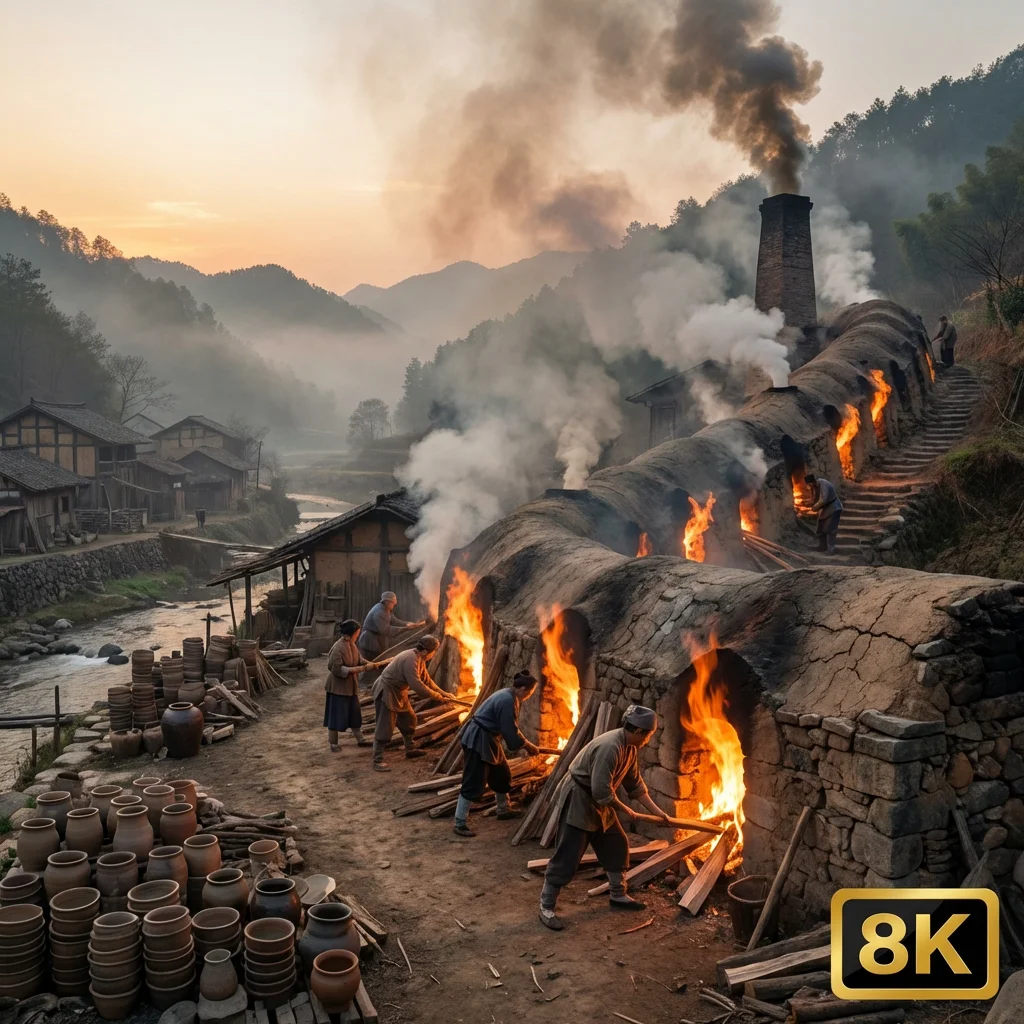
1. The Imperial Kilns of Jingdezhen
Established during the early Ming Dynasty, the Imperial Porcelain Factory in Jingdezhen was a massive state-run institution. It employed thousands of specialized artisans, from clay mixers and painters to kiln masters. The factory received specific designs from the Forbidden City, ensuring that every piece of imperial porcelain adhered to the rigid aesthetic and symbolic standards of the court.
2. Five-Clawed Dragons and Imperial Yellow
Imperial porcelain is distinguished by its specific motifs and colors. The five-clawed dragon was a symbol reserved solely for the Emperor; any commoner caught using it faced severe punishment. Similarly, "Imperial Yellow"—a bright, saturated yellow glaze—was exclusive to the Emperor and Empress, symbolizing the earth and the central authority of the throne.
3. The Zero-Defect Policy
The standards for imperial porcelain were impossibly high. Any piece that showed the slightest flaw—a tiny bubble in the glaze, a minor smudge in the painting, or even a slight warp in shape—was immediately smashed and buried. This ensured that only flawless masterpieces ever reached the palace. Today, these burial pits are a treasure trove for archaeologists.
4. Frequently Asked Questions
Q: How can you tell if a piece is Imperial Porcelain?
A: Imperial pieces almost always bear a "reign mark" (Nian Zhi) on the base, written in formal calligraphy, stating the dynasty and the reign of the emperor under which it was produced.
Q: What happened to the Imperial Kilns?
A: They operated until the fall of the Qing Dynasty in 1912. Today, the site is a museum and a center for the study of traditional ceramic techniques.