


 Posted an update:
 China"s vast geography has led to a rich diversity of hemp-weaving styles. From the coarse, wind-resistant fabrics of the North to the fine, breathable weaves of the South, each region"s style is a response to its environment and local customs.
Table of Contents
1. The Rugged North
In Northern China, hemp was traditionally woven into heavy-duty fabrics used for outer garments and storage sacks. These weaves are characterized by their thickness and natural, unbleached color. They were designed to withstand the harsh, dusty winds of the plains and provide a sturdy layer of protection.
2. Ethnic Minority Traditions in the Southwest
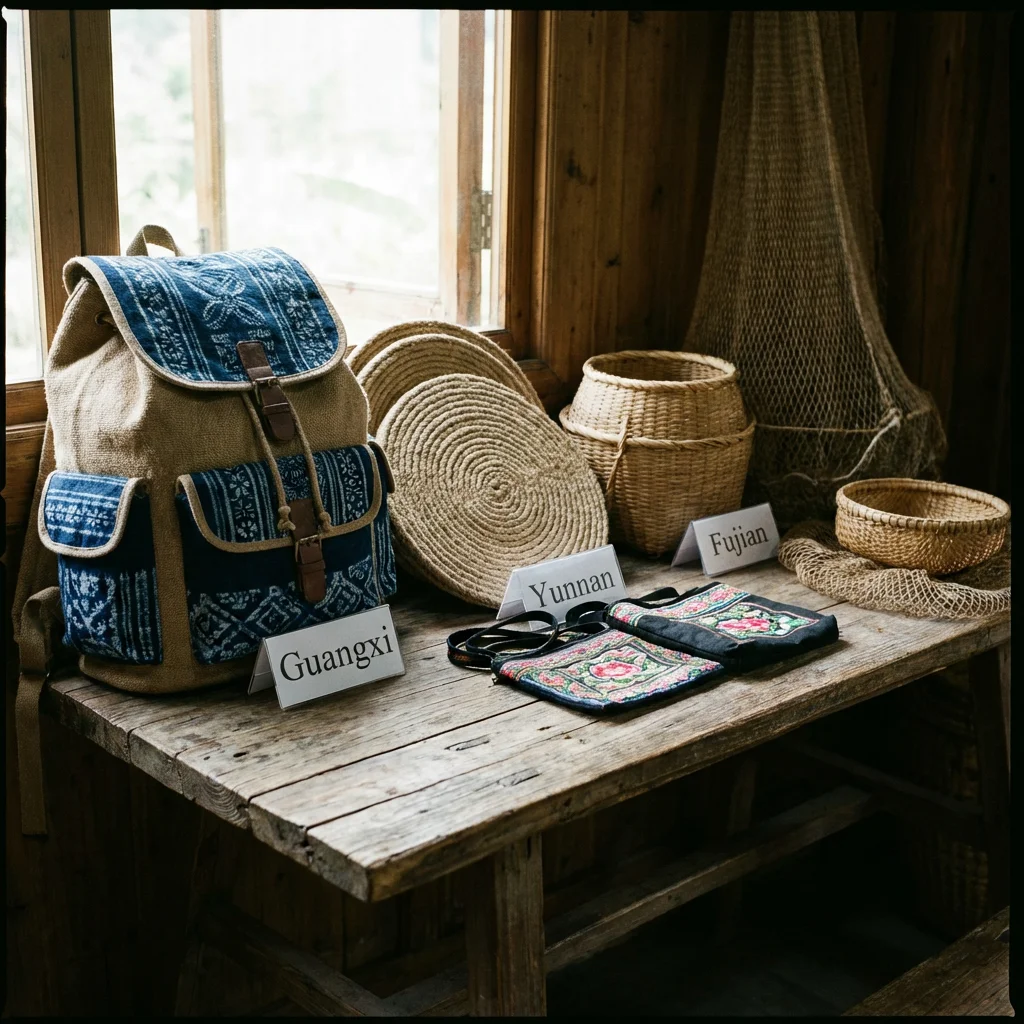
The Miao, Yi, and Bai peoples of Yunnan and Guizhou have preserved some of the most intricate hemp-weaving techniques. Their hemp cloth is often extremely fine, almost translucent, and is frequently embellished with cross-stitch embroidery or indigo batik. For these communities, hemp clothing is a vital marker of ethnic identity.
3. The Coastal Refinement of Fujian
Coastal provinces like Fujian developed a style of hemp weaving that focused on softness and sheen. By utilizing specialized "water-spinning" techniques and fine-combing, they produced hemp fabrics that were highly prized by scholars and merchants for their understated luxury and cooling properties.
4. Frequently Asked Questions
Q: Which region produces the softest hemp fabric?
A: Historically, the coastal regions and the lower Yangtze River valley produced the finest and softest hemp (often overlapping with ramie production) due to advanced processing techniques.
Q: Are there still villages dedicated to hemp weaving?
A: Yes, particularly in Southwest China, several "intangible cultural heritage" villages still focus on traditional hemp cultivation and weaving as their primary craft.