


 Posted an update: 2026-4-1 14:29:31 111
The golden memory of the field. Straw preservation is the science of keeping the grass golden and strong for generations, ensuring that the labor of the harvest never fades into dust.
Preservation of the Golden Thread: Protecting Straw Heritage for Centuries and the Art of Rural Conservation
Straw is a fragile gift. Being a natural grass, it is sensitive to light, moisture, and the passage of time. Without proper care, it can become brittle and lose its beautiful golden luster. But by using a combination of ancient folk wisdom and modern scientific techniques, we can ensure that our straw-woven masterpieces survive to tell the story of our agricultural heritage. This is the art of fighting time to keep the spirit of the field alive.
1. The Enemies of the Field: Sunlight and Moisture
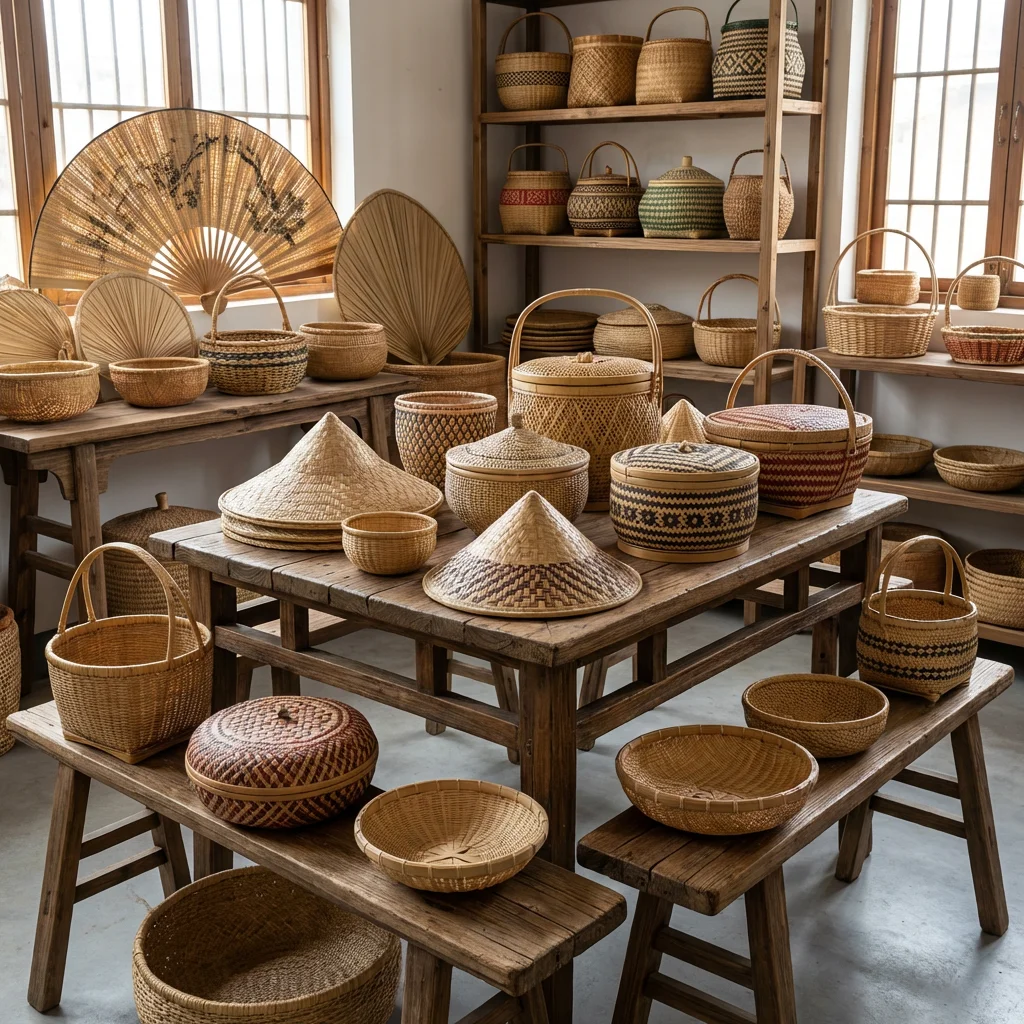
The greatest threat to straw is **Direct Sunlight**. The UV rays of the sun slowly break down the natural lignin in the straw, causing it to bleach and become brittle. **Moisture** is the other great enemy, as even a small amount of dampness can lead to mold and the breakdown of the fibers. For the conservationist, the first rule is always to "control the climate"—keeping the straw in a stable environment where it can breathe without being exposed to the elements.
2. Traditional Protection: The Power of Smoke and Steam
Rural artisans have used the same preservation methods for centuries. **Smoking** the straw over a fire of specific woods creates a thin, protective layer of carbon that acts as a natural fungicide and insect repellent. **Steaming** the finished items with natural sulfur or salt can also help to set the color and kill any hidden pests. These methods are why straw baskets in many old farmhouses remain strong and golden even after a hundred years of exposure to the elements. It is a science of the hearth.
3. Modern Conservation: Nano-Sealing and Controlled Environments
In the museum, we use 21st-century technology to save the most delicate straw art. Scientists have developed **Nano-Sealing** techniques that can apply an invisible, breathable layer of protection to each individual straw fiber. This shield blocks UV rays and moisture while allowing the straw to maintain its natural texture and scent. We also use **Anoxic Environments** (oxygen-free) to store the oldest pieces, preventing the oxidation that causes straw to darken and crumble over time.
4. Restoring the Gold: Mending the Broken Braid
Restoring a damaged straw weave is a task that requires both surgical precision and artistic vision. The restorer must identify the exact type of straw and the specific braiding pattern used by the original artisan. New straw must be carefully aged or dyed to match the patina of the old piece before it is woven in. By "unpicking" the damaged area and carefully re-braiding the new straw, the restorer can make the piece whole again without erasing the history of its use. It is a work of deep respect for the hands of the past.
5. FAQ: How You Can Help Protect Straw Heritage
How should I store my straw collection?
Keep your straw items in a cool, dry place away from direct sunlight and heaters. If you live in a very humid area, you can place a small packet of silica gel inside your baskets or storage containers to help absorb excess moisture. Never store straw in a plastic bag, as it needs to "breathe" to stay healthy.
Can I wash an old straw hat?
Generally, avoid washing straw. If it becomes dusty, use a very soft brush or a vacuum cleaner on a low setting with a soft attachment. If there is a stain, use a tiny amount of water on a cloth and dab the area gently. Reshape the hat while it is slightly damp and let it dry in a cool, shaded place.
How can I support straw heritage conservation?
Support museums and cultural centers that exhibit traditional straw weaving. Many rural areas in Shandong and Hebei have small museums dedicated to the craft—visiting them and buying from local artisans helps to ensure that these skills remain economically viable and are passed down to the next generation.
6. Conclusion
The preservation of straw is the preservation of our agricultural soul. It reminds us that even the most temporary gifts of the harvest can be made eternal through care and respect. As we admire the golden luster of a centuries-old straw fan, we are connecting with the light and the labor of a harvest long ago. The grass is golden, the air is still, and the memory is forever woven. Straw is the spirit of the harvest, protected for the future.
We hope you enjoyed our 10-article series on Straw Weaving! Explore our next category, Hemp Weaving, to see the incredible strength of the ancient fiber!