


 Posted an update: 2026-4-1 13:54:33 98
The ancient art of the needle is no longer confined to museums. From global runways to modern luxury interiors, Chinese embroidery is experiencing a massive modern revival, blending thousands of years of heritage with 21st-century style.
Modern Revival: How Traditional Chinese Embroidery Is Conquering the Contemporary World
In recent years, traditional Chinese embroidery (Ci-xiu) has moved from being a "vanishing craft" to a vibrant part of global fashion and design. Led by a new generation of artisans and designers, the techniques of Su, Xiang, Yue, and Shu are being reimagined for the modern lifestyle. This is more than just a trend; it is a cultural "Rennaissance" that proves traditional beauty is truly timeless.
1. High Fashion: The Global Runway Debut
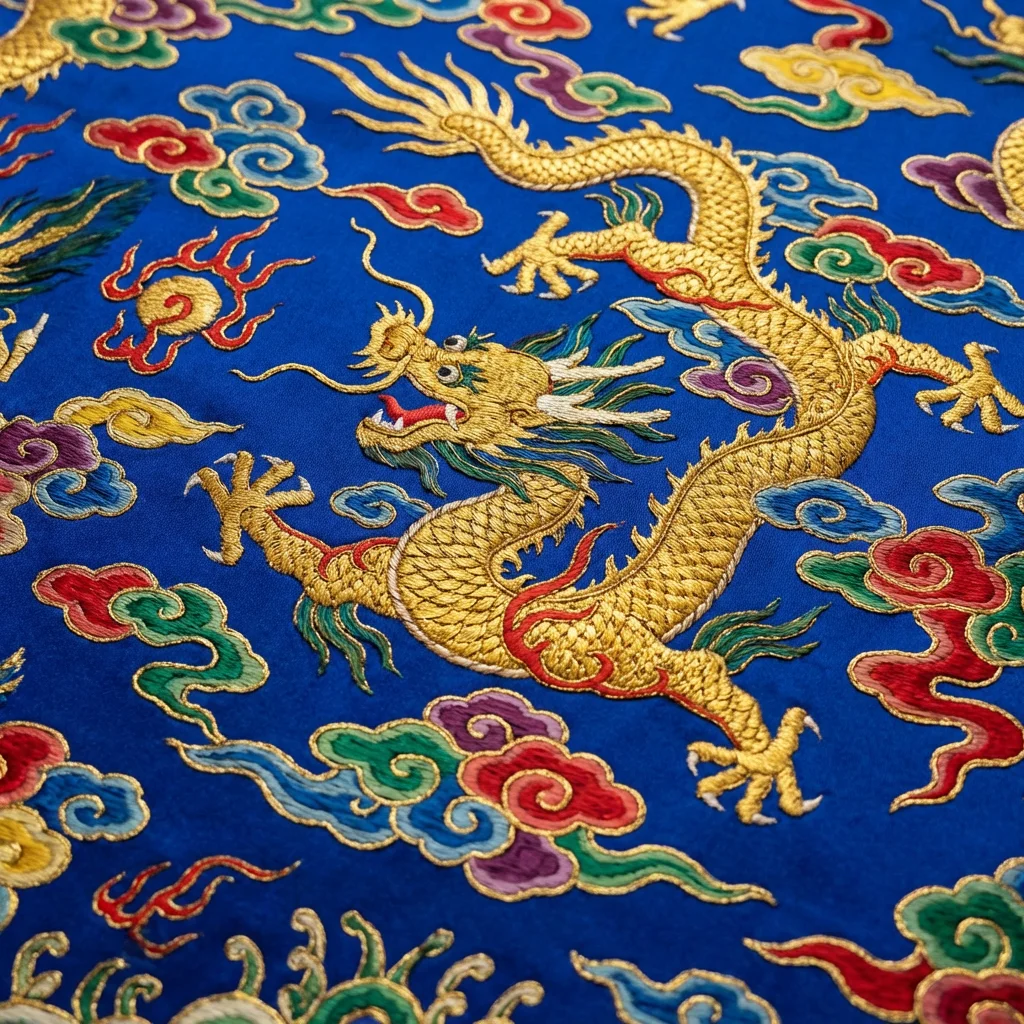
Chinese embroidery has become a favorite among international high-fashion brands. Houses like Dior, Gucci, and Chanel have all incorporated traditional Chinese motifs and techniques into their collections. However, the most exciting work is coming from Chinese designers like Guo Pei and Lawrence Xu, who use museum-quality hand-embroidery to create "wearable art" that has stunned audiences in Paris and New York. This global visibility has redefined Chinese embroidery as a peak of global luxury.
2. New Chinese Style: Embroidery for Daily Life
The "New Chinese Style" (Xin-zhong-shi) is a movement that blends traditional elements with modern silhouettes. You can now find minimalist jackets with Su-embroidered collars, sneakers with Miao-style patterns, and handbags featuring Kesi tapestry. These items are designed for the modern urban lifestyle, allowing people to show their cultural identity without looking like they are in a costume. This practical revival is making embroidery a part of the everyday "uniform" for many Gen Z and Millennial Chinese.
3. Luxury Interiors: Silk Art in the Home
Beyond fashion, embroidery is finding a new home in high-end interior design. Su-embroidered screens, embroidered silk wallpaper, and luxury cushions are becoming staples of "Oriental Zen" interiors. These pieces bring a sense of history and artisan warmth to modern minimalist spaces. A single hand-embroidered screen can serve as a stunning piece of "living" furniture that bridges the gap between the past and the present.
4. Digital Heritage: Social Media and the New Artisans
Platforms like TikTok (Douyin) and Instagram have been the unlikely saviors of traditional embroidery. Young artisans are sharing "ASMR" videos of their needles piercing silk, attracting millions of viewers. This digital exposure has created a new market for hand-crafted goods and inspired a new generation of students to learn these ancient skills. The artisan is no longer a hidden figure in a village; they are a digital celebrity with a global audience.
5. FAQ: Incorporating Traditional Embroidery into Your Style
How can I wear embroidery without looking "traditional"?
Start small! A silk scarf with a touch of embroidery or a modern blazer with an embroidered patch can add a sophisticated touch to a Western-style outfit. The key is to let one embroidered piece be the focal point.
Is "modern" embroidery as good as the old stuff?
Technically, yes! Many modern artisans are using the exact same techniques and tools as their ancestors. However, the designs are more varied and often more suited to modern tastes.
Can I learn these skills online?
Yes! Many masters now offer online courses and kits. It"s a wonderful way to slow down and connect with your heritage, even if you are thousands of miles away from a traditional workshop.
6. Conclusion
The modern revival of Chinese embroidery is a story of resilience and love. It proves that the human heart will always crave the beauty of the handmade. By bringing these ancient needles into the 21st century, we are ensuring that the spirit of our ancestors continues to shimmer in the light of the future. The thread of our culture has never been stronger.
That concludes our series on Chinese Embroidery! Next, we begin our exploration of the legendary "Shu Brocade" in our series on Dyeing and Weaving!