


 Posted an update: 2026-4-1 14:08:07 112
Wood is alive, and like all living things, it is mortal. Against the silent enemies of rot, insects, and humidity, we are in a race to save the timber memories of our ancestors. Wood preservation is the science of keeping the forest"s soul alive for the future.
Preservation of Wood: Fighting Rot, Insects, and Time to Save China"s Timber Heritage
China"s wood heritage—from the massive halls of the Forbidden City to the delicate screens of a Huizhou home—is under constant threat. Unlike stone or bronze, wood is an organic material that is highly sensitive to the environment. However, using a blend of ancient wisdom and 21st-century science, a new generation of restorers is working to ensure that these "breathing monuments" survive. This is the story of the careful battle to protect the warmth and history of the timber.
1. The Enemies of Wood: Moisture and the Termite
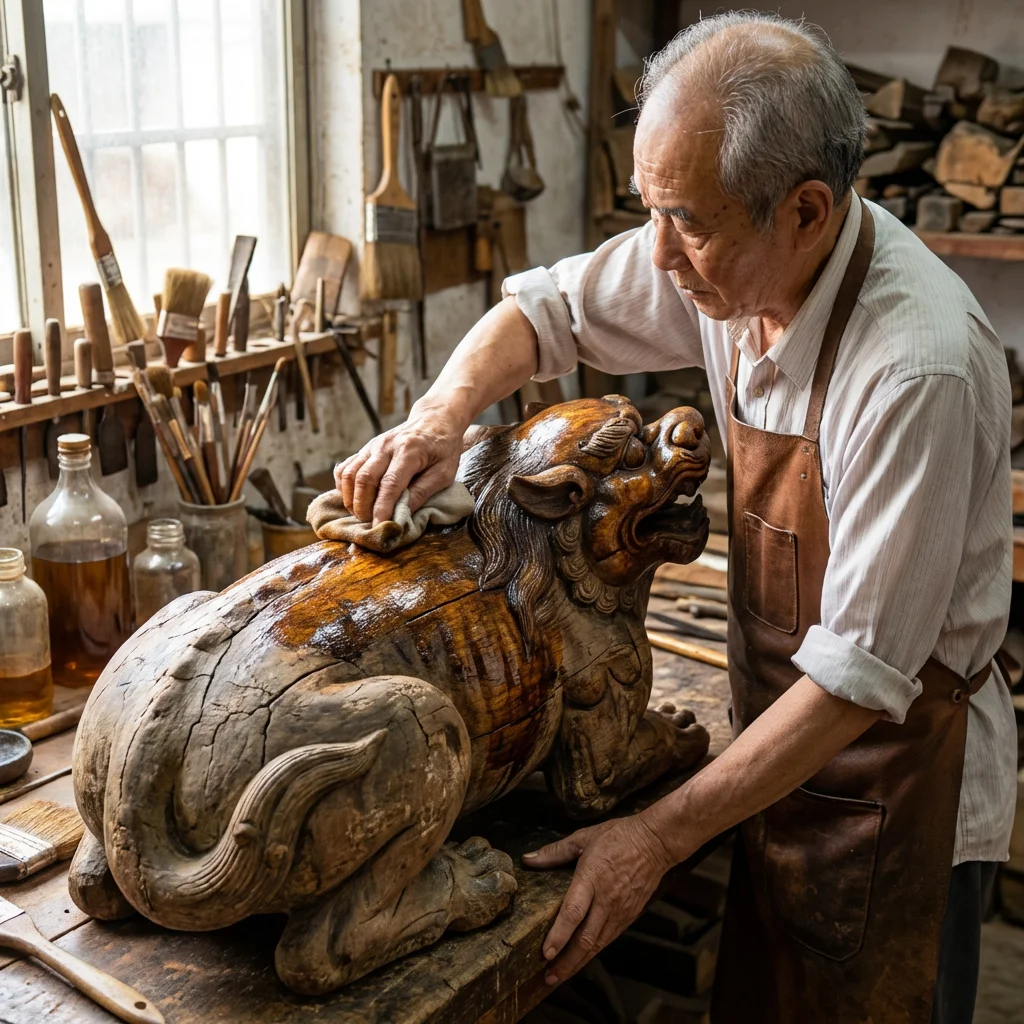
The greatest enemy of wood is Water. Too much humidity causes rot and mold, while too little causes the wood to shrink and crack. Furthermore, insects—especially termites and beetles—can turn a magnificent beam into dust from the inside out. For the restorer, the first step is always to "stabilize" the environment—controlling the air and the ground to prevent the enemies from reaching the wood.
2. Ancient Wisdom: The Power of Tung Oil and Lacquer
Ancient Chinese builders had their own sophisticated methods of preservation. Tung Oil (Tong-you) and Raw Lacquer (Qi) were used as natural, waterproof coatings that allowed the wood to "breathe" while repelling water and insects. These natural resins are so durable that they can last for centuries. Modern restorers still use these traditional materials today, as they are often more compatible with the original wood than modern chemical substitutes.
3. Modern Technology: Non-destructive Testing and Consolidation
How do we know if a beam is rotten inside without cutting it open? The answer is Ultrasonic Testing and X-rays. By using these non-destructive tools, scientists can map the internal health of the wood. If a beam is found to be weak, modern restorers use "Consolidation"—injecting high-strength resins into the wood fibers to reinforce them from the inside, restoring the structural strength without changing the outward appearance of the art.
4. Structural Restoration: Replacing the Rot
Sometimes, a piece of wood is too far gone to be saved. In these cases, restorers use the "Traditional Patching" technique. They carefully remove the rotten section and replace it with a new piece of the *same* type of wood, using ancient Sun-mao joinery to ensure a perfect structural match. Over time, as the new wood ages and is treated with traditional oils, the patch becomes invisible, and the integrity of the original building or furniture is restored.
5. FAQ: How You Can Protect Your Wood Collections
What is the ideal humidity for wood?
For traditional Chinese wood, a relative humidity of 50-60% is ideal. Rapid changes are the most dangerous, so avoid placing wood furniture directly under air conditioning vents or next to radiators. Using a hygrometer to monitor the air is a simple but effective way to protect your collection.
Is it okay to use modern furniture polish?
Be careful! Many modern polishes contain silicone or harsh solvents that can damage the natural oils and the original finish of traditional wood. Stick to natural beeswax or high-quality tung oil products specifically designed for antique furniture.
How do I handle wood carvings safely?
Always lift wood furniture by the structural frame, not by the decorative carving or the back. When moving carved panels, wrap them in soft cotton cloth to prevent the edges from chipping. Your careful handling is the best form of preservation.
6. Conclusion
The preservation of wood is the preservation of our warmth and our history. It is a promise to the craftsmen of the past that their work will continue to breathe and inspire. By combining the natural wisdom of tung oil with the precision of ultrasonic testing, we are ensuring that the timber souls of our homes and temples will never fade. The forest may pass, but its spirit is forever safe in our hands.
We hope you enjoyed our 10-article series on Chinese Wood Carving! Explore our next category, Chinese Jade Carving, to see the eternal beauty of the stone of heaven!