


 Posted an update: 2026-4-1 14:02:40 121
Even stone is not eternal. Against the silent erosion of wind, water, and time, we are in a race to save the memories carved by our ancestors. Stone preservation is the science of keeping history standing for the future.
Preservation of Stone: Fighting Erosion and Time to Save China"s Carved Heritage
China"s stone heritage—from the massive Buddha statues of Longmen to the delicate steles of Xi"an—is under constant threat. Environmental pollution, climate change, and even the simple passage of time are slowly wearing away the details of these masterpieces. However, using a blend of ancient wisdom and 21st-century technology, a new generation of restorers is working to ensure that these "etched memories" survive for another thousand years. This is the story of the silent battle to protect the heart of the mountain.
1. The Enemy of Stone: Wind, Water, and Acid Rain
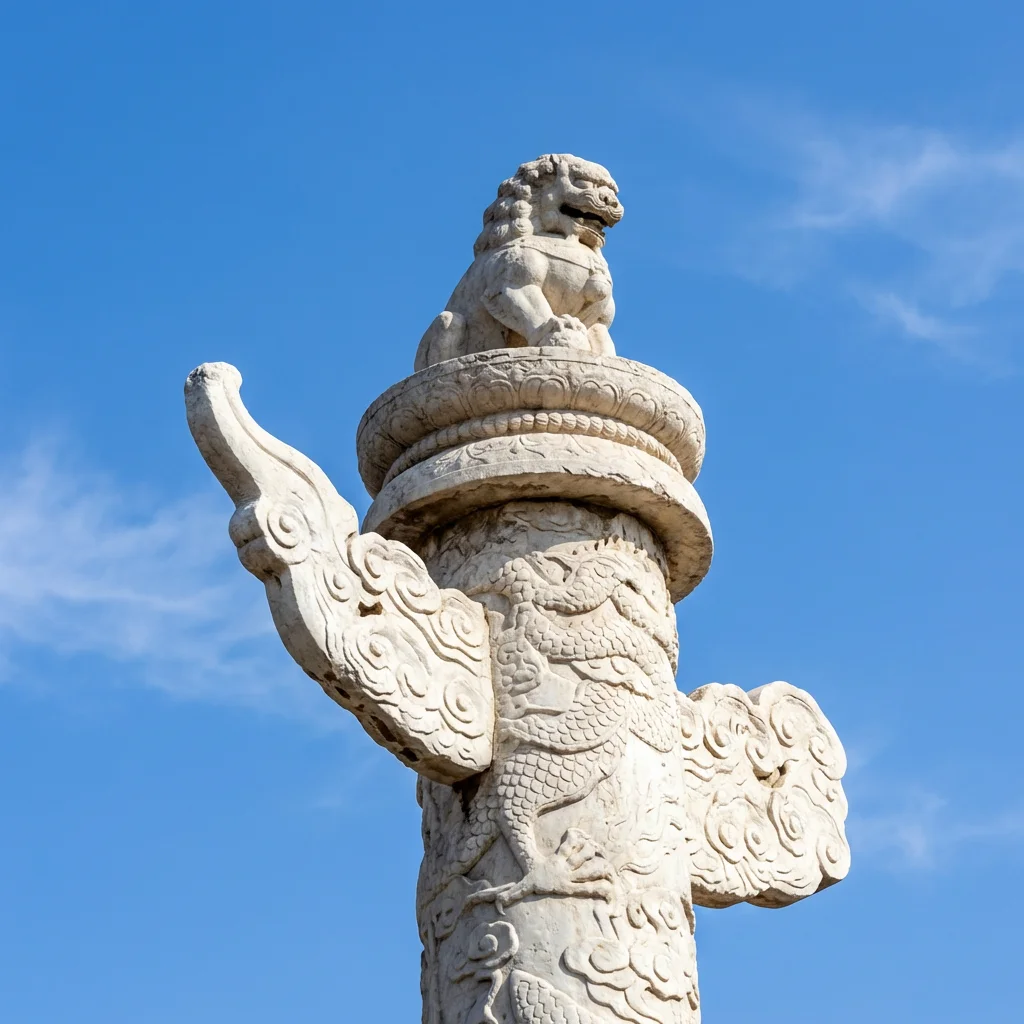
The greatest threat to outdoor stone carving is Chemical Weathering. Acid rain, caused by modern pollution, reacts with the limestone and marble, slowly dissolving the fine details of the faces and robes of statues. Wind erosion acts like a slow sandpaper, while water seeping into cracks can freeze and expand, causing large blocks to split. For the restorers, the first step is always to "stabilize" the environment around the stone before the actual repair can begin.
2. Digital Preservation: 3D Scanning and the Virtual Cave
If the stone itself is fading, how do we save the data? The answer is 3D Laser Scanning. By creating ultra-high-resolution digital models of grottoes and steles, scientists can preserve the exact geometry of the art down to the millimeter. Projects like the "Digital Dunhuang" and the "Digital Yungang" allow people to explore the caves in virtual reality, reducing the physical impact of tourists on the fragile sites while ensuring that if a statue is ever lost, it can be perfectly replicated.
3. Biological Restoration: Gentle Cleaning with Science
Cleaning ancient stone is a delicate task. Harsh chemicals can do more harm than good. Modern restorers use Biological Agents and enzymes to gently break down dirt, moss, and pollution without touching the stone surface itself. Laser cleaning is also used to vaporize surface soot without any physical contact. This "Minimal Intervention" philosophy ensures that the original "patina" and spirit of the carving are maintained while the harmful layers are removed.
4. Structural Engineering: Anchoring the Past
For large-scale sites like Longmen, structural stability is a major concern. Earthquakes and groundwater can cause entire cliffs to shift. Restorers use advanced anchoring systems and "stone stitching" techniques to reinforce the internal structure of the mountains. By monitoring the stress levels with electronic sensors, they can detect a problem before it becomes a disaster, turning the grottoes into "smart" monuments that can communicate their health to the experts.
5. FAQ: How You Can Help Save China"s Stone Heritage
Does visiting grottoes harm them?
The humidity and CO2 from human breath can harm ancient pigments. When visiting, always follow the rules—no flash photography, don"t touch the statues, and stay on the designated paths. Your cooperation is the first line of defense for these sites.
How long does a restoration take?
A single large Buddha statue can take several years of careful work to restore. It is a slow, painstaking process that requires patience, scientific knowledge, and a deep respect for the original artist"s vision.
Can I volunteer for stone preservation?
Many museums and cultural heritage sites have volunteer programs for public education. While the actual technical restoration is for experts, helping to spread awareness and educate others on the value of our stone heritage is a vital part of the preservation mission.
6. Conclusion
The preservation of stone is the preservation of our memory. It is a promise to our ancestors that their work will not be lost to the wind. By combining the heart of an artist with the tools of a scientist, we are ensuring that the Buddhas of Longmen and the steles of Xi"an will continue to inspire for another millennium. The mountain may be silent, but with our care, it will never be forgotten.
We hope you enjoyed our 10-article series on Chinese Stone Carving! Explore our next category, Chinese Wood Carving, to see the warmth and life of the forest turned into art!