


 Posted an update: 2026-4-1 13:41:06 113
In the world of Hanfu, the hair is the "crown of beauty." For millennia, hair accessories like the Zan, Chai, and Buyao have been used not just to secure the hair, but to express elegance, status, and poetry.
Hanfu Hair Accessories: The Elegance of Zan, Chai, and the Swaying Buyao
The history of Chinese hair accessories is as old as Hanfu itself. As hairstyles became more complex through the dynasties, so did the ornaments used to adorn them. From simple bone pins to intricate gold and kingfisher feather masterpieces, these accessories are the finishing touch that transforms a set of robes into a complete Hanfu ensemble.
1. The Zan and the Chai: The Foundations of the Bun
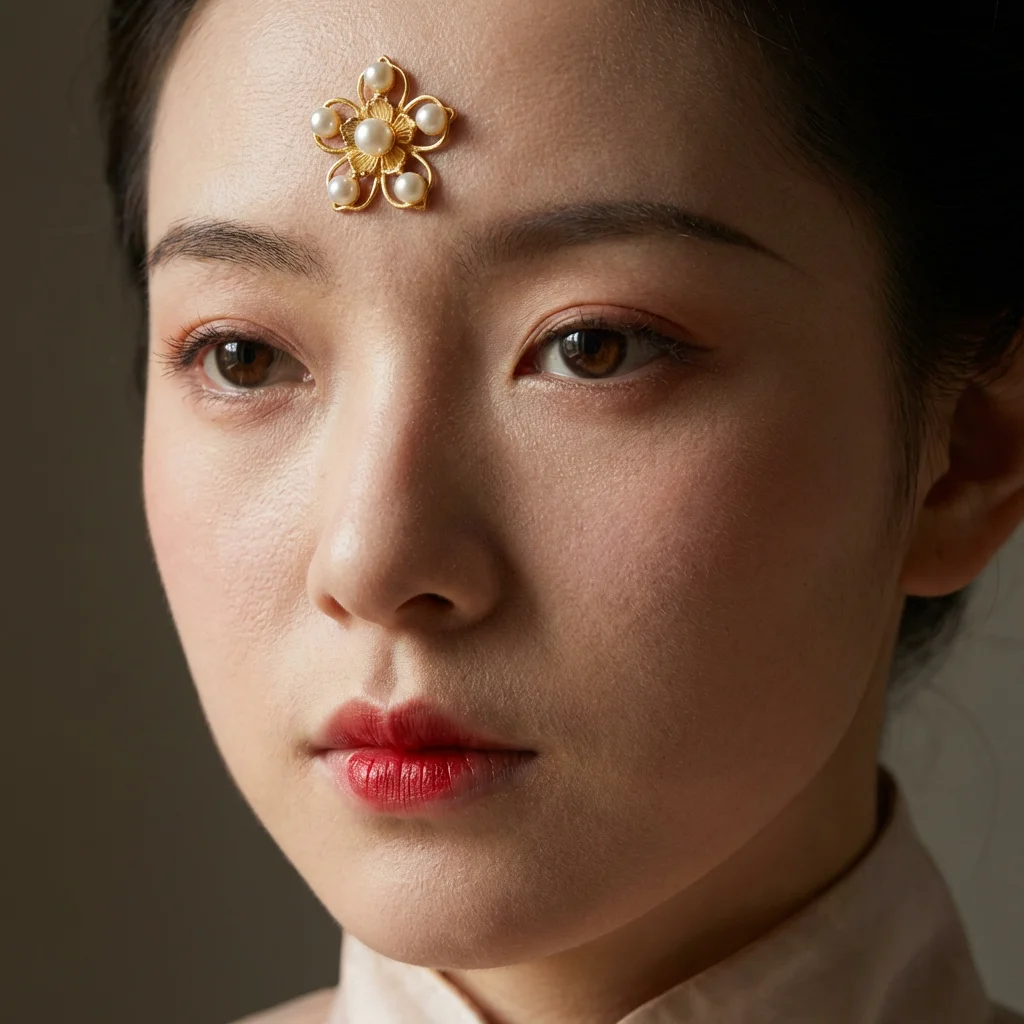
The Zan is a single-pronged hairpin, the most basic yet essential tool for securing a bun. In ancient times, it was also used by men to secure their crowns. The Chai, meanwhile, is a double-pronged hairpin. While the Zan is often simpler, the Chai often features more elaborate decorative heads, such as gold-leaf flowers or jade carvings, making it a centerpiece of the hairstyle.
2. The Buyao: The "Sway with Every Step" Jewel
Perhaps the most romantic of all hair ornaments is the Buyao (literally "sway as you walk"). This is an elaborate hairpin with dangling pendants that tremble and sway with the wearer’s movement. Traditionally made of gold, silver, and pearls, the Buyao was a symbol of high status and grace, as it required the wearer to maintain a slow, dignified pace to keep the pendants moving rhythmically.
3. Tian-tsui: The Shimmering Blue of Kingfisher Feathers
One of the most unique techniques in Chinese jewelry is Tian-tsui (kingfisher feather inlay). Artisans would carefully inlay the iridescent blue feathers of the kingfisher bird onto a gold or silver base. This created a vibrant, shimmering blue color that never fades. Today, for ethical reasons, Hanfu enthusiasts use dyed silk or goose feathers to replicate this stunning "electric blue" effect.
4. Symbolic Motifs: From Phoenixes to Lotus Flowers
Every hairpin tells a story through its motifs. The Phoenix (Feng-huang) represents royalty and feminine power, often reserved for empresses or brides. The Lotus symbolizes purity and spiritual awakening, while the Plum Blossom represents resilience and inner strength. Choosing a hairpin is not just about matching colors; it’s about choosing a blessing to wear in your hair.
5. FAQ: How to Style Hanfu Hair Accessories
Are hairpins enough to hold a bun?
Yes, if the bun is wrapped correctly, a single Zan or Chai can hold it securely! For beginners, using small hidden bobby pins or hair ties first can help provide a stable base for the decorative ornaments.
Can I wear these with modern clothing?
Absolutely! The "New Chinese Style" (Xin-zhong-shi) often blends traditional hairpins with modern dresses or even jeans to add a touch of oriental elegance to daily life.
How do I clean metal hairpins?
Use a soft, dry cloth to wipe away oils after wearing. For silver hairpins that have tarnished, a gentle silver-polishing cloth will restore their original shine.
6. Conclusion
Hanfu hair accessories are small pieces of art that carry a heavy history. They represent the meticulous attention to detail and the pursuit of beauty that has defined Chinese aesthetics for centuries. By adorning your hair with a Zan or a Buyao, you are carrying on a tradition of elegance that will never cease to sway.
From the crown to the face: Next, we explore the world of Hanfu makeup and traditional beauty standards across the dynasties!