


 Posted an update: 2026-4-1 13:39:13 99
More than just a costume, Hanfu is the soul of Chinese clothing. Spanning over 3,000 years, it is a physical manifestation of the aesthetic and philosophical values that have shaped one of the world"s oldest continuous civilizations.
Introduction to Hanfu: The Elegant History and Cultural Significance
Hanfu, or "Han Clothing," refers to the traditional attire of the Han Chinese people. From the era of the Yellow Emperor to the end of the Ming Dynasty, Hanfu evolved through countless styles, yet it always maintained a core philosophy: the harmony between humans and nature. Today, the global Hanfu movement is not just about fashion; it is a cultural homecoming.
1. The Origin: From the Yellow Emperor to the Zhou
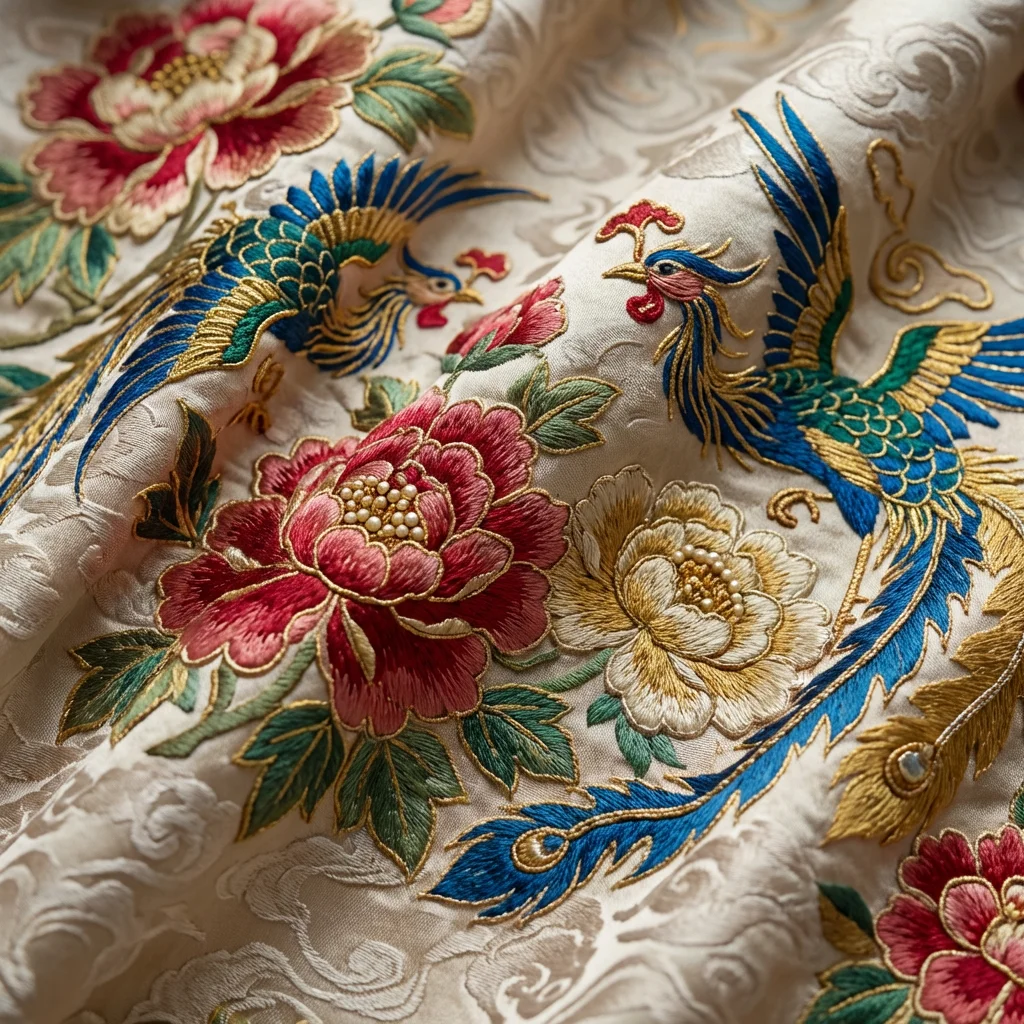
According to legend, Hanfu was created by Leizu, the wife of the Yellow Emperor, who discovered silk. By the Zhou Dynasty, a strict system of dress (Li-Zhi) was established, where the style, color, and fabric of one"s clothing indicated their social status and the occasion. This early period set the foundation for the "cross-collar and right-lapel" style that would define Hanfu for millennia.
2. Philosophy in Threads: Cross-Collar and Right-Lapel
Every element of Hanfu carries symbolic meaning. The cross-collar (Jiao-ling) represents the balance of Yin and Yang. The right-lapel (You-ren) is a distinctive feature of the Han people, while the left-lapel was traditionally reserved for non-Han groups or the deceased. The wide sleeves symbolize a generous spirit, and the straight back seam represents the integrity of a gentleman.
3. The Three Components of Hanfu
A standard Hanfu set usually consists of three layers: the inner garment (Yi), the outer robe (Pao), and the skirt (Chang) or trousers (Ku). Unlike modern fitted clothing, Hanfu is designed to be loose and flowing, using sashes and ties instead of buttons or zippers, which allows the wearer to move with grace and ease.
4. Cultural Significance: More than Just Fabric
Hanfu is a carrier of Huaxia culture. It embodies the Confucian ideals of "propriety" (Li) and "virtue" (De). In ancient times, clothing was seen as a way to regulate the heart and mind. Wearing Hanfu today is a way for the younger generation to reconnect with their heritage and express a unique Chinese identity in a globalized world.
5. FAQ: Understanding Hanfu Basics
Is Hanfu the same as a Qipao?
No. The Qipao (Cheongsam) originated from Manchu clothing in the early 20th century. Hanfu refers to the clothing of the Han people that existed before the Qing Dynasty.
Can anyone wear Hanfu?
Yes! The Hanfu movement is inclusive. Anyone who appreciates the beauty and culture of traditional Chinese clothing is welcome to wear it with respect.
Is there a specific "standard" Hanfu?
There are many styles based on different dynasties (Han, Tang, Song, Ming). Each has its own unique aesthetic, from the ethereal Ruqun of the Tang to the dignified robes of the Ming.
6. Conclusion
Hanfu is a living heritage that continues to evolve. Whether you are a historian, a fashion enthusiast, or someone looking to explore Chinese culture, Hanfu offers a deep and beautiful journey. It is a reminder that even after thousands of years, true elegance never goes out of style.
Inspired by the beauty of the past? Join us in the next article where we break down the four major styles of Hanfu!