


 Posted an update: 2026-4-1 13:27:30 96
In the banquets of the Shang Dynasty, bronze was not just a material; it was a medium for the gods. The incredible variety of ritual wine vessels—from the bird-like Jue to the square Zun—represents the most imaginative era of ancient Chinese art.
Ritual Wine Vessels: A Guide to the Bronze Masterpieces of the Shang
The Shang Dynasty (c. 1600–1046 BC) was a civilization defined by its complex ancestral rituals and its love for fermented grain wine. To serve the spirits of their ancestors, Shang artisans created a vast array of bronze vessels, each with a specific name and function. These objects are characterized by their "otherworldly" decorations and their symbolic power.
1. The Jue and the Gu: Drinking with the Spirits
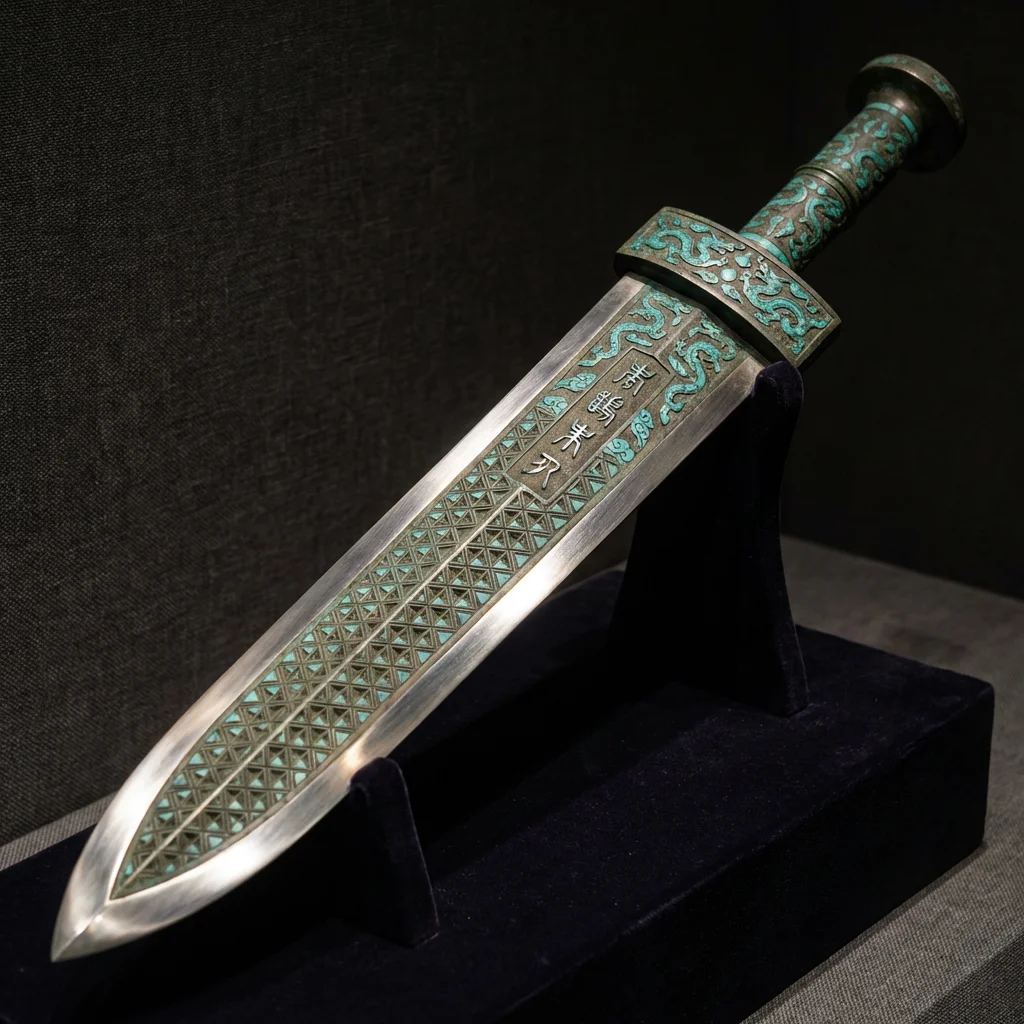
The Jue is perhaps the most famous wine vessel. It stands on three long, pointed legs and has a distinctive spout for pouring. Scholars believe it was used to warm wine over a fire or to pour libations on the ground. The Gu, by contrast, is a tall, slender, trumpet-shaped cup used for drinking. Together, the Jue and Gu formed the core set of ritual equipment for the Shang elite.
2. The Zun: Monumental Wine Containers
While Jue and Gu were for serving and drinking, the Zun was a large storage vessel. Zun often came in spectacular shapes, such as the famous "Four-Goat Square Zun" or owl-shaped versions. These massive containers were placed at the center of ritual altars, symbolizing the abundance of the land and the generosity of the host to both the living and the dead.
3. Zoomorphism: The Owl, the Tiger, and the Dragon
Shang wine vessels are famous for their zoomorphic designs. Animals like the owl were seen as protectors of the night and symbols of war. Tigers represented earth-bound power, while dragons symbolized the water and the heavens. The surface of these vessels is often a "puzzle" of multiple animals hiding within a single Taotie mask, reflecting a worldview where the boundaries between human, animal, and spirit were fluid.
4. Hierarchies of Bronze: Who Could Use Which Vessel?
In the Shang and Zhou "Ritual System," the number and types of bronze vessels you possessed indicated your rank. A king might use a set of nine Dings and eight Gui (grain vessels), while a lower noble might only have three or five. This made bronze not just art, but a political currency that maintained the order of ancient Chinese society.
5. FAQ: Shang Dynasty Wine Vessels
Were these vessels used every day?
Most were reserved for special ritual occasions and funerals. However, simpler versions in pottery were used for daily life.
What is a "Taotie"?
It is a symmetrical mask pattern found on most Shang bronzes. It usually features large eyes, horns, and no lower jaw, though its exact meaning remains a mystery to archaeologists.
How was the wine kept warm?
Many vessels, like the Jue and Jia, have legs that allowed them to be placed directly over charcoal fires to heat the wine before it was offered to the spirits.
6. Conclusion
The ritual wine vessels of the Shang are more than containers; they are expressions of a culture that lived in constant dialogue with the supernatural. Through their intricate bronze shapes, we can still see the smoke of the rituals and feel the reverence of a civilization that saw the divine in every drop of wine. They remain some of the most beautiful objects ever crafted by human hands.
From ritual banquets to the battlefield: Next, we explore the high-tech chariots of the First Emperor, the Qin Dynasty Bronze Chariots!