


 Posted an update: 2026-4-1 13:25:38 103
Cast during the late Shang Dynasty, the Houmuwu Ding stands as the heaviest and most magnificent bronze vessel ever recovered from the ancient world. At 832 kilograms, it is a testament to the industrial scale and ritual power of the Anyang civilization.
Houmuwu Ding: The Zenith of Ancient Chinese Bronze Casting
The Houmuwu Ding (c. 1300–1046 BC) is a monumental rectangular bronze cauldron (ding) discovered in 1939. This colossal object was not intended for daily use; it was a ritual vessel used by kings to honor their ancestors. Its sheer weight and complexity of casting represent the absolute peak of the Shang Dynasty’s "Golden Age" of bronze craftsmanship.
1. The Scale of a Superpower: Technical Specs
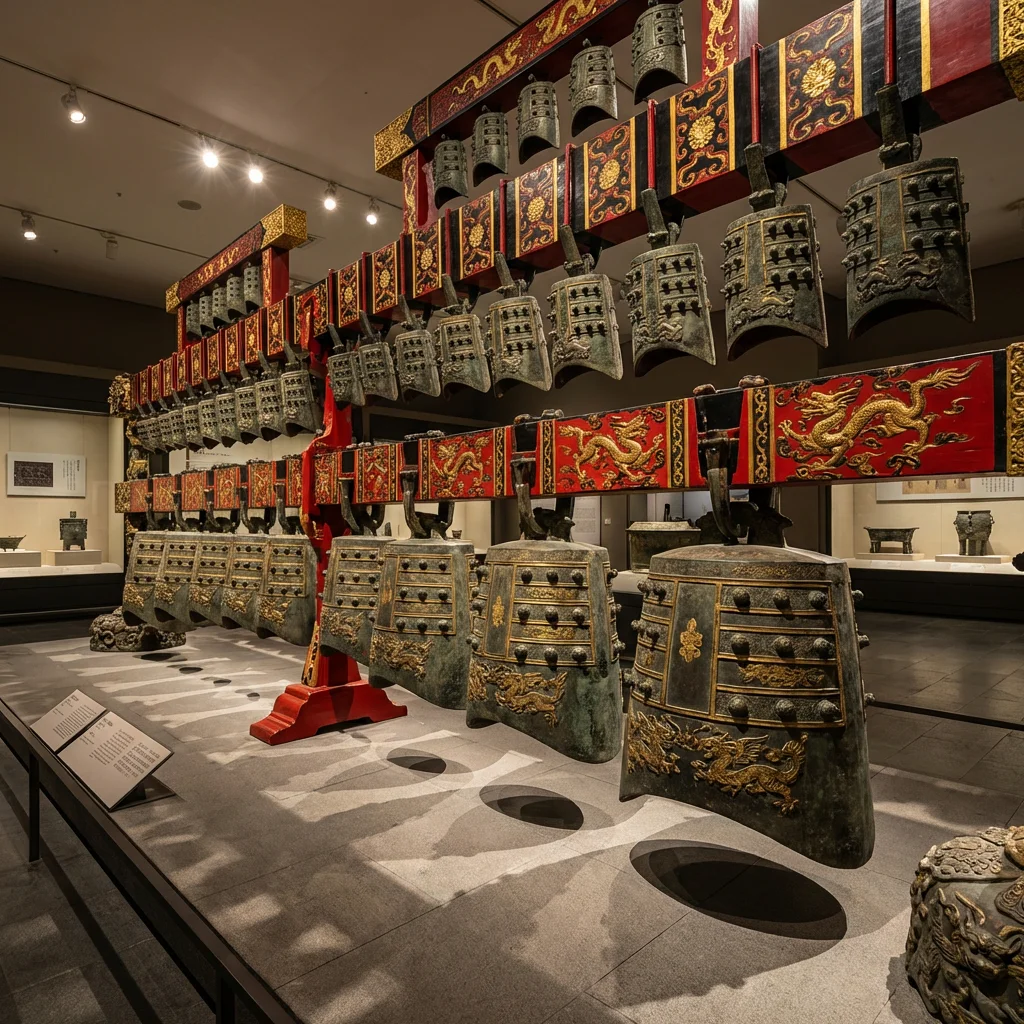
Standing 133 centimeters tall and weighing over 830 kilograms, the Houmuwu Ding is the single largest bronze item from Chinese antiquity. To cast an object of this size, Shang artisans had to melt and pour tons of molten alloy simultaneously using dozens of interconnected furnaces. This feat of engineering demonstrates that the Shang state possessed a highly centralized and efficient industrial infrastructure.
2. Inscriptions and Identity: Honoring the Queen Mother
Inside the vessel, three characters are inscribed: "Hou Mu Wu" (后母戊). This inscription indicates that the ding was cast by a king of the Shang Dynasty—likely King Wu Ding—to honor his mother, Queen Mu Wu. This highlights the central role of ancestral worship and filial piety in the foundation of Chinese political and religious life 3,000 years ago.
3. The Taotie and the Dragon: Ritual Motifs
The exterior of the ding is covered with dense, high-relief decorations. The primary motif is the Taotie, a symmetrical, mask-like beast that combines the features of many animals. On the handles (ears) of the vessel, two tigers are depicted confronting each other, symbolizing the fierce power and protective nature of the ritual cauldron. These patterns were not merely decorative; they were spiritual symbols intended to communicate with the gods.
4. Metallurgical Marvels: The Casting Process
Research shows that the Houmuwu Ding was cast using a sophisticated multi-part mold system. The body was cast first, followed by the legs and handles. The alloy used is a precise blend of copper (84.77%), tin (11.64%), and lead (2.79%), which provided the perfect balance of fluidity for casting and durability for long-term preservation.
5. FAQ: Understanding the Houmuwu Ding
Where is the Houmuwu Ding today?
It is currently a central exhibit at the National Museum of China in Beijing, where it is classified as a Grade-I national treasure.
Was it used for cooking?
While shaped like a cooking cauldron, it was strictly a ritual object. It was likely used for ceremonial offerings of food or meat during ancestral sacrifices.
Can you see the name "Si Mu Wu"?
For many years, the inscription was read as "Si Mu Wu," but modern scholars now agree that "Hou Mu Wu" is the more accurate reading, referring to the "Queen Mother."
6. Conclusion
The Houmuwu Ding is a silent witness to the majesty and organizational brilliance of the Shang Dynasty. It remains the most powerful symbol of the "Bronze Age" of China—a time when fire, metal, and spirit were forged together to create eternal monuments of power. As we stand before its massive frame, we are reminded of the deep roots of Chinese engineering and devotion.
Enthralled by the scale of the Shang? Next, we explore the acoustic perfection of the Bianzhong Chime Bells!