Firing the Flame: The High-Temperature Art of Cloisonne
The most critical and dramatic stage in the creation of a cloisonne masterpiece is the firing. In the high-heat environment of the kiln, the dry, dull enamel powders melt into vibrant, glass-like colors, permanently fusing with the copper body of the vessel.
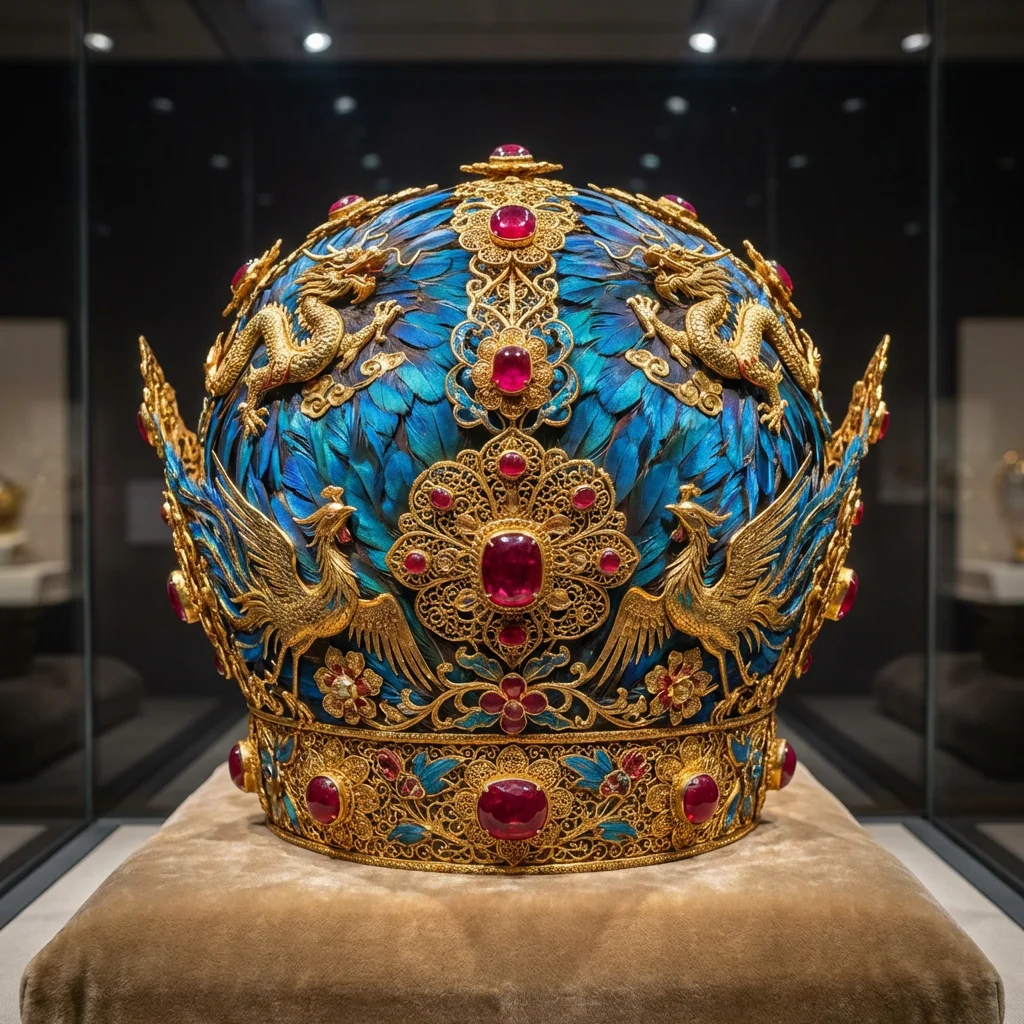
The Science of Enamel and Pigment
Cloisonne enamels are a complex mixture of minerals and glass. During the firing process, different colors reach their melting points at different temperatures. An artisan must carefully plan the sequence of enamel applications to ensure that each color is perfectly fired without causing others to bubble or crack.
Kiln Firing: The Moment of Transformation
The cloisonne piece is fired at temperatures ranging from 800°C to 1,000°C. Because the enamel shrinks as it melts, this process is often repeated three or four times. After each firing, the artisan must refill the "cells" with fresh enamel powder until the surface is flush with the copper wires.
Polishing and Gilding: The Final Brilliance
Once the final firing is complete, the surface is rough and opaque. The artisan then spends days polishing the piece with various stones and sands to reveal the brilliant colors and the golden copper wires. The final touch is the gold plating, which provides a majestic, imperial finish.
Frequently Asked Questions
Can cloisonne be fired in a modern oven?
No, the temperatures required for melting glass-based enamels are far higher than a household oven can achieve. Specialized kilns with precise temperature control are essential for high-quality cloisonne art.
Why does cloisonne need to be fired multiple times?
Enamel powder shrinks by nearly 50% when it melts into liquid glass. Multiple firings and refillings are necessary to ensure that the "cells" (cloisons) are completely full and the surface is perfectly level with the metal wires.
What happens if the firing temperature is too high?
If the kiln is too hot, the enamel can over-melt and flow out of its cells, or the copper body itself can warp or melt. Achieving the perfect balance of heat is the true mark of a master cloisonne craftsman. | 



 Posted an update: 2026-4-7 09:20:23 29