About
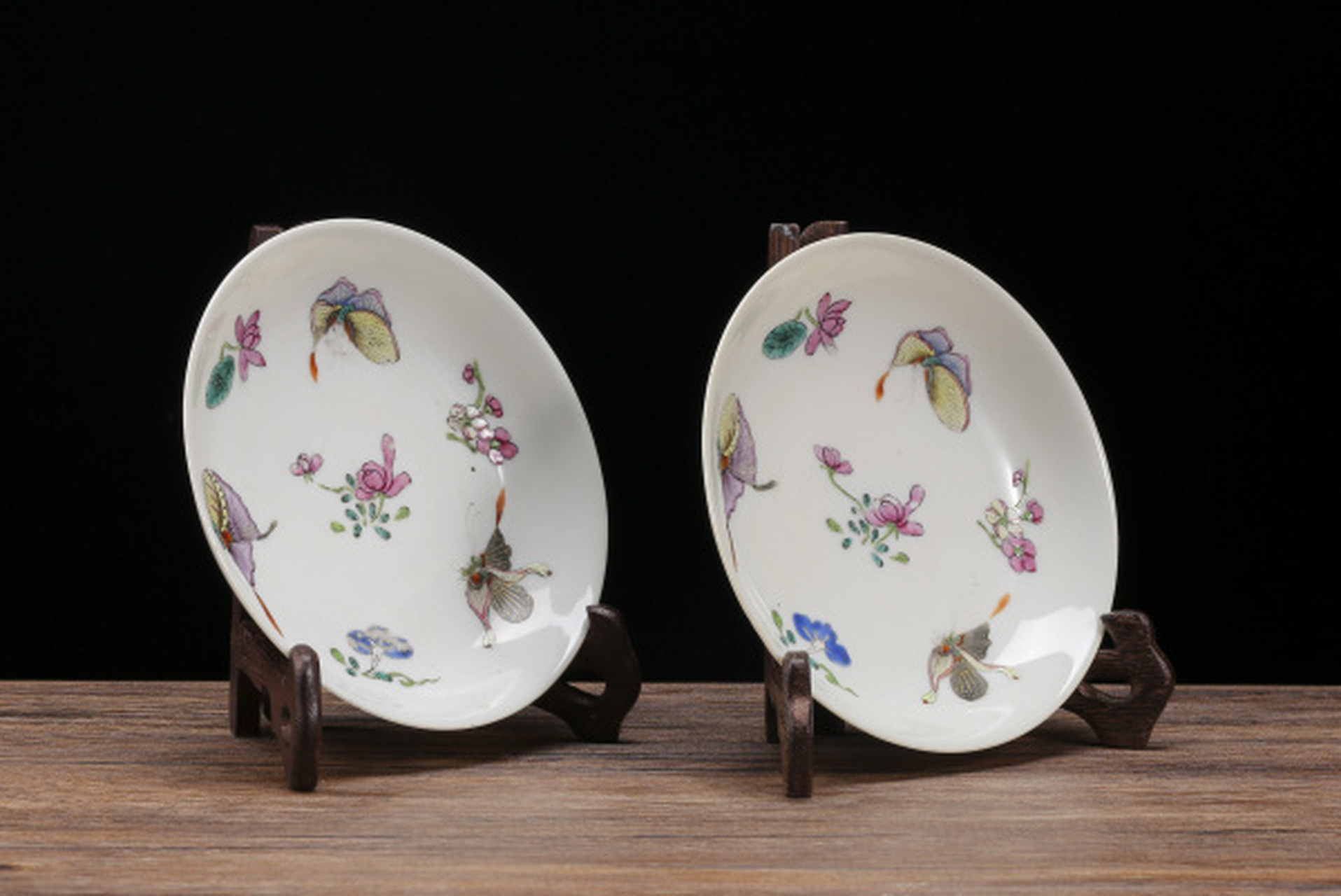
Porcelain refers to glazed or painted wares primarily made of porcelain stone and kaolin clay. As the birthplace of porcelain, China shares the identical spelling of china for porcelain and the country’s English name China, making porcelain an iconic cultural symbol of Chinese civilization.
The history of Chinese porcelain dates back to the mid-Shang Dynasty (the 16th century BC). Early wares featured coarse craftsmanship and low firing temperatures, categorized as proto-celadon, with relics unearthed extensively along the Yellow River and Yangtze River basins. Fully mature porcelain first appeared in the Eastern Han Dynasty (23–220 AD), originating in today’s Zhejiang Province.
The Sui and Tang dynasties witnessed a distinctive industrial layout known as Southern Celadon, Northern White Porcelain: Yue Kilns in southern China specialized in celadon production, while Xing Kilns in the north dominated white porcelain craftsmanship. The Song Dynasty marked the golden age of ancient Chinese porcelain, home to the renowned Five Great Imperial Kilns: Ru, Guan, Ge, Jun and Ding, with numerous kiln workshops spread nationwide.
Jingdezhen rose to prominence in the Yuan Dynasty, when blue-and-white porcelain (cobalt underglaze porcelain) and copper-red underglaze porcelain came into being, kicking off the age of polychrome porcelain. From the Ming through Qing dynasties, Jingdezhen remained China’s core porcelain-making hub. In the Qianlong reign of the Qing Dynasty, Tang Ying, the imperial porcelain supervisor, compiled the Handbook of Porcelain Manufacturing, which documented the complete traditional porcelain-making workflow in detail.
Raw materials for porcelain undergo strict selection, crushing, elutriation and clay ageing before shaping and glazing, followed by kiln firing at temperatures ranging from 1200℃ to 1400℃. Porcelain decorations fall into two main categories: overglaze painting and underglaze painting, fired in either one or two separate kiln sessions.
Since the Tang Dynasty, large quantities of Chinese porcelain were exported overseas via the ancient maritime Ceramic Road to Asia, Europe and the Americas. It profoundly reshaped global daily necessities and fine arts, serving as a crucial medium for ancient Sino-foreign trade and cultural exchange.
Latest News
Jun 01, 2026
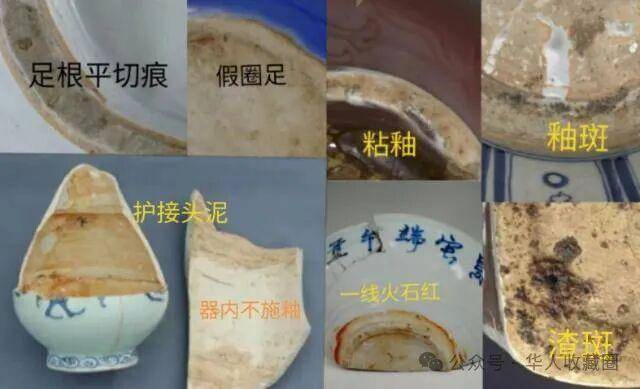
A Practical Guide to Chinese Porcelain Authentication
Jun 01, 2026
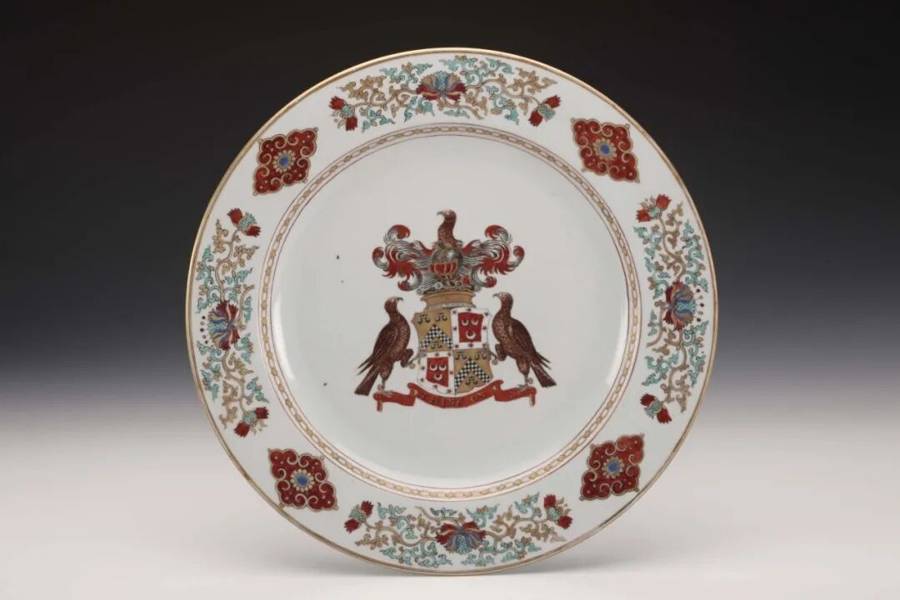
China's Maritime Porcelain Road — Shipwrecks, Trade, and Cross-Cultural Exchange
Jun 01, 2026
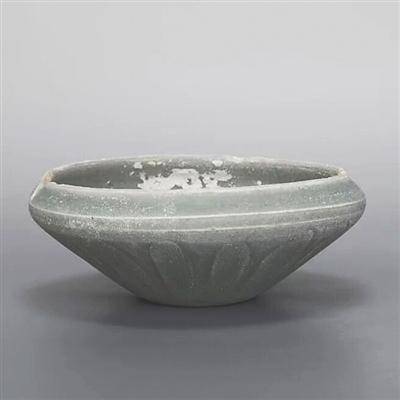
Underwater Porcelain Makes Public Debut at Sanya International Museum Day
Jun 02, 2026