


 Posted an update: 2026-4-1 14:25:10 65
The sun"s warmth captured in a blade. Materials and seasonality are the foundation of straw weaving, where the weaver must understand the soul of the grass before the first braid is made.
The Harvest Grass: Materials, Seasonality, and the Secret of the Straw"s Strength
Not all grass is created equal. In the world of straw weaving, the choice of material is the first and most important decision. From the tall, hollow stalks of **Wheat** to the soft, papery husks of **Corn**, each material has its own personality, its own strength, and its own seasonal window. To be a master weaver is to be a master of the seasons, knowing exactly when the grass is at its peak of flexibility and color.
1. The Varieties of the Field: Wheat, Rice, and Corn
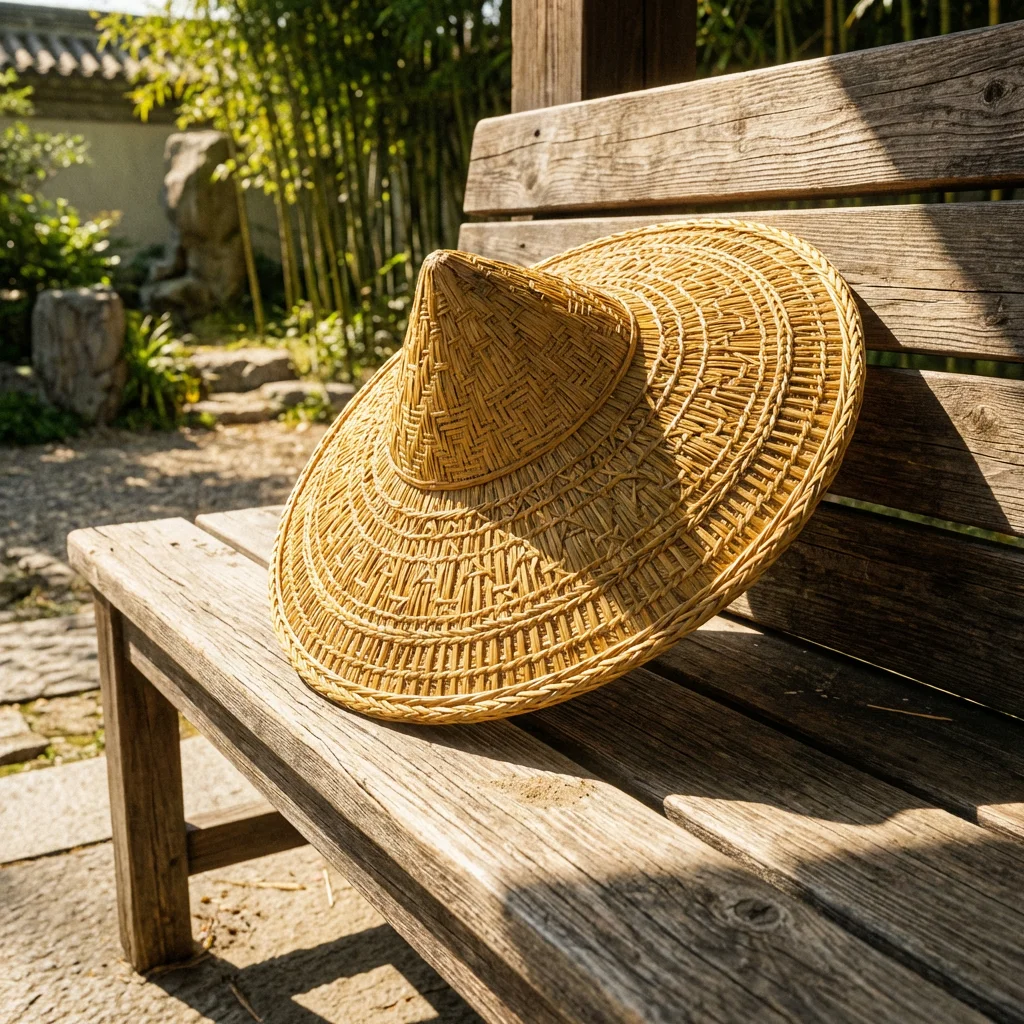
Each type of straw brings a different quality to the weave. **Wheat Straw** (Mai-jie) is prized for its golden luster and its ability to be split into fine, lace-like threads. **Rice Straw** (Dao-cao) is softer and more flexible, making it ideal for the sturdy mats and ropes used in the south. **Corn Husks** (Yu-mi-pi) provide a wide, ribbon-like surface that can be woven into beautiful, textured baskets and bags. Understanding these differences is the foundation of the weaver"s art.
2. The Peak of the Harvest: Why Timing is Everything
The quality of straw is determined by the moment it is cut. If it is cut too early, it is too weak; if it is cut too late, it becomes brittle and loses its golden color. For wheat straw, the ideal time is during the short window between the ripening of the grain and the complete drying of the stalk. This "golden hour" of the harvest ensures that the straw maintains its internal moisture and its natural elasticity, allowing it to be woven into the most complex shapes without snapping.
3. Curing the Grass: The Art of the Sun and the Steam
Once gathered, the straw must be **Cured**. This usually involves a combination of sun-drying and steaming. Sun-drying bleaches the straw to a uniform golden hue and removes excess moisture. Steaming, on the other hand, is used to soften the fibers and to make them more receptive to dyes. Some master weavers even "bury" their straw in specific types of mud to achieve deep, earthy colors. It is a process of slow transformation, preparing the grass for its new life as a work of art.
4. Texture and Color: The Natural Palette of the Straw
Straw has a natural beauty that no synthetic material can match. The subtle variations in color—from pale cream to deep amber—reflect the unique conditions of the soil and the weather during the growing season. The texture can range from the mirror-like smoothness of polished wheat to the rustic, organic feel of braided rice straw. By working with these natural variations, the weaver creates objects that feel "alive" and deeply connected to the landscape where they grew.
5. FAQ: Identifying and Selecting Quality Straw
How can I tell if a straw item is made from quality material?
Look for uniformity in color and a natural luster. If the straw looks dull or has many dark spots, it may have been harvested too late or stored in a damp place. High-quality straw should feel smooth and slightly flexible, not brittle or "scratchy" to the touch.
Is dyed straw as durable as natural straw?
Yes! In fact, the steaming process used for dyeing can often make the straw fibers more flexible. However, ensure that the dyes used are natural or high-quality, as cheap chemical dyes can weaken the straw over time and may fade quickly in the sun.
Where is the best straw grown in China?
The wheat straw of **Shandong** and **Hebei** is world-famous for its strength and color, while the rice straw of **Zhejiang** and **Sichuan** is prized for its softness. Ultimately, the "best" straw is the one that is most suited to the specific type of weaving being performed.
6. Conclusion
The materials and seasonality of straw are the hidden soul of the craft. They show us that to create something beautiful, we must first respect the natural cycle of the world. As we hold a straw basket, we are holding a piece of the harvest, captured at its perfect moment of strength and grace. Straw is the sun"s gift, refined by the weaver"s knowledge and the patience of the curing fire.
From the material to the fashion: Next, we explore the Iconic Summer Shield—The Straw Hat!