


 Posted an update:
 Chinese porcelain was the first truly global luxury commodity. For over a millennium, it traveled along the Maritime Silk Road, bridging the gap between East and West and influencing the dining habits, interior design, and artistic tastes of cultures across the globe.
Table of Contents
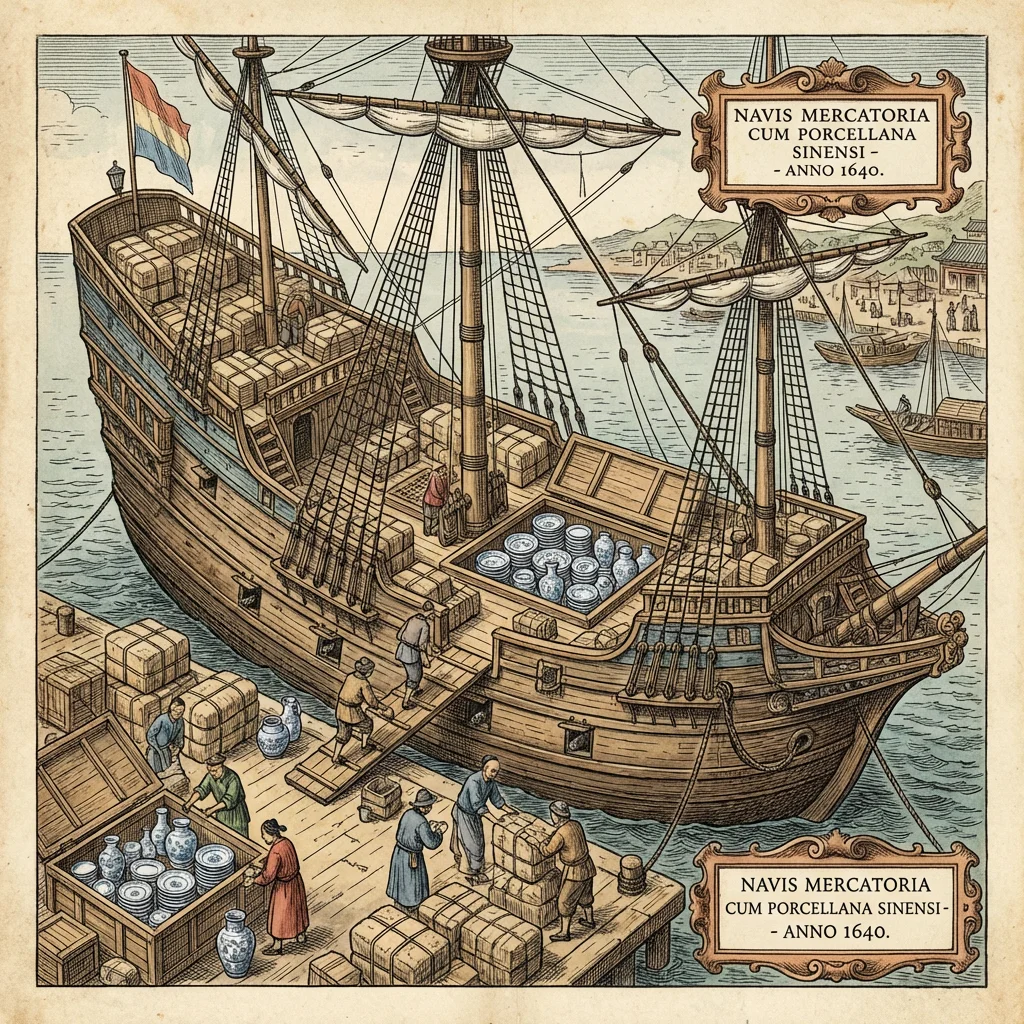
1. The Maritime Silk Road
While silk traveled overland, porcelain"s weight and fragility made it better suited for sea transport. From the Tang Dynasty onwards, huge quantities of porcelain were shipped from southern Chinese ports like Quanzhou and Guangzhou to Southeast Asia, India, the Middle East, and East Africa. These "Ceramic Routes" were the lifeblood of international trade.
2. Kraak Ware and the Dutch East India Company
By the 17th century, the Dutch East India Company (VOC) began importing massive amounts of "Kraak" ware—a specific style of blue and white porcelain with paneled decorations. Named after the Portuguese ships (Carracks) the Dutch captured, this porcelain was specifically made for the European market, often featuring Western shapes like beer mugs and salt cellars.
3. Impact on European Culture
The arrival of Chinese porcelain changed European life forever. It spurred the development of European "Chinoiserie" style and led to the founding of famous porcelain factories like Meissen and Sèvres. Most importantly, it influenced the "Tea Revolution," as porcelain was the only material that could withstand boiling water without cracking or altering the flavor.
4. Frequently Asked Questions
Q: What is "Canton Ware"?
A: It refers to porcelain that was made in Jingdezhen but sent to Guangzhou (Canton) to be painted with colorful "Famille Rose" or "Famille Verte" enamels specifically for Western export.
Q: Is export porcelain lower quality?
A: Not necessarily. While some mass-produced "trade ware" was simpler, many commissioned pieces (like those with family crests) were of extremely high quality.