


 Posted an update:
 The creation of a single porcelain vessel is a symphony of 72 traditional steps, a process that involves a massive division of labor. As the ancient saying goes, "Each piece must pass through 72 hands before it is finished." This meticulous attention to detail ensures the peerless quality of Chinese porcelain.
Table of Contents
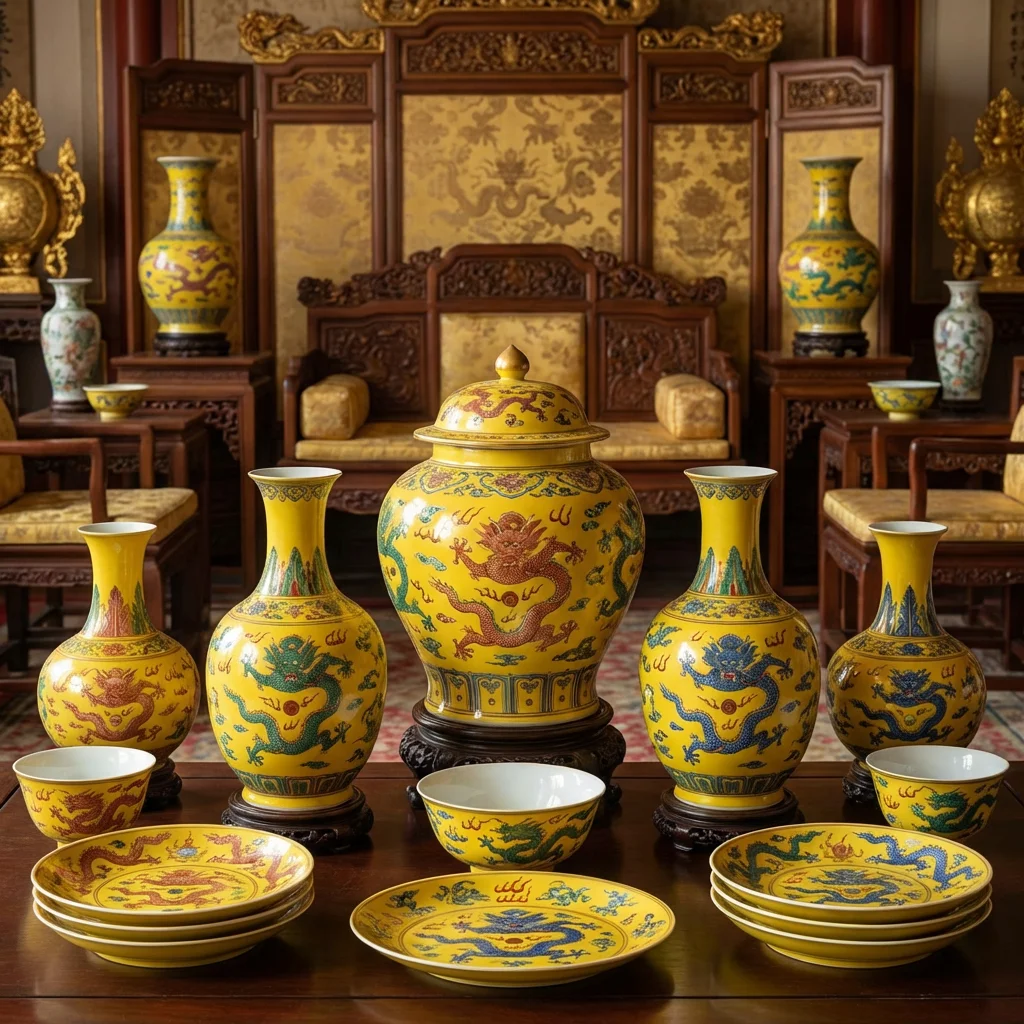
1. Preparing the Clay and Stone
The process begins in the mountains, where kaolin clay and petuntse (porcelain stone) are mined. These materials are crushed into fine powder using water-powered hammers (trip-hammers), then washed and formed into bricks called "Pai-tun." These are then aged for years—sometimes decades—to improve their plasticity.
2. Throwing and Trimming
A master potter "throws" the vessel on a fast-spinning wheel, using only their hands and a few simple wooden tools. Once the piece is "leather-hard," a trimmer uses iron tools to shave the walls to a precise thickness and carve the foot rim. This step is critical for ensuring the vessel won"t warp or crack during firing.
3. The Alchemy of the Kiln
Firing is the most dangerous and decisive stage. Pieces are placed in fire-clay containers called "saggars" to protect them from ash. The "Dragon Kiln" or "Egg-shaped Kiln" is fired for days using pine wood. The "Kiln God" (the head firer) must read the color of the flames to know when to add wood or dampen the draft. One wrong move, and the entire kiln load could be ruined.
4. Frequently Asked Questions
Q: Why is kaolin so important?
A: Kaolin is a refractory clay that gives the porcelain its strength and allows it to maintain its shape at the extreme temperatures required for vitrification.
Q: How long does the firing take?
A: A traditional wood-firing cycle can take up to 3 days for heating and another 3-4 days for the kiln to cool down slowly enough to prevent the porcelain from shattering.