


 Posted an update: 2026-4-1 14:07:26 104
A room is a canvas, and the screen is the brush. Screens and panels (Ping-feng) are the elegant dividers of traditional Chinese life, where the art of the wood carver meets the intimacy of the home.
Screens and Panels: Dividing Space with Art and the Cultural Elegance of Ping-feng
The screen is one of the most important elements of traditional Chinese interior design. Used to divide large halls into smaller, more intimate spaces, or to provide privacy and protection from drafts, the screen has also always been a major platform for artistic expression. From the massive throne screens of the emperor to the delicate folding screens of a scholar"s study, Ping-feng are the furniture of the soul, combining function with the highest levels of wood carving and painting.
1. The Folding Screen: Mobility and Art
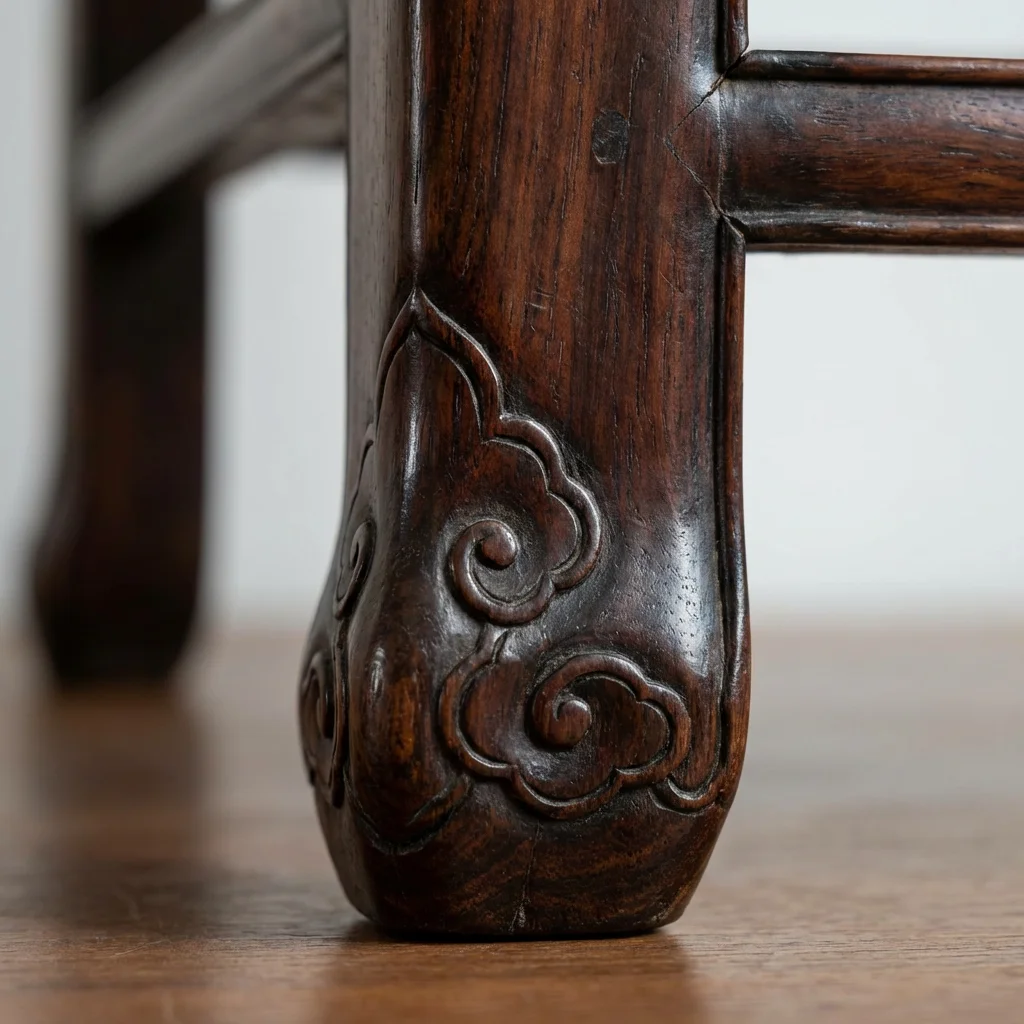
The **Folding Screen** (Zhe-die-ping) is famous for its versatility. Consisting of several panels connected by hinges, it can be expanded or contracted to fit any space. Each panel is a frame for the wood carver"s art. Often, the lower panels are carved with robust patterns, while the upper panels feature delicate lattice work or "pierced" scenes that allow light and air to pass through. This balance of the solid and the ethereal is the core of the screen"s beauty.
2. Carving the Narrative: Stories on the Wall
A set of screen panels often tells a continuous story. For example, a 12-panel screen might show the different stages of a famous historical battle or the twelve months of the year. The carver uses the frame of the panel to create a sense of movement and sequence, turning the furniture into a "frozen film" of cultural history. These narrative screens were the centerpieces of wealthy homes, serving as both art galleries and educational tools for the family.
3. The Throne Screen: Majesty and Power
The most grand of all screens are the **Throne Screens** found in the Forbidden City. These massive, multi-paneled structures were carved from the finest hardwoods and often covered in gold leaf or inlaid with jade and mother-of-pearl. Placed directly behind the emperor"s throne, the screen served to frame the ruler and project his authority to the entire hall. The themes were always of the highest status—dragons, phoenixes, and the cosmic symbols of the empire"s stability.
4. Symbolism: The Screen as a Shield
Beyond privacy, screens were also believed to have a spiritual protective function. In the practice of Feng Shui, a screen placed near the entrance of a house or a room was used to slow down the flow of "Qi" and prevent negative energy from entering directly. The carvings on these screens often included protective symbols like the Ba-gua, the lion, or the bat (symbol of good fortune), making the screen a physical and spiritual shield for the inhabitants.
5. FAQ: Appreciating Traditional Chinese Screens
Can I use a traditional screen in a modern home?
Yes! A traditional wood-carved screen is a beautiful and functional addition to any modern interior. It can be used as a headboard for a bed, a divider in a studio apartment, or even as a large-scale piece of wall art. Its timeless patterns blend perfectly with both traditional and contemporary styles.
How do I care for the hinges on an old screen?
Traditional hinges are often made of silk ribbons or small metal pins. If they become loose or dry, they can be carefully replaced or lubricated with a tiny amount of natural wax. Avoid using modern chemical oils, which can seep into the wood and damage the carving.
What is the meaning of the "Four Seasons" motif on screens?
The Plum (Winter), Orchid (Spring), Bamboo (Summer), and Chrysanthemum (Autumn) are the "Four Gentlemen" of Chinese art. They represent resilience, humility, integrity, and nobility, and are one of the most common and beloved themes for carved screen panels.
6. Conclusion
The screen is the bridge between the architecture of the house and the furniture of the room. It shows us that even a wall can be a work of art, and that privacy can be beautiful. As we admire the intricate carvings on a folding screen, we are looking at the layered elegance of traditional Chinese life. The screen divides the room, but it also unites the space with the spirit of the artist.
From the screen to the seat: Next, we explore the Beauty of Ming and Qing Styles—Furniture Carving!