


 Posted an update: 2026-4-1 14:04:55 105
The forest is alive with stories. In the hands of a Chinese master, a simple block of wood is turned into a masterpiece of warmth, depth, and spirit.
Chinese Wood Carving: The Soul of the Forest in Architecture and Art
Chinese wood carving (Mu-diao) has been a vital part of our culture for over 3,000 years. Unlike the cold permanence of stone, wood is warm, breathing, and intimate. It has been used to frame our houses, decorate our temples, and create the furniture of our daily lives. From the massive beam carvings of the Ming Dynasty to the delicate miniature figurines of today, wood carving is the art that brings the energy of the natural world into the heart of the home.
1. The Material: From Sandalwood to Pine
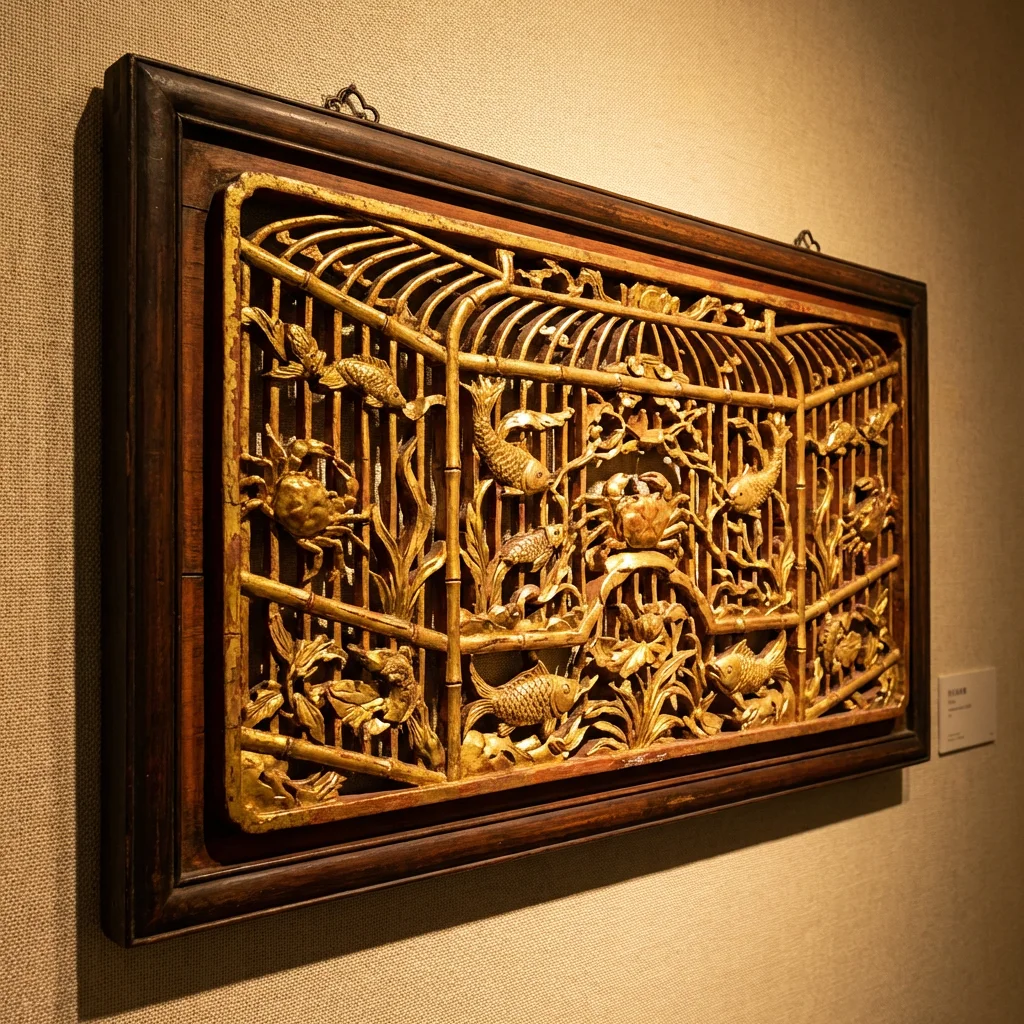
The choice of wood is the first step in the carving process. For high-end furniture and imperial work, precious hardwoods like Rosewood (Hua-li) and Sandalwood (Tan-mu) are preferred for their density and fine grain. For architectural work, more durable and lighter woods like pine, cedar, and cypress are used. A master carver must understand the "character" of each wood—its hardness, its scent, and how its grain will interact with the chisel.
2. Architecture: The Supporting Art
In traditional Chinese architecture, wood carving is not just decorative; it is often structural. The brackets (Dou-gong), the beams (Liang), and the columns (Zhu) of a temple or palace are almost always decorated with intricate relief work. These carvings serve to lighten the visual weight of the massive structure, turning a functional building into a soaring work of art that represents the hierarchies of heaven and earth.
3. Regional Mastery: The Great Schools of Carving
China is home to several distinct schools of wood carving. Dongyang carving is known for its multi-layered relief; Chaozhou for its gilt-gold splendor; Hui-style for its scholarly elegance; and Jianchuan for its robust, ethnic spirit. Each region uses the local wood and the local culture to create a style that is unique and immediately recognizable. These regional variations are a testament to the incredible diversity of the Chinese craft tradition.
4. Tools and Techniques: The Dance of the Blade
A wood carver"s toolkit contains hundreds of specialized chisels and knives, each with a different shape and edge. The techniques range from simple line carving to deep "pierced relief" (Tou-diao), which creates a three-dimensional effect that can be seen from both sides. This level of skill requires a perfect coordination of hand and eye, as a single slip of the blade can ruin a piece of work that has taken months to create.
5. FAQ: Appreciating Chinese Wood Carvings
How do I care for my wood carvings?
Wood is a living material and is sensitive to changes in humidity and temperature. Keep your carvings away from direct sunlight and heaters. Occasionally applying a thin layer of high-quality wax or tung oil will help protect the wood and maintain its natural luster.
Can I tell real wood from plastic or resin?
Real wood has a distinct grain that is slightly uneven and naturally complex. Resin reproductions will have a uniform, "perfect" look and will feel warmer and lighter than real wood. If you look closely, you should see the tiny tool marks from the carver"s chisel on a handmade piece.
Why do some carvings have a strong scent?
Many traditional woods—like camphor, sandalwood, and cypress—contain natural oils that have a beautiful, long-lasting scent. This scent is not only pleasant but also acts as a natural repellent for insects, helping the carving to survive for centuries.
6. Conclusion
Wood carving is the art of the forest, refined by the human spirit. It is a reminder that beauty can be found in the most humble of materials if we have the patience and the vision to see it. As we touch the grain of a carved rosewood screen, we are touching the memory of the earth. Wood is the warmth of our history, and we have turned it into an eternal song.
From the forest to the palace: Next, we explore the Multi-layered Mastery of Dongyang Wood Carving!