


 Posted an update: 2026-4-1 14:20:37 94
The past is the seed of the future. Bamboo in modern design is the ultimate eco-revolution, where ancient weaving techniques are used to build the sustainable world of the 21st century.
Bamboo in Modern Design: The Ultimate Eco-Material and the Sustainable Future of Architecture and Art
In a world searching for alternatives to plastic and concrete, bamboo has emerged as the hero of modern design. Known as "Green Steel" for its incredible strength-to-weight ratio, bamboo is being rediscovered by architects, industrial designers, and fashion houses. By combining traditional weaving skills with modern engineering, we are creating a new visual language that is both ancient and futuristic. Bamboo is not just a heritage craft; it is the material that will build our sustainable future.
1. Green Steel: The Architecture of the Future
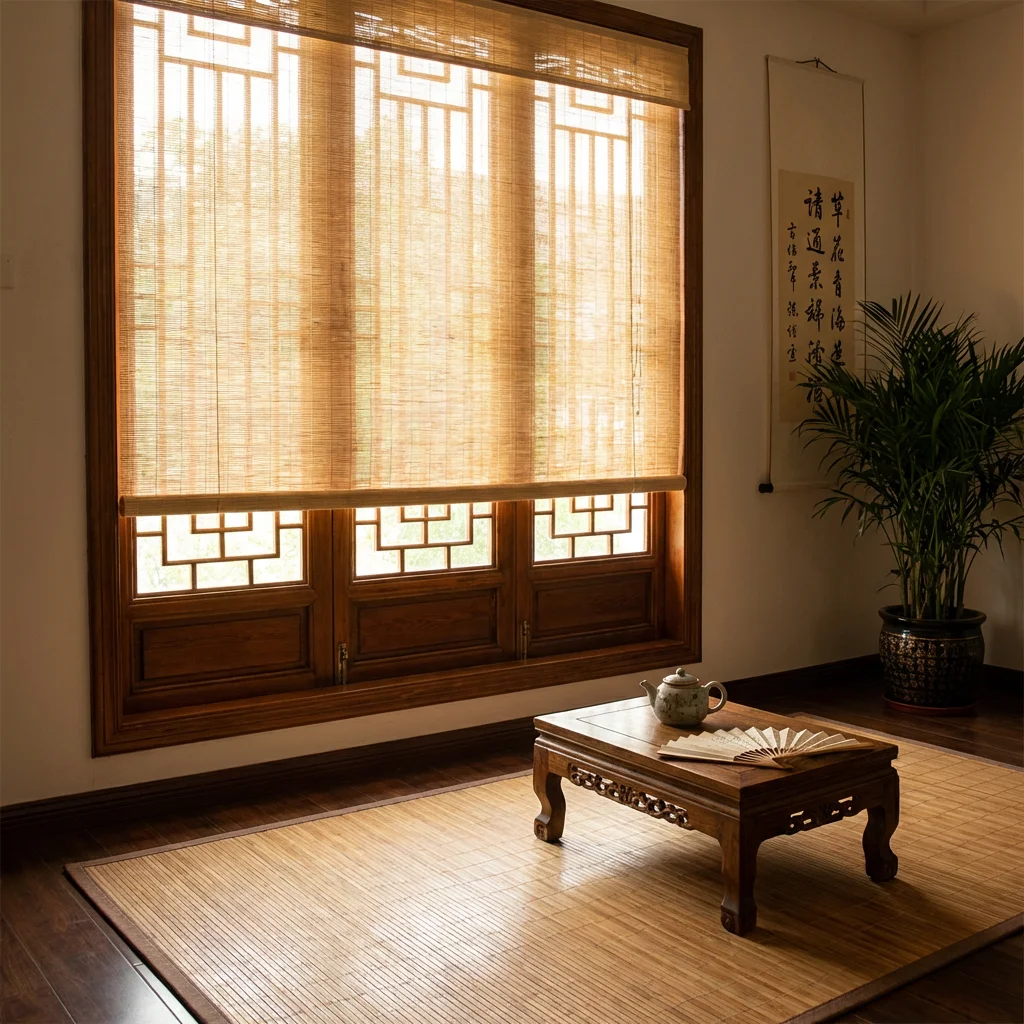
Modern architects are using bamboo to create massive, sweeping structures that were previously only possible with steel and concrete. Because bamboo is flexible, it can be bent into dramatic organic shapes that blend perfectly with the natural landscape. From eco-resorts in the tropics to urban pavilions in the city, **Bamboo Architecture** is proving that we can build large-scale, durable buildings that actually sequester carbon instead of producing it. It is the "Green Steel" that will define the skyline of the next century.
2. Industrial Design: Replacing Plastic with the Forest
In our daily lives, bamboo is replacing plastic in everything from keyboards and mouse-pads to bicycle frames and sunglasses. These products use the natural dampening properties of bamboo to provide a better user experience while being 100% biodegradable. Designers are also using traditional bamboo weaving to create high-end acoustic panels and lighting fixtures, where the organic patterns of the weave provide perfect sound diffusion and a warm, natural glow. It is a return to a more intimate and healthy relationship with our tools.
3. Fashion and Interior: The Neo-Oriental Aesthetic
Bamboo is also taking the world of fashion and interior design by storm. High-fashion houses are using bamboo-fiber fabrics for their softness and sustainability, while modern interior designers are using large-scale bamboo weaving for feature walls and ceilings. This "Neo-Oriental" aesthetic is not about copying the past, but about using the essence of the bamboo—its lightness, its texture, and its spirit—to create spaces that feel calm, open, and connected to the natural world.
4. 3D Printing and Lamination: The New Technology of Bamboo
The future of bamboo is being written in the laboratory. By turning bamboo fibers into filaments for **3D Printing**, we can create complex structural components that are both incredibly strong and environmentally friendly. Lamination techniques have also allowed us to create "Engineered Bamboo" that is more stable and fire-resistant than traditional timber. These technological advances are making bamboo a viable material for every part of modern industry, from aerospace to high-speed rail.
5. FAQ: Embracing Bamboo in Modern Life
Is modern bamboo furniture really as strong as wood?
Yes! In many cases, engineered bamboo is even stronger and more stable than traditional hardwoods like oak or maple. It is also more resistant to warping and cracking, making it an excellent choice for modern homes and commercial spaces.
How can I support the bamboo revolution?
Choose products made from certified sustainable bamboo. Look for designers and brands that are transparent about their sourcing and their use of traditional artisans. By voting with your wallet, you are helping to build a market for sustainable materials and cultural heritage.
Will bamboo products attract insects?
Modern bamboo products are treated with high-heat steam or natural borates to remove the sugars that attract insects. This process makes the bamboo completely safe and durable for indoor and outdoor use without the need for toxic chemical pesticides.
6. Conclusion
Bamboo is the material of hope. It shows us that the solutions to our modern environmental problems can be found in the ancient wisdom of our forests. As we look at the bamboo structures of the future, we are looking at a world that is light, resilient, and in harmony with the earth. Bamboo is the bridge between the wisdom of our ancestors and the needs of our grandchildren. The future is green, and it is made of bamboo.
The final weave: Next, we conclude our series with a look at how we are keeping the grass flexible for centuries in the Preservation of Bamboo!