


 Posted an update: 2026-4-1 13:50:45 100
Under the warm sun of southern China, a vibrant and golden art form was born. Yue Embroidery (Yue-xiu), also known as Cantonese Embroidery, is the boldest and most sun-drenched of the Four Famous Embroideries.
Yue Embroidery: The Golden Splendor of Cantonese Silk and the Hundred Birds
Hailing from the Guangdong region, Yue Embroidery is a masterpiece of light, color, and texture. Influenced by the cosmopolitan spirit of the southern ports, this style is characterized by its rich, symmetrical designs and its heavy use of gold and silver threads. It is an art of celebration, often featuring the mythical phoenix and the vibrant birds of the tropical south.
1. Gold and Silver Threads: The Luxury of Yue
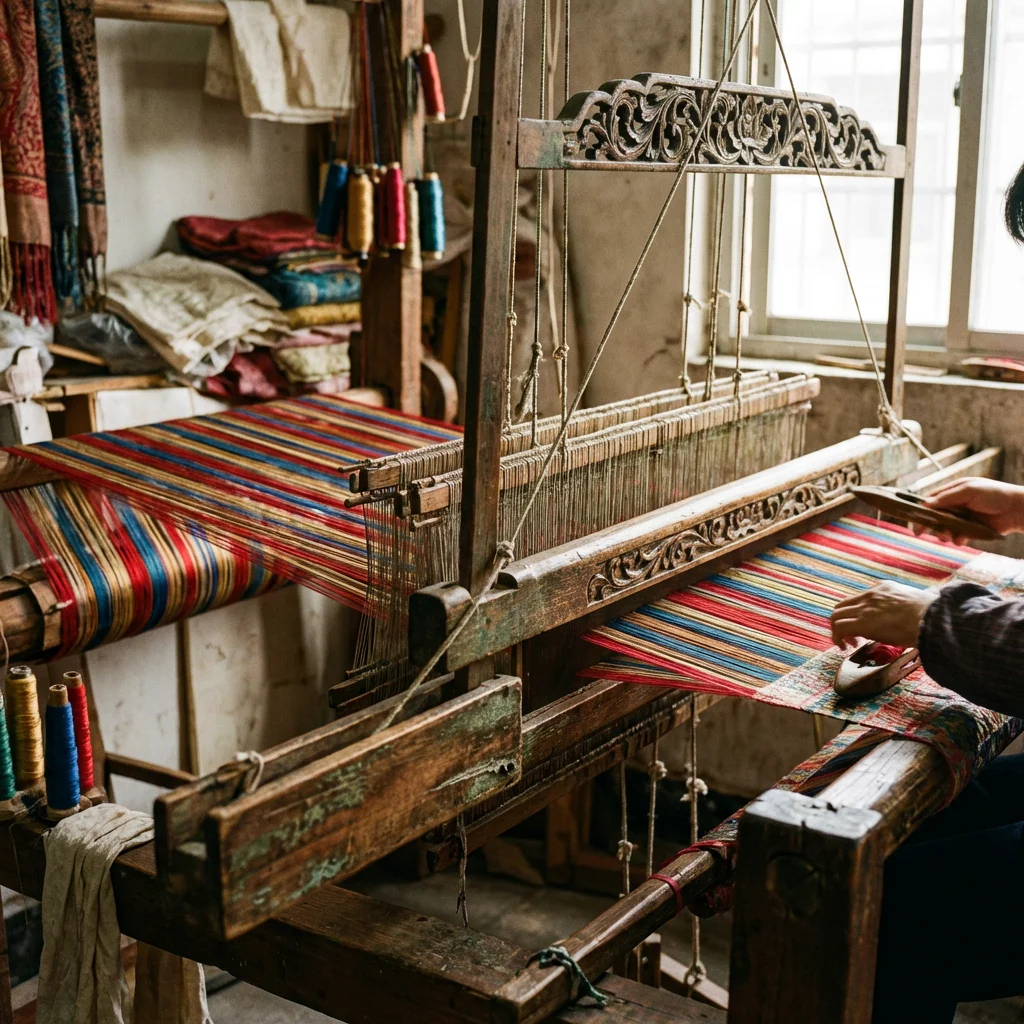
One of the most recognizable features of Yue Embroidery is the extensive use of gold and silver threads. These are made by wrapping fine metal foil around a silk core. When woven into the fabric, they create a shimmering effect that changes as the viewer moves. This "Gold and Silver Embroidery" (Jin-yin-xiu) was traditionally used for the robes of royalty and the costumes of the Cantonese Opera, symbolizing the wealth and prosperity of the southern coast.
2. The Hundred Birds Paying Homage: A Signature Theme
If Su has its cats and Xiang has its tigers, Yue has its birds. The most iconic theme is the "Hundred Birds Paying Homage to the Phoenix" (Bai-niao-chao-feng). This complex composition features a central, magnificent phoenix surrounded by dozens of different bird species—peacocks, cranes, orioles, and more. Each bird is rendered in vibrant, high-contrast colors, creating a sense of joy and universal harmony.
3. Symmetry and Structure: The Southern Aesthetic
Reflecting the structured nature of Cantonese architecture and social life, Yue Embroidery often features symmetrical and densely packed compositions. There is very little "white space" left on the silk. This "fullness" (Man) is seen as a blessing, representing abundance and the fulfillment of one"s wishes. The patterns are often framed by intricate floral borders that add to the sense of opulence.
4. Three-Dimensional Textures and Mixed Materials
Yue artisans are masters of texture. They often use thicker threads or layer their stitches to create a three-dimensional effect. Some pieces even incorporate mixed materials like peacock feathers or horsehair to add unique visual and tactile qualities. This experimental and innovative spirit is a hallmark of the Lingnan (Cantonese) culture, which has always been open to new ideas and materials.
5. FAQ: Appreciating Yue Embroidery
How can I tell Yue from Su embroidery?
Su is subtle and realistic with fine lines. Yue is bold and decorative with vibrant colors and heavy use of gold and silver threads. Yue pieces also tend to have a more "packed" and symmetrical layout.
Is Yue embroidery only for decorations?
While often used for wall hangings and screens, it is also highly prized for traditional Cantonese wedding dresses (Qun-kua), which are covered in gold and silver embroidery to bring luck to the bride.
Are the metal threads real gold?
In high-end museum pieces, yes, real gold foil was used. Today, high-quality copper or alloy foils with a gold coating are more common, providing the same shimmer without the extreme cost.
6. Conclusion
Yue Embroidery is a celebration of life in silk. It is a vibrant reminder of the rich cultural heritage of southern China and its role as a bridge to the wider world. Whether in a wedding dress or a grand opera costume, the golden threads of Yue continue to shine with the pride of the Cantonese spirit.
Heading west to the mountains: Next, we explore the smooth and elegant heritage of Shu Embroidery and its famous pandas!