Li Kuchan: From Rickshaw Puller to Master of Chinese Ink Painting — How Suffering Forged a Legend
Heritage News
Editorial Team
Hardship, it is said, shapes a life. But hardship does more than shape lives — it carves the very soul of art. Only those who have weathered the frost and grinding stones of existence can draw from the deep well of lived experience, producing works of weight and profundity. Artists, by nature sensitive and emotional, must open their inner antennae to capture the small but moving details of life, transforming those sensations into the visual language of brush and ink. A path strewn with adversity seems to be the inevitable rite of passage through which an artist transcends the ordinary. In the history of Chinese ink painting, one master lived precisely this truth — his life burdened with misfortune, yet crowned with an artistic achievement that left the world in awe. That master was Li Kuchan.
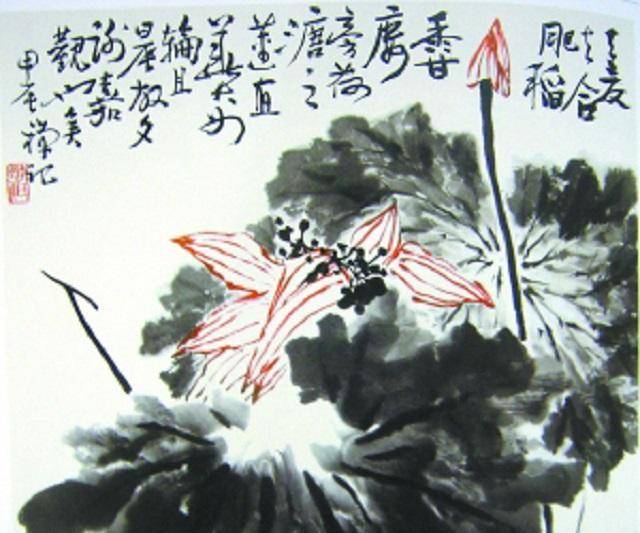
Born into Poverty, Forged in Tenacity
Li Kuchan's life was bound to the word "bitter" (苦, kǔ) from the very beginning. He was born in 1899 into a poor farming family in Shandong Province, given the birth name Li Yingjie, courtesy name Chaosan. Growing up in material scarcity, he nonetheless displayed a remarkable gift for painting from childhood. Neither his parents nor his relatives placed any faith in his artistic aspirations — to a struggling household, the pursuit of painting seemed little more than a waste of scarce resources. Yet Li Kuchan was unyielding. He followed the calling of his heart, embarking on what would become a long and arduous artistic pilgrimage.
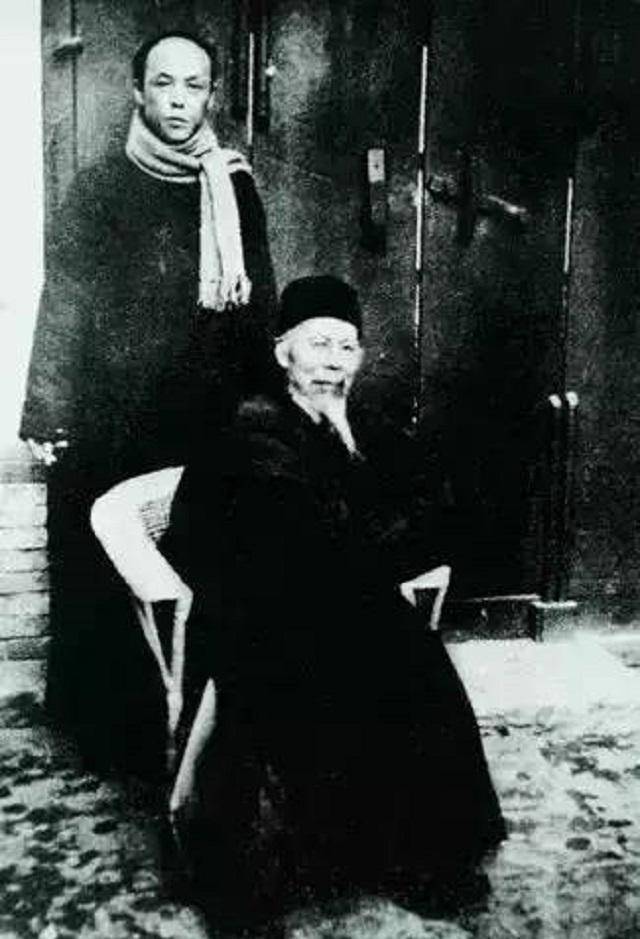
His diligence bore fruit. In 1916, his talent caught the eye of the ink painter Sun Zhanqun, who accepted him as a disciple with a focus on lotus painting. Over six years of apprenticeship, Li Kuchan's gift and resilience shone ever brighter. He subsequently passed the entrance examination to the Western Painting Department of the Beijing School of Fine Arts. But his family could not afford the tuition. To pay his way, he pulled a rickshaw through the streets of Beijing at night, trading exhaustion for the means to continue his studies.
The Name "Kuchan" — Bitterness and Zen
In that era, the luxury of studying art belonged almost exclusively to the wealthy. While his classmates savored the carefree pleasures of youth and scholarship, Li Kuchan's every spare hour was consumed by the struggle to survive. Yet his perseverance moved his peers. They bestowed upon him the sobriquet Kuchan — "bitter Zen" — as both an acknowledgment of his circumstances and an act of encouragement. Li Kuchan embraced the name wholeheartedly, adopting it as his own. In those two characters he found a personal creed: to transmute life's bitterness through the equanimity of Zen, turning adversity into the creative fuel that would power his art.
Taken Under the Wing of Qi Baishi
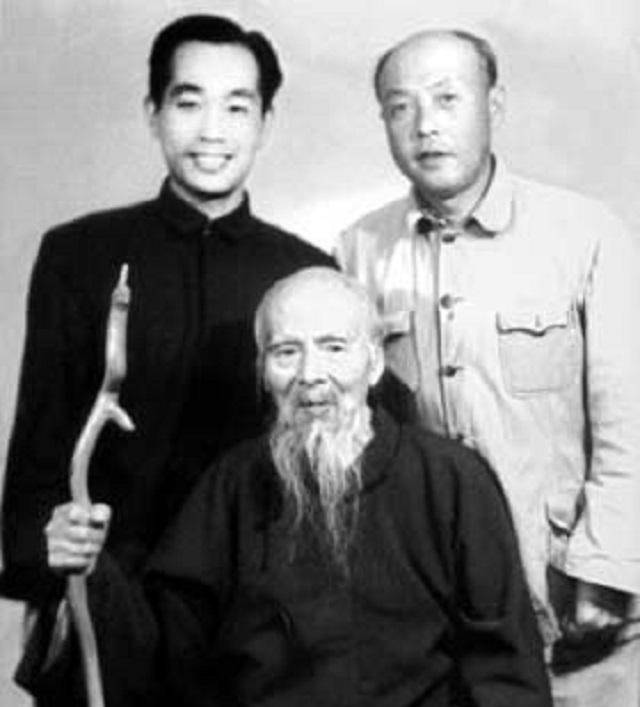
Li Kuchan's perseverance did not go unnoticed in higher circles. In his second year at the Beijing School of Fine Arts, the great ink painting master Qi Baishi took notice of the young man's work. Li Kuchan set his heart on becoming Qi's disciple and called at his home repeatedly. The only problem: he was too poor to bring a proper gift. When Qi Baishi learned of this, he was moved by the young man's sincerity — and discovered, moreover, that the two men shared the same hometown in Hunan. Without hesitation, Qi Baishi accepted him. Li Kuchan, overwhelmed with gratitude, knelt and kowtowed on the spot. Thereafter, Qi Baishi waived his tuition entirely and regularly invited him to dine at his home, nurturing the young talent with extraordinary generosity. Under this patronage, Li Kuchan's skills advanced rapidly, and before long he became a young professor of Chinese painting himself.
Between Lecture Hall and Factory Floor
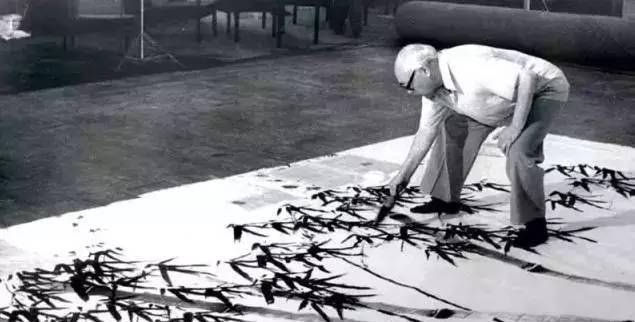
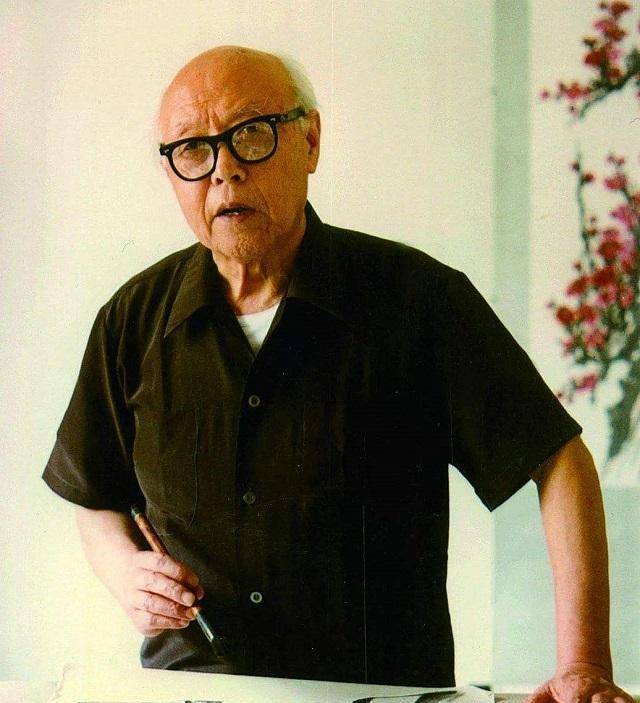
Even as a professor, Li Kuchan's life remained one of constant motion. He divided his time between the Beijing University Diligent-Work-Frugal-Study Association and labor at a mechanical parts factory. Young and full of fire, he met his straitened circumstances with unflagging spirit. The arc from impoverished drifter to respected young professor had been steep and grueling, but the hardship had tempered him into something rare: a man of absolute conviction. This relentless tenacity became one of the most compelling qualities he possessed — and it would be tested again and again in the years that followed.
A Life of Emotional Storms
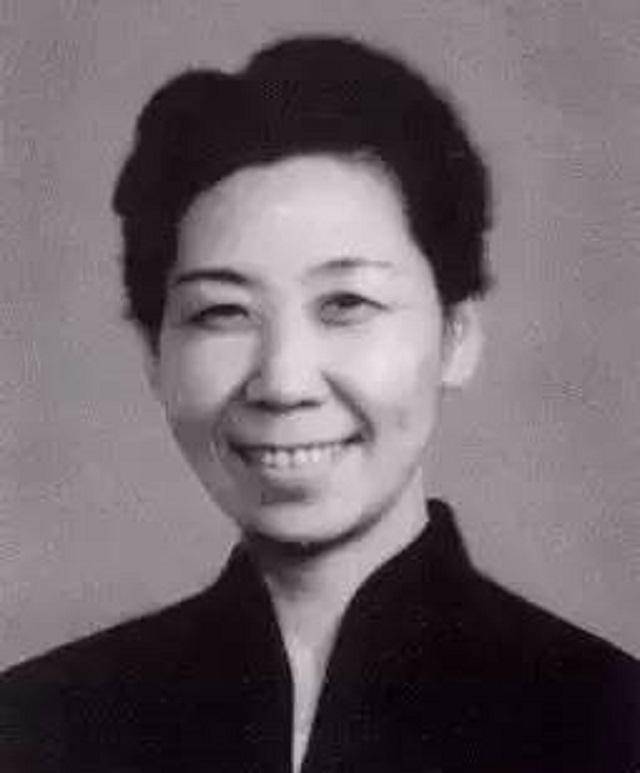
Li Kuchan's personal life brought its own measure of grief. In 1921 he was matched by his family with a woman surnamed Xiao, six years his senior, with whom he had no emotional connection. She bore him a daughter in 1927, then died of illness shortly after. He later found his second partner, Ling Meilin — a fellow student from a cultured family, refined in manner and disposition. Their shared passion for painting brought them together, and for a time the relationship blossomed. But in the sixth year of their marriage, Ling Meilin left him publicly, marrying another man. The blow was compounded by the death of their young son, Li Jing. The combined weight of romantic betrayal and the loss of a child was immense — yet Li Kuchan's devotion to painting never wavered.
The Eagle That Refused to Fall
Hardship did not break Li Kuchan. It made him. He channeled suffering into his work, and above all subjects he returned again and again to the eagle — its fierce resolve and sovereign pride a mirror of his own courage in the face of adversity. He continued to refine his craft through the turbulence of political movements and even periods of imprisonment, emerging from each trial unvanquished. Today, his paintings Pine and Eagle and Midsummer hang in the Great Hall of the People, testament to an achievement that the nation honors.
A Legacy Written in Bitterness and Beauty
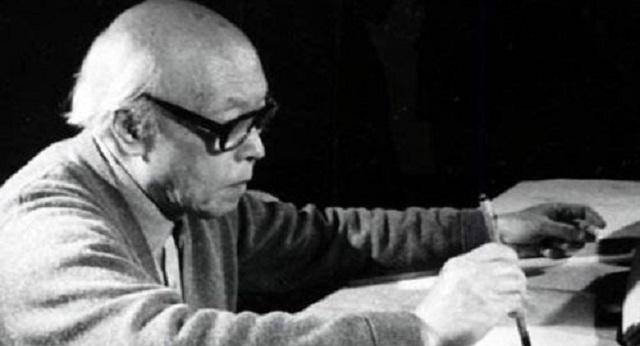
Qi Baishi once said of his prized disciple: "The foolish man sees one thing and retains nothing. Kuchan has learned from me and surpassed me — he sees one and makes two." High praise from the highest source.
Li Kuchan's life is a testament to a profound truth: there are no dead ends in life — suffering is only a rung on the ladder of growth. If one holds faith at the center, even the worst storms eventually yield to light. Li Kuchan faced the bitterness of existence with the serenity of Zen, cultivating his character through each ordeal, never releasing his grip on conviction, and ultimately ascending to a pinnacle of artistic glory. The tides of life are fierce, but those who hold their course — who greet each challenge with courage and steadfastness — discover at last the full breadth and splendor of what a life can be.