Why Acupressure Matters Today
In a world increasingly drawn to natural, drug-free therapies, acupressure massage stands out as one of TCM's most practical gifts. Using nothing but your hands, you can relieve pain, regulate organ function, and prevent illness. This ancient technique, refined over millennia, puts the power of healing directly into your own hands.
The Science Behind the Practice
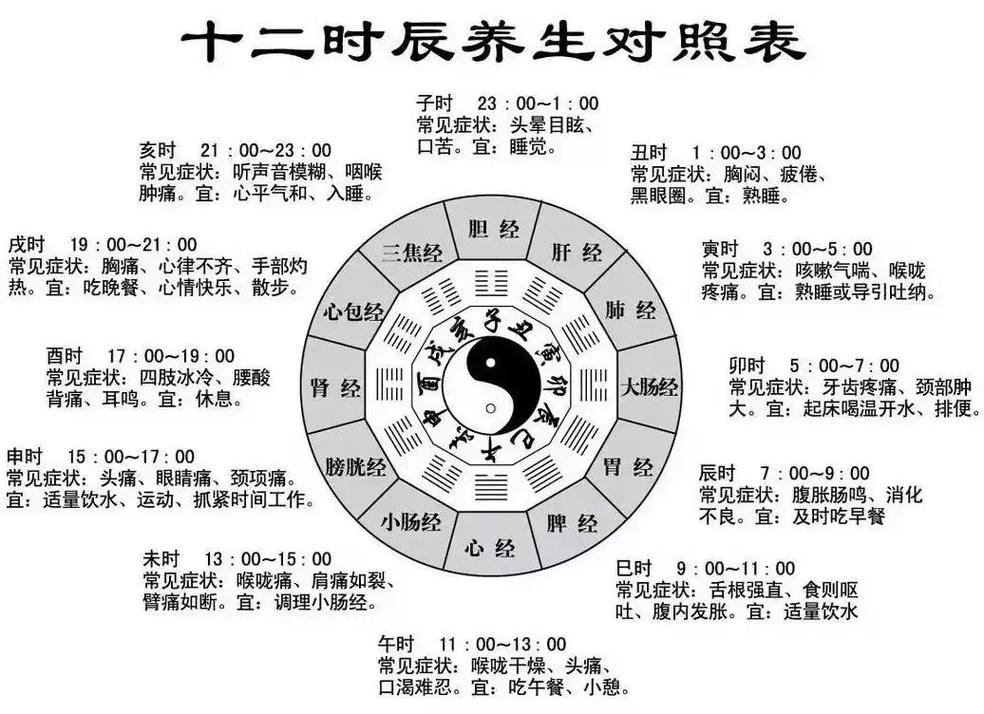
Acupressure is built on TCM's meridian theory. Your body contains an intricate network of channels connecting internal organs to the surface, and acupoints along these channels act as switches. By stimulating the right switch, you can open blocked pathways, direct qi and blood where needed, and restore internal harmony. For instance, pressing Hegu eases headaches by clearing the large intestine meridian; massaging Zusanli improves digestion through the stomach meridian; and activating Yongquan draws fire downward to calm the mind for sleep.
Eight Essential Techniques
Pressing (An Fa)
Use fingertip or palm to apply steady downward pressure. Excellent for releasing deep muscle tension. Apply gradually from light to deeper pressure, holding for several seconds before releasing.
Rubbing (Mo Fa)
Use palm or fingers to create friction across the skin surface. Best for relaxing tense areas like the chest during anxiety. This gentle technique warms the local area and disperses stagnation.
Pushing (Tui Fa)
Use both hands to push forward along a meridian pathway. Ideal for thicker muscle areas like the thighs, promoting qi and blood circulation along the channel.
Grasping (Na Fa)
Pinch and lift the skin and underlying muscle. Excellent for shoulder and neck tension. Grasp and release rhythmically — this is the signature technique behind the phrase "tui na" massage.
Kneading (Rou Fa)
Use fingers or palm to make circular kneading motions. Reduces swelling and releases tendon tightness. Particularly effective around joints like the knees.
Pinching (Nie Fa)
Gently pinch superficial tissue between thumb and fingers. Best for extremities — pinching around the ankles improves circulation in the lower limbs.
Tapping (Kou Ji Fa)
Use cupped palm or fingertips to rhythmically tap the body surface. Often used as a finishing technique to settle qi after deeper massage. Tapping along the spine helps qi descend.
Vibrating (Chan Fa)
Use fingers to create rapid, fine vibrations on a specific acupoint. This penetrates deeply to stimulate the meridian and enhance therapeutic effect at the targeted point.
Essential Guidelines
Accurate point location is crucial — even a finger-width off can reduce effectiveness. Use a pressure that elicits a comfortable soreness or slight numbness, never sharp pain. Each point needs only about two minutes of attention once daily. Avoid acupressure during acute illness (heart attack, stroke), if you have bleeding disorders, or on areas with wounds or recent fractures.
Making It a Daily Practice
The greatest strength of acupressure is its accessibility. No equipment, no prescriptions, no appointments needed. Start with just one point — perhaps Hegu or Zusanli — for a few minutes each day. As you become familiar with your body's responses, gradually expand your repertoire. This is health management at its most direct and personal: your hands, your body, your wellbeing.