


 Posted an update: 2026-4-1 14:29:10 107
A thousand grasses, a thousand styles. Regional styles are the diverse voices of straw weaving, where each province uses its own local materials to create a unique visual language of the fields.
Regional Styles: Shandong, Sichuan, and Beyond—A Tapestry of China"s Golden Provinces
China is a vast landscape with many different climates and cultures, and this diversity is reflected in the art of straw weaving. From the sturdy, structural works of the north to the delicate, lace-like patterns of the south, each region has its own "specialty" grass and its own secret techniques. To explore regional styles is to take a journey through the provinces, where the humble straw becomes a symbol of local identity and pride.
1. Shandong: The King of Wheat Straw and the Bold Brim
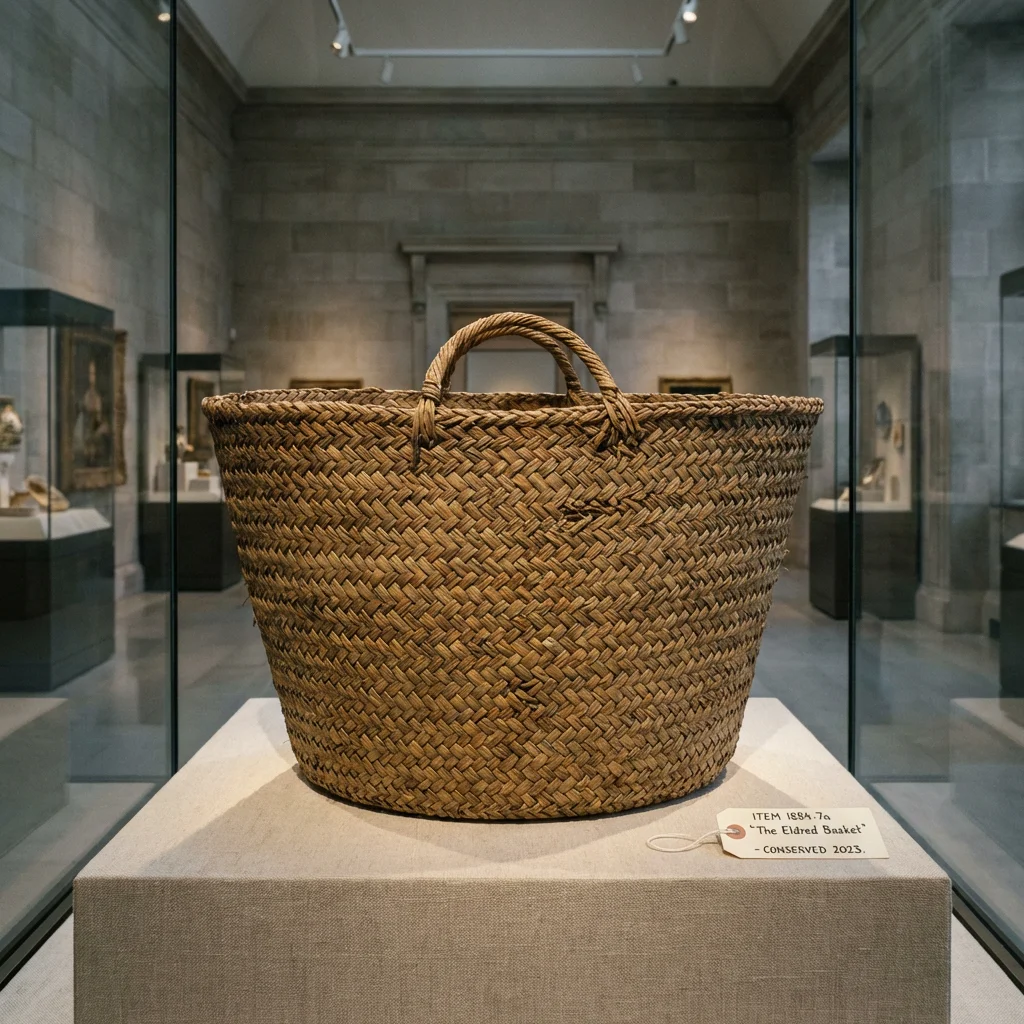
**Shandong Province** is the spiritual home of wheat straw weaving in the north. The wheat grown here has exceptionally long and strong stalks, allowing artisans to create large, bold items like the iconic broad-brimmed hats and heavy-duty storage baskets. Shandong style is known for its structural strength and its use of "spiral-sewing" techniques. These items are built to survive the harsh sun and the heavy work of the northern plains, a direct reflection of the resilient spirit of the local people.
2. Sichuan: The Grace of the Rice Stalk and the Soft Mat
In the misty basins of **Sichuan**, rice is the dominant crop, and rice straw is the medium of choice. Sichuan style is characterized by its softness and its intricate, decorative weaving. Here, you will find the most beautiful "flower mats" (Hua-xi), where different colored straws are woven together to create complex patterns of birds and flowers. The weaving is often lighter and more breathable than northern styles, designed to provide comfort in the humid heat of the south.
3. Guangdong: The Delicate Fan and the Masterpiece of the Thread
The artisans of **Guangdong** are the masters of the miniature. Using the finest wheat straw split into threads no thicker than a human hair, they create fans and decorative items that look like delicate lace. This style, known as "Filigree Straw," is incredibly labor-intensive, with a single fan often taking weeks to complete. It is the most "scholarly" of the straw arts, where the material is pushed to its absolute physical limits to achieve a level of elegance that rivals the finest silk.
4. Hebei and Beyond: Corn Husk Innovation and Modern Form
**Hebei Province** has become famous for its innovative use of corn husks. By using the wide, ribbon-like leaves of the corn plant, artisans create bags and interior items with a unique, textured aesthetic that has become popular in modern design. Other regions, like **Hunan** and **Guizhou**, have their own traditions involving wild grasses and rushes, creating a rich tapestry of techniques that continue to evolve as artisans share their knowledge across the country.
5. FAQ: Exploring and Collecting Regional Straw Art
Which region has the most durable straw items?
The wheat straw items from **Shandong** and **Hebei** are generally the most durable due to the strength of the northern stalks and the tight sewing techniques. However, for items that need to be flexible and soft, the rice straw work of **Sichuan** is unsurpassed.
How can I identify where a straw item comes from?
Look at the material and the technique. A conical hat with steep sides is likely from the south (rice regions), while a flat, wide-brimmed hat is from the north (wheat regions). Delicate, lace-like weaving is a hallmark of Guangdong, while bold, structural braids often point to Shandong or Hebei.
Are these regional styles still distinct today?
While modern transportation and communication have allowed artisans to learn from each other, regional styles remain strong because they are tied to local materials and local needs. Many artisans are proud of their regional heritage and work hard to maintain the specific "visual language" of their province.
6. Conclusion
The regional styles of straw weaving are the voice of the provinces. they show us that the same humble grass can tell a thousand different stories depending on where it grows and who weaves it. As we admire a Sichuan mat or a Shandong hat, we are connecting with the unique spirit of a specific place and a specific people. The grass is diverse, the hands are skilled, and the tradition is forever rich. Straw is the landscape, woven for the eye.
From the styles to the hands: Next, we explore the Secret of the Braid—The Tool and the Technique of Straw!