


 Posted an update: 2026-4-1 14:16:56 94
In the workshops of Zhejiang, the grass turns into silk. Zhejiang bamboo weaving is the most refined and delicate form of the craft, where the width of a hair is the standard of beauty.
Zhejiang Bamboo Weaving: The "Fine Silk" of the Forest and the Extreme Precision of the East
Zhejiang Province, especially the city of Shengzhou, is the home of China"s most sophisticated bamboo weaving. Known for its ultra-fine threads and complex, multi-layered patterns, Zhejiang weaving is often compared to silk embroidery. In the hands of a Zhejiang master, a simple bamboo pole is transformed into delicate birds, flowers, and historical scenes that seem to defy the laws of material. It is the art of the "micro-world," a masterpiece of patience and vision.
1. The "Silk" Thread: Splitting to the Extreme
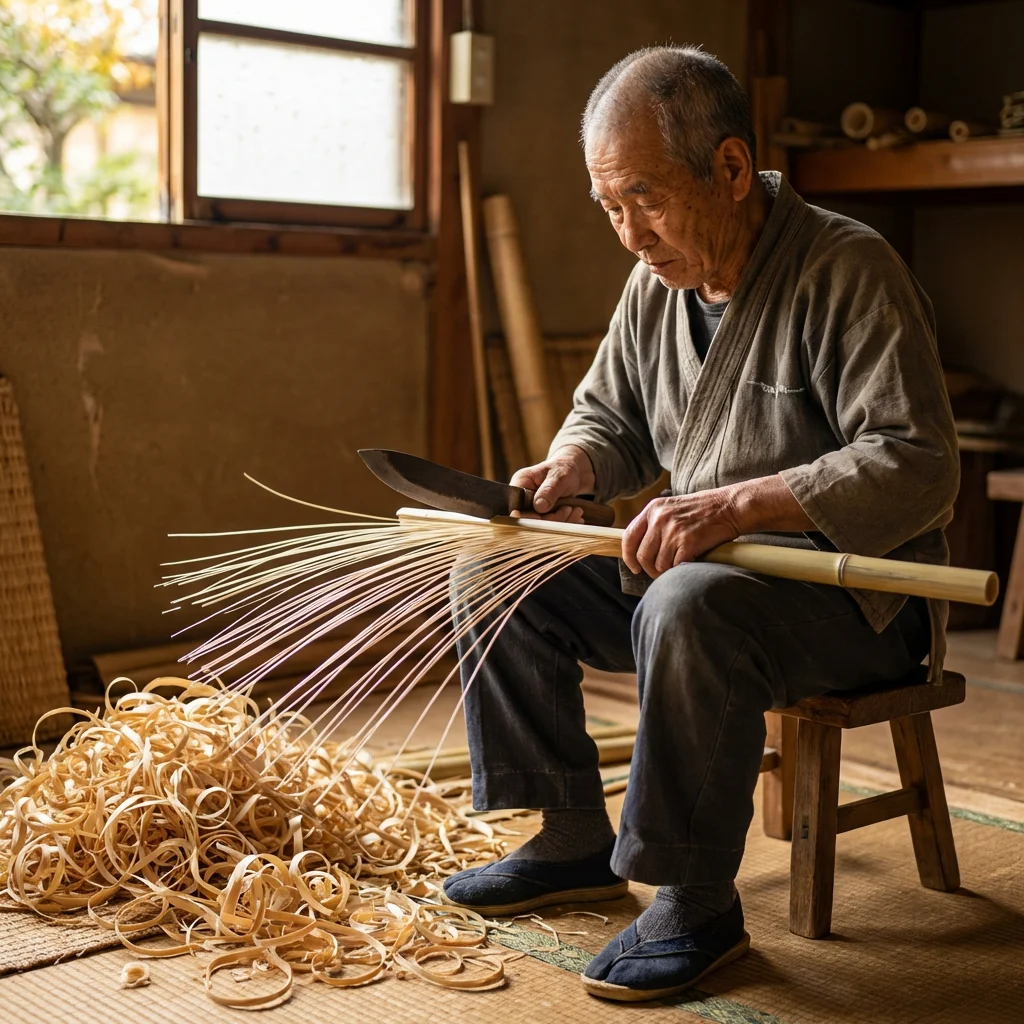
The hallmark of Zhejiang weaving is the incredible **Thinness** of the bamboo threads. A single centimeter of weaving can contain dozens of individual threads. To achieve this, the artisan must split the bamboo into its innermost, most flexible layers, then strip them until they are literally as fine as a strand of silk. This thread is so delicate that it must be woven under constant moisture to prevent it from snapping, a process that requires the absolute focus of the weaver.
2. Multi-layered Weaving: The Depth of the Grass
Zhejiang masters are famous for their **Three-dimensional Weaving** (Li-ti-bian). They don"t just weave flat patterns; they build up layers of different weaves to create depth and texture. A bamboo bird might have woven feathers that overlap just like the real thing, or a bamboo basket might feature a "net within a net" design. This level of complexity turns the bamboo into a structural sculpture, where every thread is part of a larger, living form.
3. Figurative Art: Birds and Flowers in Bamboo
Unlike the functional baskets of other regions, Zhejiang weaving is often purely artistic. The carvers specialize in representing the natural world. A single piece of weaving might show a pair of cranes standing among pine trees, or a blooming peony with dozens of individual petals—all made of bamboo. These pieces were historically prized by scholars and the imperial court for their incredible technical skill and their subtle, natural beauty.
4. The Shengzhou Tradition: A Heritage of Excellence
The city of Shengzhou has been a center for this art since the Ming Dynasty. The local "Shengzhou Bamboo Weaving" is a National Intangible Cultural Heritage. The masters here spend their entire lives refining their "finger-memory," learning how to manipulate the tiny threads without looking. This deep cultural roots ensure that the quality of Zhejiang weaving remains the highest in the world, with pieces being collected by major museums globally.
5. FAQ: Understanding Zhejiang Bamboo Mastery
How long does it take to make one piece?
For a high-end figurative piece, it can take a master several months of continuous work. The splitting process alone takes weeks, as every thread must be checked for uniformity and strength before the weaving can begin.
Can I buy these pieces for my home?
Yes! While the museum-quality pieces are very expensive, many Zhejiang workshops produce smaller, more affordable items like tea caddies or jewelry boxes that use the same fine-weaving techniques. They are the perfect way to bring a touch of "forest silk" into your life.
Is the color of the bamboo natural?
Mostly, yes! Zhejiang weaving values the natural creamy-white and honey colors of the bamboo. Sometimes, different varieties of bamboo or "smoked" bamboo are used to create subtle color contrasts within the weave, all without using chemical dyes.
6. Conclusion
Zhejiang bamboo weaving is a triumph of the human hand over the limits of nature. It shows us that with enough patience and skill, a mountain grass can be made as fine and beautiful as the most precious silk. As we look at the delicate threads of a Shengzhou crane, we are looking at the soul of the Zhejiang forest and the eternal craftsmanship of China. It is a masterpiece of the micro-world.
From the silk to the stone: Next, we explore the Intricate Porcelain Inlay—Sichuan Bamboo Weaving!