


 Posted an update: 2026-4-2 11:09:20 72
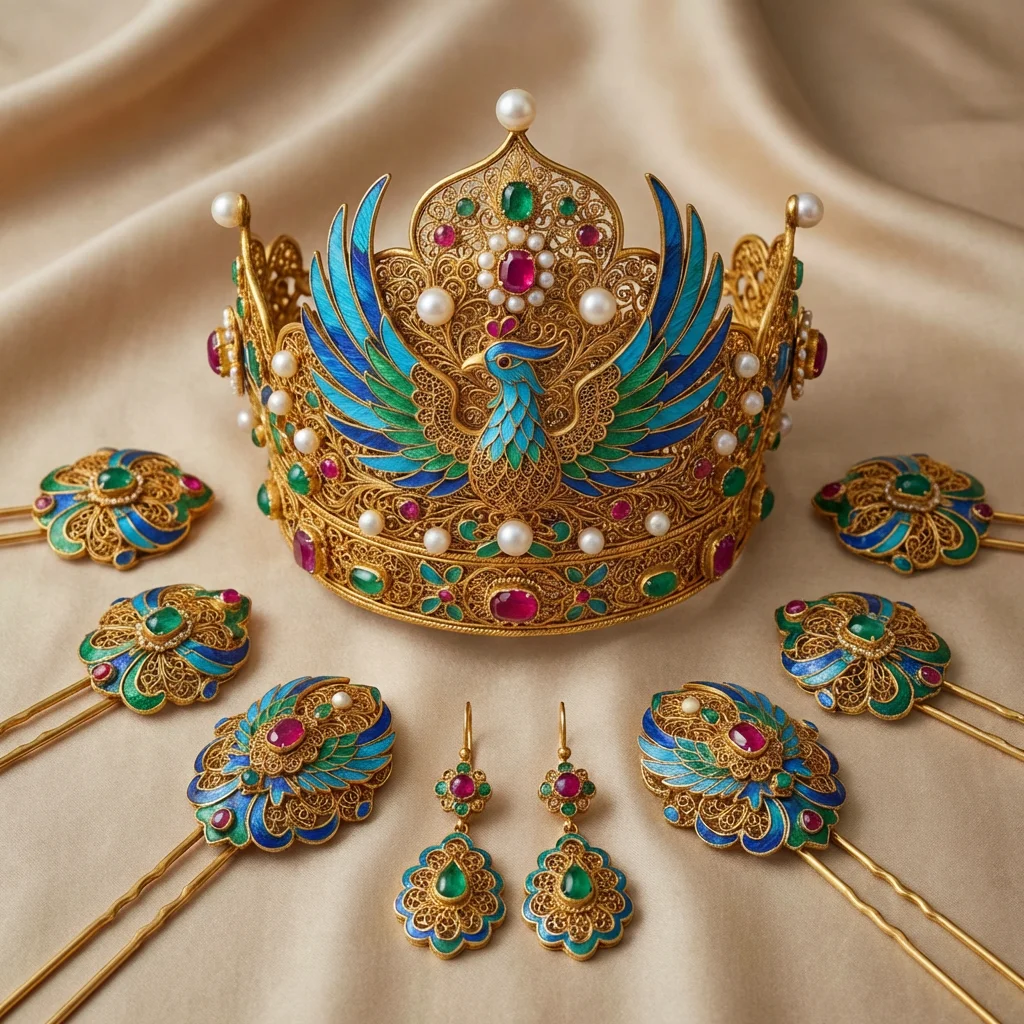
In the final assembly of a filigree piece, the artisan must act as an architect, joining thousands of microscopic elements into a single, structurally sound masterpiece. This is where the technical skills of the jeweler meet the soul of the artist.
Table of Contents
1. The Alchemy of Solder Jointing
Jointing is the process of fusing the individual filigree components together. The artisan uses a specialized silver-based solder that has a lower melting point than the gold or silver wires. By carefully managing the flame of a blowpipe, they fuse the pieces together without melting the delicate wirework. This requires a level of heat control that can only be achieved through years of experience.
2. The Final Polish and Luster
After assembly, the piece is fire-blackened and covered in solder residue. It must be pickled in acid and then painstakingly hand-polished using specialized wood-tips and natural abrasives. This final stage is what gives filigree its characteristic "warm" luster, a glow that seems to come from deep within the golden mesh.
3. When the Gold Truly Breathes
A successful filigree piece has a sense of lightness and transparency. The gold mesh should allow light to pass through, creating a play of shadows and highlights that changes as the object moves. This "breathable" quality is the highest aesthetic goal of the filigree master, transforming heavy metal into a substance that seems as light as air.
4. Frequently Asked Questions
Q: Is the solder visible in the final piece?
A: In a high-quality piece, the solder is invisible. The artisan uses just enough to create a strong bond, ensuring that the joints are seamless and do not distract from the beauty of the wirework.
Q: Can a broken filigree piece be repaired?
A: Yes, but it is incredibly difficult. It requires re-soldering individual wires that are thinner than a hair, often without damaging the surrounding gemstones or pearls. This should only be attempted by a master restorer.