


 Posted an update: 2026-4-1 14:13:18 121
In a world of ink and paper, the stone is the final word. Jade seals (Yin-zhang) are the ultimate symbol of identity and authority in Chinese culture, the "signature" of kings and scholars alike.
Jade Seals: The Ultimate Symbol of Authority, Identity, and the Cultural Weight of the Imperial Yin-xi
For thousands of years, the seal has been the most important personal object in China. While seals can be made of many materials, jade is the most prestigious. The imperial seal, known as the "Yin-xi," was the physical proof of the emperor"s divine right to rule. For the scholar, a jade seal was a symbol of his integrity and his place in the world of letters. A jade seal is not just a tool; it is a masterpiece of sculpture and calligraphy, a concentrated form of power and art.
1. The Imperial Seal: The Mandate of Heaven
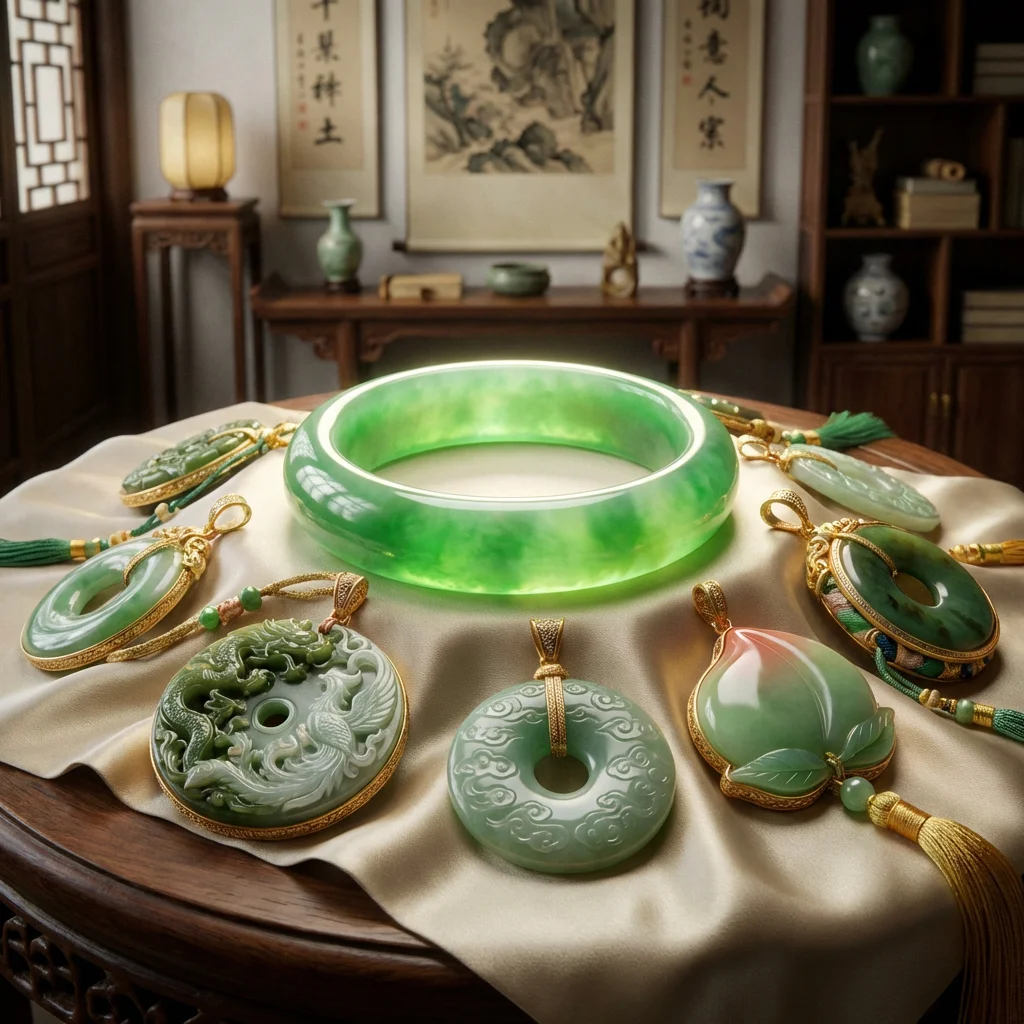
The most famous seal in history is the He-shi-bi Imperial Seal, carved from a legendary piece of jade during the Qin Dynasty. This seal was passed from one dynasty to the next as the "Heirloom Seal of the Realm." Whoever held the seal held the "Mandate of Heaven." While the original seal has been lost to time, the tradition of the massive jade imperial seal continued until the end of the Qing Dynasty, representing the absolute authority of the Son of Heaven.
2. The "Niu": The Mythical Beasts on Top
The handle of the seal, known as the **Niu**, is a masterpiece of miniature sculpture. For imperial seals, the Niu was always a fierce, coiled dragon. For scholars and officials, the Niu could be a lion, a tortoise, a camel, or even a simple cloud pattern. The style of the Niu was strictly regulated by social rank, making the seal a physical map of the empire"s hierarchy. Carving the Niu required the artisan to combine power and detail in a very small space.
3. Seal Script: The Art of the Ancient Word
The words on the base of the seal are carved in Zhuanshu (Seal Script)—the ancient, stylized form of Chinese writing. This script is prized for its balanced, symmetrical beauty and its historical weight. The carver must be a master of both calligraphy and stone-cutting, as the characters are carved in "reverse" so they appear correctly when stamped. Each seal is a unique work of art, a person"s name turned into an eternal, symbolic image.
4. Cinnabar Red: The Color of Authority
A jade seal is always used with Yin-ni (Seal Paste) made from red cinnabar and oil. This bright, eternal red provides the perfect contrast to the white or green jade of the seal. The act of stamping the seal—pressing the heavy stone onto the paper—is a moment of finality and truth. In traditional paintings and calligraphy, the red seal marks of the artist and the collectors are an essential part of the composition, adding layers of history to the work.
5. FAQ: Understanding Jade Seals
How do I choose a jade seal for myself?
Choose a stone that you feel a connection with—Hetian jade for a soft, traditional feel, or Shoushan stone for vibrant color. The carving on the top (the Niu) should reflect your personality or your aspirations. Most importantly, the calligraphy on the base should be done by a master who understands the balance of the Seal Script.
Can I use my seal for official documents?
In many parts of East Asia, a personal seal (Hanko or Dojang) is still used for legal and bank documents. However, for most people today, the jade seal is a cultural and artistic object used for stamping personal books, artwork, or letters.
How do I clean my jade seal?
After each use, gently wipe the base of the seal with a soft cloth to remove the excess red paste. This prevents the paste from hardening and clogging the fine lines of the calligraphy. Store the seal in its own padded box to protect the delicate carving on the top.
6. Conclusion
The jade seal is the weight of history in your hand. It is a reminder that our words and our identity have value and permanence. As we stamp a red seal on a piece of paper, we are connecting with a tradition of authority and integrity that has stood for thousands of years. The seal is the final word, carved in the stone of heaven.
From the seal to the self: Next, we explore the Art of Personal Adornment—Jade Jewelry!