


 Posted an update: 2026-4-2 11:02:44 35
The market for Yixing Zisha teapots is filled with forgeries and low-quality imitations. Authenticating a genuine purple clay teapot requires a combination of sensory experience—sight, touch, sound, and smell—and an understanding of how real Zisha behaves under heat.
Table of Contents
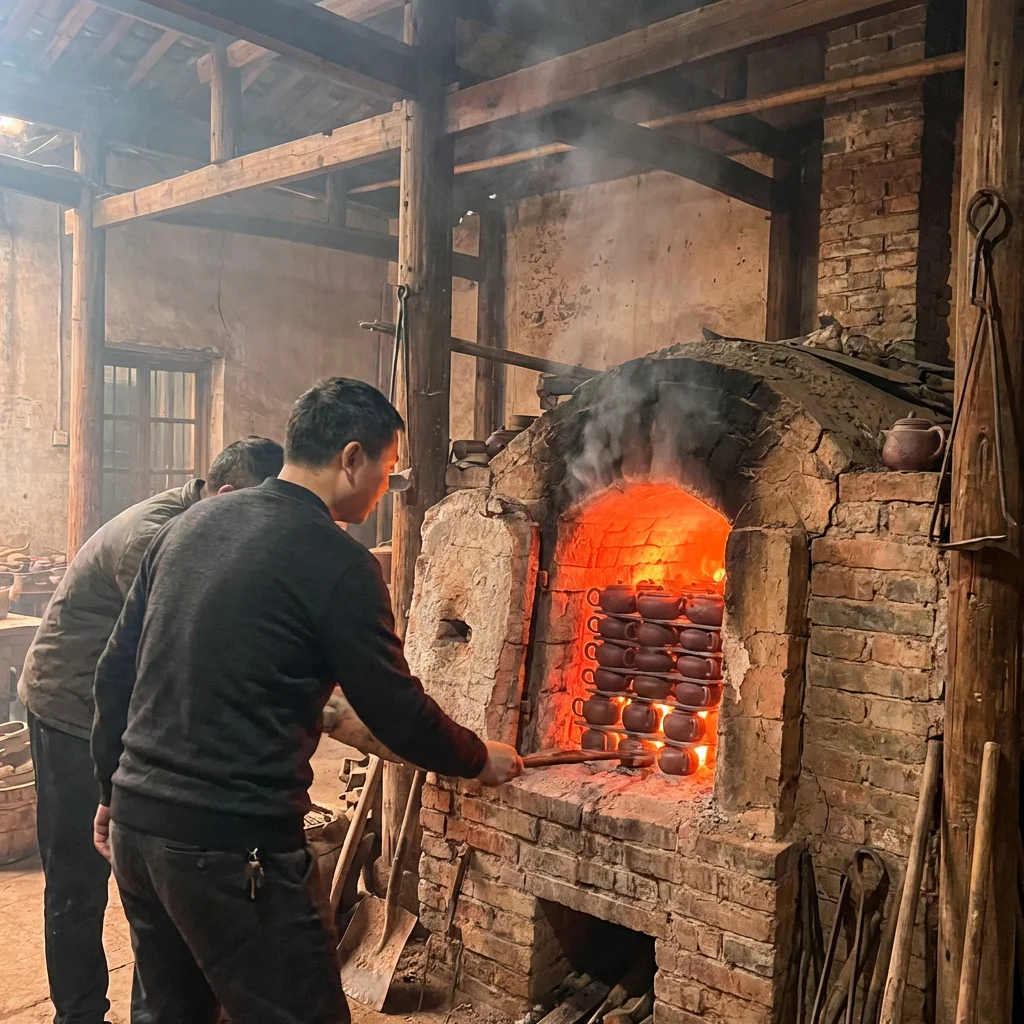
1. The Texture and Luster of Real Clay
Genuine Zisha clay has a granular, sandy texture (hence the name "Purple Sand"). If you look closely with a magnifying glass, you should see tiny particles of mica and quartz. The luster should be "internal"—a soft, dull glow that seems to come from within the clay. Avoid pots that have a greasy, artificial shine, which usually indicates the presence of chemical waxes or paints.
2. Listening to the Clay
When you gently tap the lid of a Zisha teapot against its body, it should produce a clear, crisp sound—not metallic, but resonant like a piece of high-quality wood or a stone. If the sound is dull or thud-like, the clay may be of low quality or the pot may have been fired at an incorrect temperature.
3. The "Earthy" Smell Test
When you pour boiling water into a new, dry Zisha pot, it should release a very faint, pleasant "earthy" smell, similar to rain falling on dry earth. If the pot smells like chemicals, perfume, or paint, it has likely been treated with artificial dyes or waxes and should be avoided immediately.
4. Frequently Asked Questions
Q: Does a high price guarantee authenticity?
A: Unfortunately, no. Forgers often price their work highly to trick collectors. Always buy from reputable dealers and look for signs of hand-craftsmanship, like tool marks inside the pot.
Q: What is "Chemical Clay"?
A: It refers to common pottery clay that has been artificially colored with iron or manganese oxides to mimic Zisha. These pots lack the double-pore structure and can sometimes leach chemicals into your tea.