


 Posted an update: 2026-4-1 14:05:45 108
In the high valleys of Yunnan, the wood speaks the language of the mountains. Jianchuan wood carving is the bold, vibrant art of the Bai people, where nature"s patterns are turned into a celebrate of life.
Jianchuan Wood Carving: The Bold Floral Patterns and the Ancient Crafts of the Bai People
Located in the Dali region of Yunnan Province, Jianchuan is known as the "Hometown of Wood Carvers." For over 1,000 years, the Bai people of Jianchuan have been famous for their skills in building temples and decorating homes across southwestern China. Their style is unique—bold, robust, and full of natural life. Unlike the delicate relief of the east, Jianchuan carving is famous for its "Floral Openwork" and its ability to capture the raw energy of the Yunnan wilderness.
1. The Floral Openwork: Nature in Three Dimensions
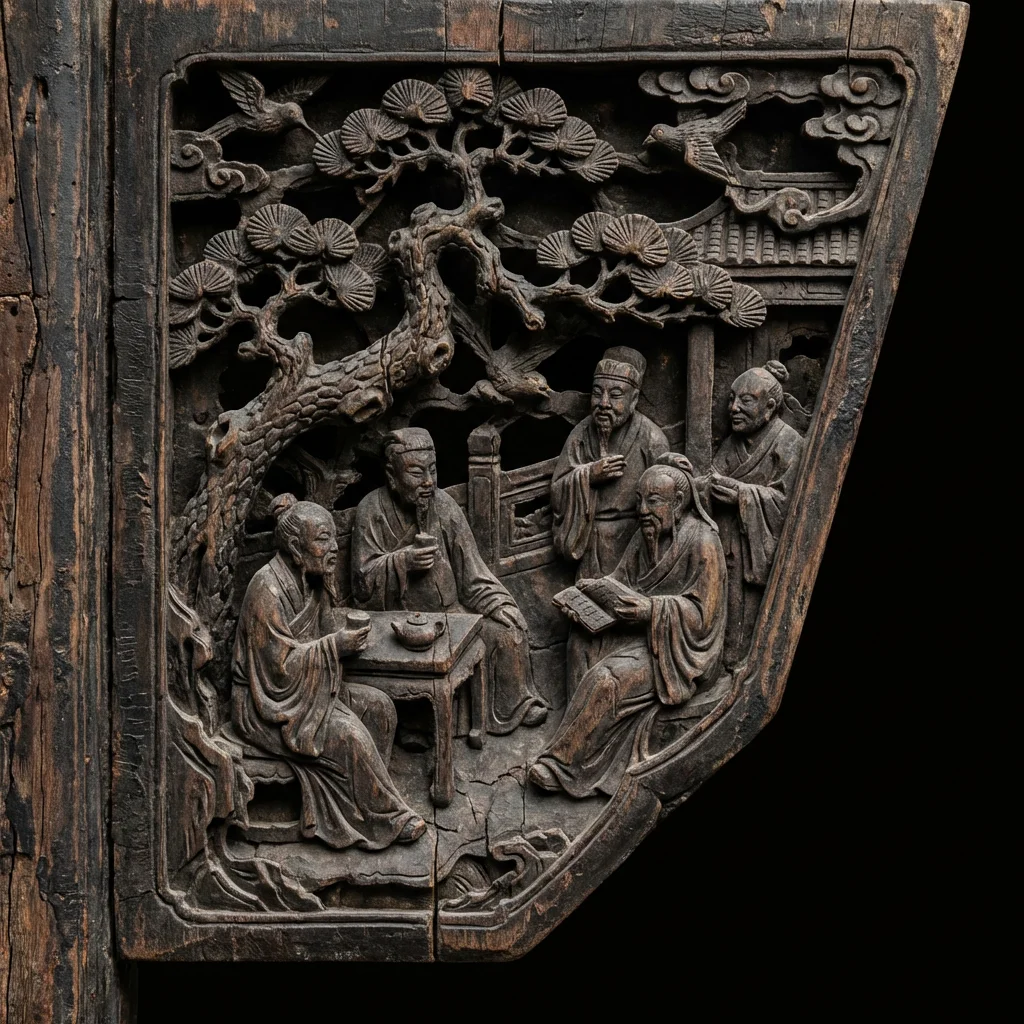
The hallmark of Jianchuan carving is its **Openwork Relief** (Lou-kong-diao), especially its floral motifs. Peonies, camellias, and lotus flowers are carved with such depth and movement that they seem to be growing out of the wood. The style is less concerned with realistic detail and more with the "Spirit" (Qi) of the plant. These floral panels are used on doors, furniture, and altar pieces, bringing a sense of eternal springtime to the homes of the Bai people.
2. The Bai Architecture: Temple Builders of the Southwest
Jianchuan carvers were the master builders for the entire Dali region. Their skills were used to create the magnificent temples and ancestral halls of the Bai people, which are famous for their elaborate bracket systems and carved eaves. The Jianchuan style is robust enough to withstand the high mountain climate but detailed enough to show the deep religious and cultural pride of the community. To this day, "Jianchuan Masters" are in high demand for restoration work throughout Yunnan.
3. Jianchuan Lattice: Dividing Light and Shadow
One of the most beautiful elements of a Jianchuan home is the **Lattice Window** (Ge-shanzhe). These large panels feature complex geometric patterns combined with central floral medallions. As the bright Yunnan sun passes through the lattice, it creates a moving tapestry of light and shadow on the interior floors. This interaction between the carving and the natural light is a key feature of the Bai aesthetic, creating a home that is both open to nature and protected by art.
4. Local Materials: The Red Pine and the Camphor
Jianchuan carvers use the high-quality timber from the surrounding mountain forests. **Red Pine** (Hong-song) is favored for its durability and its beautiful reddish-brown color, while **Camphor wood** is used for interior work because of its pleasant scent and insect-repellent properties. The natural, unpainted finish of Jianchuan work allows the rich, warm colors of these mountain woods to shine, reflecting the honest and rugged spirit of the Bai culture.
5. FAQ: Appreciating Jianchuan Wood Carving
How is Jianchuan carving different from Dongyang?
Jianchuan carving is more robust and focuses on bold, openwork floral patterns, while Dongyang is more delicate and focused on shallow, multi-layered narrative relief. Jianchuan work feels more "organic" and connected to the mountain wilderness, while Dongyang feels more "literary" and connected to the Jiangnan scholar culture.
Can I visit the wood carving village in Jianchuan?
Yes! Shaxi and Jianchuan town are wonderful places to see the craft in action. Many households have their own workshops, and you can watch the masters at work in the courtyards of their traditional homes.
What is the best way to buy Jianchuan work?
Buying from the local cooperatives in Jianchuan ensures that you are getting authentic work and that your support goes directly to the Bai community. Look for pieces that show the signature deep openwork and the warm, natural finish of the Yunnan timber.
6. Conclusion
Jianchuan wood carving is the art of the mountain spirit. It is a reminder that beauty can be both strong and delicate, both ancient and full of life. As we admire the bold peonies on a Jianchuan temple door, we are connecting with the soul of Yunnan and the eternal craftsmanship of the Bai people. In the timber of Jianchuan, the forest is forever in bloom.
From the carving to the connection: Next, we explore the Secret of Architecture without Nails—The Tenon-and-Mortise!