


 Posted an update: 2026-4-1 14:05:31 84
In the black-and-white houses of Anhui, the wood carries the scent of history and the spirit of the scholar. Hui-style wood carving is the "literary" art of the mountains, where the depth of the forest meets the wisdom of the sage.
Hui-style Wood Carving: The Scholar"s Elegance and the Architectural Wisdom of Anhui
Huizhou (southern Anhui) is the home of one of China"s most respected architectural traditions. Alongside stone and brick, wood carving is the "Third Treasure" of the Anhui home. Known for its elegant, understated style and its deep connection to the values of the "Scholarly Merchants" (Ru-shang), Hui-style wood carving is a masterpiece of intellectual and artistic balance. It is the art of the private home, turning every beam and window into a lesson in morality and aesthetics.
1. The Decorative Beam: Supporting the Family Honor
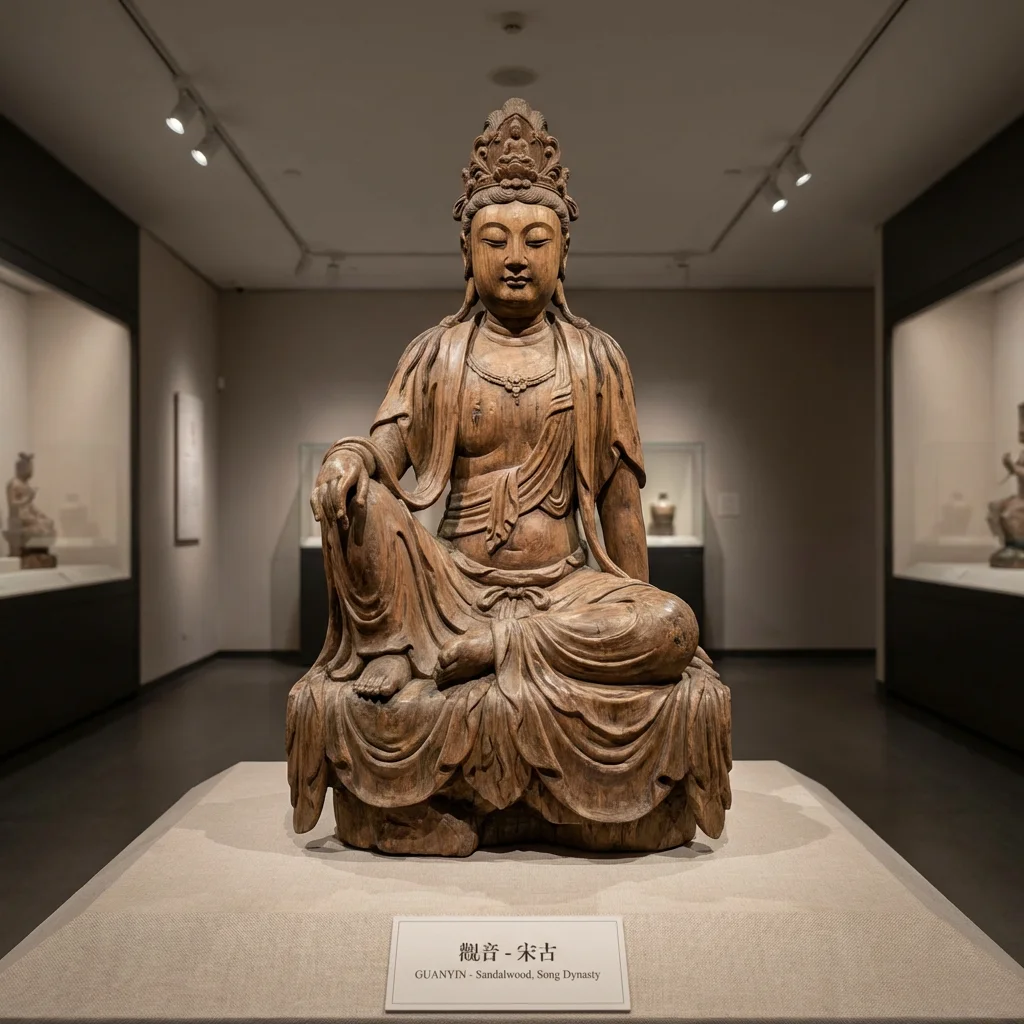
In a traditional Anhui house, the main beam of the central hall is the focus of the family"s honor. These beams are often carved with scenes of official success, such as "A Hundred Officials Paying Homage" or "Returning to the Village in Glory." The carving is deep and rhythmic, designed to be seen from below and to remind all who enter of the family"s status and their commitment to education and civil service.
2. Filial Piety in Wood: Storytelling and Education
Hui-style wood carving is a form of Moral Education. The window panels and door frames are often carved with the "Twenty-four Filial Exemplars" or scenes from classic literature. For the children of the house, these carvings were their first textbooks, teaching them the values of the family and the state through the beautiful figures and landscapes surrounding them. Every piece of wood was a story that helped to build the character of the next generation.
3. Natural Beauty: The Use of Camphor and Pine
Unlike the gilt gold of the south, Hui-style wood carving values the natural color and texture of the wood. **Camphor wood** (Zhang-mu) is highly prized for its fragrant scent and its natural ability to repel insects, making it perfect for the humid mountains of Anhui. The dark, aged patina of the pine and camphor wood provides a perfect contrast to the white-washed walls of the house, creating the "ink-wash" aesthetic that is the signature of Anhui.
4. Architectural Harmony: Framing the Courtyard
The wood carving in an Anhui house is designed to interact with the architecture. The intricate window lattices frame the view of the central courtyard (Tian-jing), while the carved brackets under the eaves provide a decorative transition between the heavy roof and the supporting walls. This integration creates a sense of "Wholeness" (He-yi), where the art and the building are inseparable, both working together to create a peaceful and scholarly environment.
5. FAQ: Appreciating Anhui Wood Carvings
Why are Anhui carvings often dark?
Over centuries, the natural oils in the camphor and pine wood react with the air and the smoke from the kitchen fires to create a deep, dark patina. This "Ancient Color" (Gu-se) is highly prized by collectors as a sign of the house"s history and its endurance through time.
How can I tell Anhui carving from Dongyang carving?
Anhui carving is generally more robust and focused on architectural elements, while Dongyang is more delicate and focused on decorative panels. Anhui work also often features more literary and moral themes related to the scholarly merchant culture of the region.
Can I buy fragments of ancient Anhui wood carving?
Many fragments from destroyed or renovated houses are sold as decorative art today. When buying, look for pieces that still have their sharp edges and clear tool marks, and ensure they have been treated for insects and moisture to ensure they last in your own home.
6. Conclusion
Hui-style wood carving is a monument to the power of the family and the beauty of the intellect. It shows us that a home can be more than just a place to live; it can be a gallery of wisdom and a sanctuary of art. As we look at the scholarly scenes on an Anhui window frame, we are connecting with a tradition that values the mind and the heart as much as the hand. In the timber of Anhui, history is forever wise.
From the scholar to the ethnic tradition: Next, we explore the Bold Floral Patterns of Jianchuan Wood Carving!