


 Posted an update: 2026-4-1 14:07:44 72
A chair is more than a place to sit; it is a monument to posture and grace. Furniture carving in the Ming and Qing styles represents the absolute peak of the Chinese wood carver"s art.
Furniture Carving: The Beauty of Ming and Qing Styles and the Elegance of Rosewood
Traditional Chinese furniture is world-famous for its perfect proportions, its incredible joinery, and its subtle, sophisticated carving. While the Ming style is known for its "minimalist" elegance and focus on the natural beauty of the wood, the Qing style is more exuberant and richly decorated. Together, they represent a high point of global furniture design, where the carver"s touch is used to enhance the natural dignity of the material. This is the art of the home, refined by centuries of scholarly and imperial taste.
1. Ming Style: The Elegance of the Line
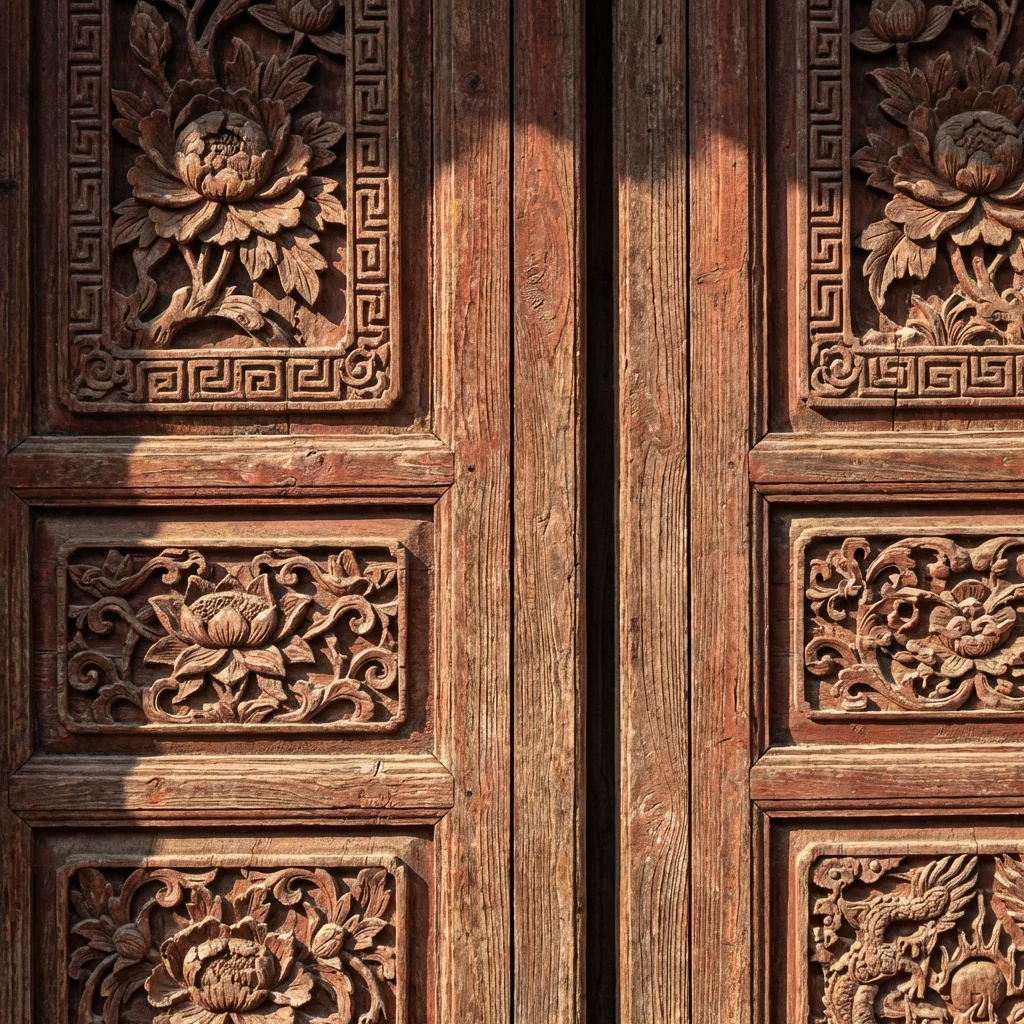
Ming Dynasty furniture (1368–1644) is the "purest" form of Chinese woodworking. The focus is on the Line—the elegant curve of a chair leg or the perfect proportion of a tabletop. The carving is used sparingly, often confined to a small apron under the seat or a subtle cloud-pattern on the feet. This restraint allows the beautiful grain of the **Huanghuali** (Yellow flowering pear) wood to take center stage, creating a look that is both modern and ancient in its simplicity.
2. Qing Style: The Glory of Detail
As the Qing Dynasty (1644–1912) progressed, furniture became more grand and more heavily decorated. Influenced by the wealth of the empire and its contact with European art, Qing furniture is characterized by its deep, intricate relief work. Every surface of a chair or cabinet might be covered in carvings of dragons, bats, or complex geometric patterns. This style used the dark, dense **Zitan** (Red Sandalwood) to create furniture that felt solid, powerful, and imperial.
3. The Wood of Kings: Zitan and Huanghuali
The quality of Chinese furniture begins with the wood. **Zitan** is so dense that it sinks in water and has a deep, purple-black color. **Huanghuali** is famous for its warm, golden-brown tones and its "ghost-face" grain patterns. These woods were so valuable that they were under imperial control for much of history. Because they are so hard, they allow the carver to achieve an incredible level of precision, with details as fine as a strand of hair that will remain sharp for centuries.
4. Carving the Details: Cloud-heads and Dragon-claws
Chinese furniture is full of subtle symbolic details. The "Cloud-head" (Ru-yi) motif on a leg represents good fortune, while the "Dragon-claw" holding a ball signifies authority. The **Hu-ti** (Tiger-paw) foot provides stability, and the **Luo-han** (Arhat) bed provides spiritual peace. These carvings are not just decoration; they are a language of blessings and status that was understood by everyone who entered the house.
5. FAQ: Collecting Classical Chinese Furniture
How can I tell if a piece is real rosewood?
Genuine rosewood (Hong-mu) is very heavy and has a distinct, pleasant scent. If you look at the end-grain, it should be dense and show natural growth rings. Be careful of "stained" woods that are painted to look like rosewood; these will lack the depth and the natural "glow" of the real material.
Do I need to worry about humidity?
Yes! Like all wood, high-quality furniture can crack if it becomes too dry. In modern homes with central heating, using a humidifier is essential to keep the moisture levels consistent. This will prevent the Sun-mao joints from loosening and the wood from splitting over time.
Can I sit on ancient chairs?
If the piece is in good condition and the joints are tight, yes! Traditional Chinese furniture was built to be used and actually becomes more beautiful with the "patina" that comes from handling and use. However, for museum-quality pieces, it is better to treat them as art to be admired.
6. Conclusion
Furniture carving is the bridge between the art of the museum and the life of the home. It shows us that even the most functional objects can be masterpieces of spirit and skill. As we sit in a Ming-style chair, we are connecting with the posture and the elegance of the scholars who came before us. In the rosewood of the chair, the soul of China is at rest.
From the home to the temple: Next, we explore the Art of Carving the Divine—Religious Wood Sculpture!