


 Posted an update: 2026-4-1 14:02:05 96
In the black-and-white villages of Huizhou, the stone tells a story of elegance and family honor. Hui-style stone relief is the "lace" of architecture, turning the gray stones of Anhui into a delicate tapestry of life.
Hui-style Stone Relief: The Architectural Elegance and Cultural Depth of Anhui Province
Huizhou (modern-day southern Anhui) is famous for its unique architecture—the "Three Carvings" of wood, stone, and brick. Among these, stone relief carving is the most durable and prestigious. Used primarily on gateways, pillars, and window frames, Hui-style stone carving is known for its incredible detail, complex storytelling, and its ability to turn a functional house into a monument of cultural pride. It is the signature of the wealthy Huizhou merchants and their deep respect for education and tradition.
1. The Memorial Arch: A Monument in Stone
The most iconic use of stone relief in Anhui is the Paifang (Memorial Arch). These massive stone gateways were built to honor great achievements, filial piety, or the loyalty of widows. The entire surface of a Hui-style Paifang is covered in dense, multi-layered relief carvings. From a distance, they look like delicate wooden structures, but as you approach, you realize the incredible effort required to carve such intricate patterns into hard granite and limestone.
2. Storytelling in Relief: From Opera to Mythology
Hui-style stone carving is a literary art. A single window frame might contain a whole scene from a famous opera or a classic novel like "Romance of the Three Kingdoms." The carvers were able to create a sense of depth and movement, with figures appearing to stand in front of one another in a three-dimensional landscape. These carvings served as a "silent textbook" for the children of the house, teaching them the values and stories of their culture through the walls of their own home.
3. The Merchant Spirit: Wealth and Wisdom
The Huizhou merchants were some of the most successful in Chinese history. They believed that wealth should be used to support education and the arts. Their homes were built with the finest stone carvings to demonstrate their status as "Scholarly Merchants" (Ru-shang). The motifs often reflect this—using symbols like the "Four Treasures of the Study" (brush, ink, paper, inkstone) and the "Three Friends of Winter" (pine, bamboo, plum) to represent resilience and moral integrity.
4. Local Materials: The Gray Stone of the Huangshan Mountains
Hui-style carving uses the local gray limestone and granite from the nearby Huangshan mountains. This stone is hard and weather-resistant, which is why so many Huizhou villages have remained intact for over 500 years. The cool gray color of the stone, combined with the white-washed walls and black-tiled roofs, creates the iconic "Ink-wash Painting" aesthetic that makes Anhui architecture so poetic and timeless.
5. FAQ: Appreciating Hui-style Stone Carvings
Are these villages still inhabited?
Yes! Villages like Xidi and Hongcun are UNESCO World Heritage sites and are still home to local residents. Walking through these villages is like walking through a living gallery of stone carving history.
How can I protect these carvings?
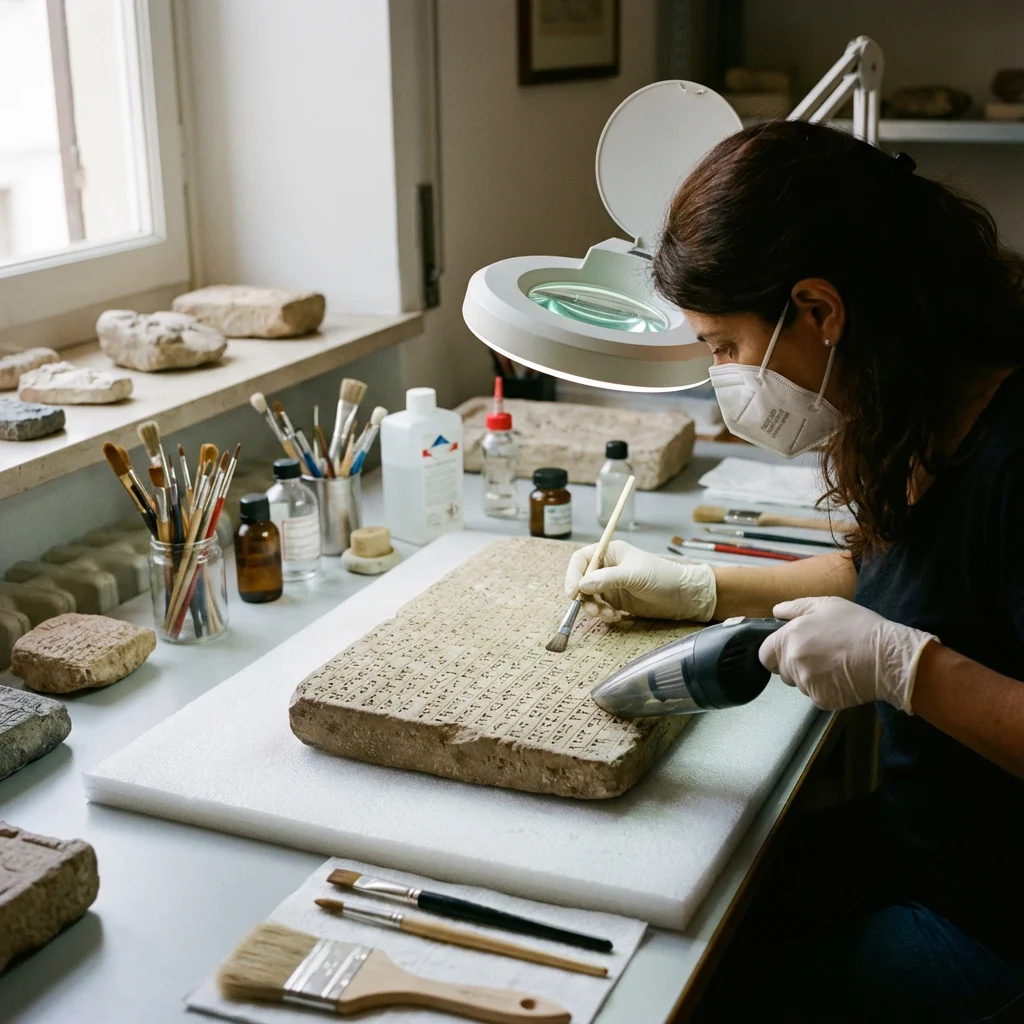
The greatest threat is moisture and acid rain. Modern preservation efforts involve cleaning the stone with gentle biological agents and applying protective coatings that allow the stone to "breathe" while repelling water.
Can I buy Hui-style stone carvings today?
Modern artisans in Anhui still produce beautiful stone reliefs using traditional tools. These pieces are popular for high-end garden design and traditional-style renovations, helping to keep the ancient Huizhou aesthetic alive.
6. Conclusion
Hui-style stone relief is the soul of the Anhui home. It is a reminder that a house is more than just a shelter; it is a canvas for the values and dreams of a family. As we admire the delicate stone "lace" on a Huizhou gatehouse, we are connecting with the wisdom and elegance of a culture that turned a merchant"s success into an eternal art. In the gray stones of Anhui, history is forever in bloom.
From the large to the small: Next, we explore the Miniature Masterpieces of Fujian—Shoushan Stone Carving!